

 Čeština
 Deutsch
 Română
Buy wood pellets online
Why Choose EN Plus A1 Certification
Economic and Environmental Benefits of Wood Pellet Heating
As you explore sustainable heating solutions, wood pellet heating emerges as a compelling option that marries economic efficiency with environmental responsibility. This innovative approach to home heating not only reduces your carbon footprint but also contributes to significant cost savings over time. By choosing wood pellets, you support a renewable energy source that fosters sustainable forest management and decreases reliance on fossil fuels.
Understanding Wood Pellet Heating Systems
The Basics of Wood Pellet Heating
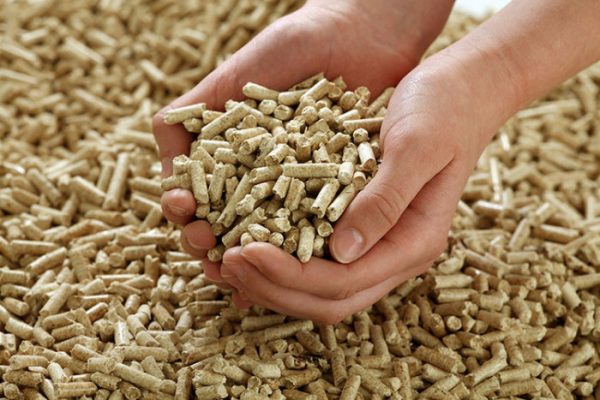
Wood pellet heating systems are an innovative solution for eco-conscious homeowners seeking both efficiency and sustainability. At the heart of these systems are small, compressed wood pellets composed primarily of recycled sawdust and wood waste. These pellets not only burn cleanly but also provide a renewable energy source that significantly reduces reliance on fossil fuels as emphasized in various studies.
How They Work
The mechanism of a wood pellet stove is impressively efficient, utilizing an automated feeding system. Pellets are stored in a hopper and are systematically fed into the combustion chamber via an auger. The stove’s electric ignition element lights the pellets, and a controlled air supply facilitates complete combustion. Heat generated is then distributed throughout the home using a convection fan, ensuring consistent warmth according to recent analyses.
Efficiency and Convenience
Wood pellet systems boast superior efficiency compared to traditional heating methods. With combustion rates nearing 100%, these systems minimize waste and maximize heat output. They can heat large areas effectively while consuming minimal electricity. Moreover, modern pellet stoves offer the convenience of programmable thermostats and smart controls, enabling homeowners to maintain a comfortable temperature with minimal intervention as documented by industry sources.
Installation and Maintenance
When considering wood pellet heating for your home, proper installation is crucial. It involves careful consideration of factors like electrical connectivity, venting, and safety clearances, often necessitating professional assistance to adhere to safety and efficiency standards. Routine maintenance, such as cleaning and inspections, ensures optimal performance and longevity of the system, providing a long-term, reliable heating solution as illustrated in expert recommendations. Through these systems, you can enjoy the diverse benefits of wood pellet heating while contributing positively to the environment.
Economic Benefits of Wood Pellet Heating
Cost-Effectiveness
The economic benefits of wood pellet heating are significant, with savings beginning right from installation. Installing a wood pellet system is often more affordable than traditional heating systems, as it typically does not require costly infrastructure like chimneys or complex flues. The operating costs of wood pellet heating systems are also considerably lower, thanks to the lower price of pellet fuel compared to oil, propane, and electricity. Notably, homeowners using wood pellets as their primary heating source can enjoy substantial reductions in their annual heating bills. According to Energy.gov, the cost of pellet fuel is generally less per unit of output than the equivalent costs for other heating fuels, providing attractive financial savings.
Stability and Predictability
Wood pellet prices tend to be more stable and predictable than fossil fuel prices, which are often subject to significant market fluctuations. This stability in pricing allows for more accurate budgeting and financial planning for homeowners. Unlike oil and gas, which are influenced by geopolitical and economic events, wood pellets are produced locally from renewable resources, reducing vulnerability to global market volatilities. As stated by the U.S. Stove, wood pellets offer a more consistent pricing model, enhancing their economic appeal.
Local Economic Support
Switching to wood pellet heating also boosts local economies by supporting the domestic production and distribution of pellet fuel. This industry not only provides jobs in manufacturing and supply chains but also reduces reliance on imported fuels, keeping more money within the local community. The Maine Energy Systems highlights how this shift sustains local industries, encouraging energy independence and enhancing economic resilience.
By choosing wood pellet heating, homeowners not only benefit from immediate savings on heating costs but also contribute to long-term economic stability and growth within their communities.
Environmental Impact and Benefits of Wood Pellet Heating
Renewable and Sustainable Fuel Source
Wood pellets act as a renewable energy source, promising significant environmental benefits. Derived primarily from recycled wood waste, these pellets offer a sustainable alternative to fossil fuels. As a CO2-neutral heating option, burning wood pellets releases a similar amount of carbon dioxide as the trees absorbed while growing, maintaining a balanced carbon footprint. Moreover, this natural recycling process not only reduces landfill waste but also harnesses wood byproducts for energy, supporting the cycle of resource efficiency. By relying on locally sourced biomass, transitioning to wood pellet heating can significantly reduce a region’s carbon emissions and reliance on imported fuel sources as highlighted here.
Efficiency and Reduced Emissions
One of the most compelling benefits of wood pellet heating is its high energy efficiency and minimal pollutant release. Advanced combustion systems in pellet burners convert nearly all the fuel into heat with minimal waste, achieving efficiency rates up to 90% compared to traditional fireplaces and wood-burning stoves as mentioned in this study. This efficient transfer of energy not only reduces overall heating costs but also limits emissions significantly. Unlike oil or gas heating systems, wood pellet burners produce far fewer particulate emissions, thereby improving indoor and outdoor air quality and supporting clean-air initiatives.
Contributing to Cleaner Ecosystems
Switching to wood pellet heating directly contributes towards cleaner ecosystems and the reduction of air pollutants. Since wood pellets produce low CO2 emissions and contain no sulfur, their combustion does not result in acid rain or other harmful environmental effects as previously discussed. By decreasing reliance on harmful fossil fuels and using wood waste more effectively, this alternative heating option plays a vital role in conserving ecosystems and promoting ecological balance, making an impactful stride towards a sustainable environmental future.
Comparing Wood Pellet Heating to Traditional Heating Methods
Environmental Impact and Sustainability
Wood pellet heating presents a compelling alternative to traditional heating methods in terms of environmental sustainability. Traditional energy sources, like oil and coal, contribute significantly to carbon emissions. In contrast, wood pellets are a carbon-neutral resource. Made from compressed wood fibers and waste products, their combustion releases only the carbon dioxide absorbed during the trees’ lifecycle, meaning their overall impact on atmospheric carbon levels is negligible. This factor alone makes wood pellets a preferred choice for environmentally conscious consumers seeking eco-friendly solutions.
Cost-Effectiveness and Economic Benefits
Switching to wood pellet heating proves advantageous not only for the environment but also for economically savvy homeowners. The use of wood pellets can lead to substantial savings, often reducing annual heating costs by up to $700 when compared to oil or propane heating methods as highlighted in multiple studies. Moreover, the price of wood pellets remains more stable than fossil fuels, shielding consumers from the fluctuations commonly experienced in the oil and gas markets. This predictable pricing ensures budgeting with confidence and contributes to long-term financial benefits.
Efficiency and Ease of Use
Efficiency is another area where wood pellet heating excels. Compared to traditional wood stoves, pellet systems achieve nearly complete combustion, resulting in fewer emissions and higher heat output. Advanced features like automatic feeding and thermostatic controls provide consistent temperatures and reduce the need for manual adjustments, making pellet stoves a modern and convenient heating choice. Additionally, the aftercare is minimal, with low ash and creosote production, allowing for hassle-free maintenance as detailed by experts.
When considering an upgrade to your heating system, wood pellet heating offers a robust combination of environmental responsibility, economic savings, and operational efficiency, standing out as a superior alternative to traditional fossil fuel-based methods.
Tips for Optimizing Your Wood Pellet Heating System
Efficient Temperature Management
Optimizing your wood pellet heating system begins with effective temperature management. Utilizing a programmable thermostat will allow you to automate temperature adjustments, ensuring that excess energy is not wasted when heating is unnecessary—such as during nighttime or when the house is unoccupied. By maintaining a comfortable yet efficient temperature setting, you can significantly reduce your pellet consumption while still enjoying cozy warmth throughout your home. Adjusting the heating schedule to reflect your daily routines is a simple but impactful step towards enhancing both economic and environmental benefits of wood pellet heating.
Regular Maintenance and Cleaning
The efficiency of your pellet heating system is highly dependent on regular maintenance. Cleaning the pellet tank, burner, and heat distribution channels consistently prevents clogs, ensuring optimal combustion and reducing unnecessary pellet use. Regular checks and cleaning prevent the buildup of ash and debris, which can hinder efficient airflow and heating performance. Adopting a thorough maintenance routine not only prolongs system longevity but also enhances its performance, further amplifying the benefits of wood pellet heating.
Enhance Home Insulation
To maximize the heating potential of your pellet system, enhancing your home’s insulation is crucial. Ensuring proper thermal insulation reduces heat loss; sealing cracks around windows and doors prevents drafts, helping the heating system operate more efficiently. Investing in double-glazed windows or insulating shutters can bolster the home’s thermal retention, allowing the heating system to perform effectively without unreasonable demand on resources. This minimizes energy expenditure and maximizes the environmental benefit of your pellet stove.
Intelligent Use of System Features
Leverage the full capabilities of your pellet stove by smartly utilizing its scheduling and management functions. Opt for zone heating strategies, heating only rooms in use, and ensuring doors are closed to retain heat. Using fans or an appropriately designed duct system helps distribute warmth evenly across your living space, reducing the demand on your heating system and enhancing its overall efficiency. These intelligent adjustments ensure that you extract the maximum economic and environmental advantages from your wood pellet heating system.
Conclusion
In embracing wood pellet heating, you are not only choosing a cost-effective solution but also contributing to a more sustainable future. The economic benefits manifest in reduced heating costs and the potential for local job creation, while the environmental advantages include lower carbon emissions and decreased reliance on fossil fuels. As you consider your heating options, wood pellet heating offers a compelling balance of efficiency and ecological responsibility. By making this choice, you join a growing community committed to innovative energy solutions that respect both your budget and the planet, paving the way for a healthier, more sustainable tomorrow.