

 Čeština
 Deutsch
 Română
Buy firewood online
Dried firewood for sale
How to Store Firewood Properly for Optimal Burning
Learn how to store firewood properly to maximize efficiency and heat. Expert storage techniques, moisture control tips, and mistakes to avoid for perfect fires.
Transform your heating experience with premium quality firewood from Wood-Břežany S.R.0. We specialize in dried firewood, wood briquettes, and wood pellets across Europe. Our expertly sourced products burn efficiently, produce maximum heat, and require minimal storage hassle. Whether you buy dried firewood online or choose our EN Plus A1 wood pellets, quality and performance are guaranteed. Order today for reliable, sustainable heating solutions delivered to your door.
How to Store Firewood Properly for Efficient Burning and Maximum Heat
Proper firewood storage makes the difference between a roaring, efficient fire and a smoky, frustrating experience. When you understand how to store firewood properly, you protect your investment, maximize heat output, and avoid common mistakes that quietly ruin even the best quality wood. At Wood-Břežany S.R.0, we help customers across Europe achieve optimal results with their heating fuel through expert guidance and premium products.
The secret to successful wood burning starts months before you strike a match. Storage conditions directly impact moisture content, which according to Cornell Cooperative Extension, should be below 20% for efficient combustion. When wood exceeds this threshold, you’re essentially wasting energy and money while creating unnecessary smoke and creosote buildup in your chimney.
Why Proper Firewood Storage Matters for Your Home
Storage isn’t just about keeping logs tidy. Poor storage practices transform perfectly seasoned wood into useless, damp logs that refuse to burn. Wet firewood produces excess smoke and causes dangerous creosote buildup that threatens your safety and heating efficiency.
When firewood moisture levels rise above optimal ranges, several problems emerge simultaneously. Your heating appliance works harder to evaporate water instead of generating warmth. The fire produces thick smoke filled with particulates that damage air quality. Creosote accumulates faster inside chimneys, creating serious fire hazards.
Beyond performance issues, improper storage attracts pests. Termites, rodents, and various insects find poorly stacked wood irresistible. These unwelcome visitors don’t limit themselves to your woodpile; they often migrate into your home, causing structural damage and health concerns.
Best Methods to Store Firewood for Maximum Drying
Keep Your Wood Off the Ground
The foundation of proper firewood storage begins with elevation. Cornell Cooperative Extension emphasizes that pallets make an excellent first layer for keeping wood away from ground moisture. Direct contact with soil causes rapid moisture absorption, undoing months of seasoning work within weeks.
Alternative elevation methods include cinder blocks, 2×4 lumber, or purpose-built firewood racks. The goal remains consistent: create at least 3-4 inches of clearance between your logs and the ground. This simple step prevents rot, discourages pest infestation, and maintains the low moisture content you need for clean burning.
Ensure Adequate Air Circulation Around Your Stack
Airflow serves as nature’s dehumidifier for your woodpile. According to fire safety experts, wood burns best when moisture content stays under 20%, and proper ventilation makes this possible. Stack your logs with deliberate spacing, allowing breezes to move freely through the pile.
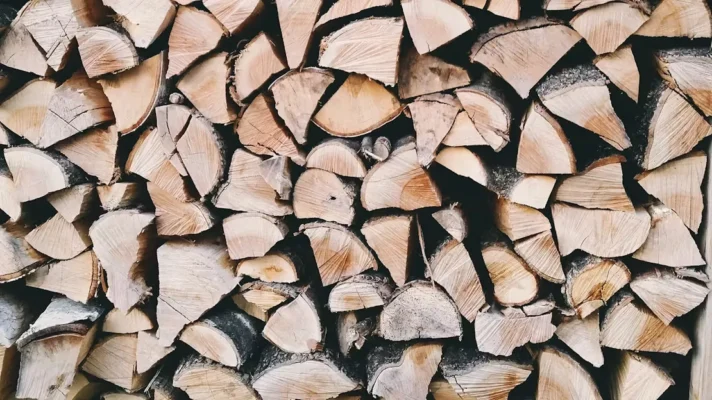
The American stacking method works exceptionally well for most homeowners. Alternate vertical and horizontal layers while maintaining gaps between individual pieces. This technique balances stability with airflow, creating a self-supporting structure that seasons effectively.
For larger quantities, consider the Holz Hausen method. This circular stacking pattern promotes exceptional air movement through the center while creating a visually striking woodpile. The design allows moisture to escape uniformly from all sides, reducing seasoning time compared to traditional rectangular stacks.
Protect from Rain While Maintaining Breathability
Weather protection requires careful balance. You must shield wood from precipitation without trapping moisture inside your stack. Cover only the top portion of your pile using waterproof materials, leaving all sides exposed to moving air.
Many homeowners make the critical error of wrapping entire stacks in tarps or plastic sheeting. This creates a moisture prison where condensation accumulates, fungi flourish, and your investment slowly transforms into compost. According to storage experts, covering green wood with tarps is one of the most common firewood mistakes.
Purpose-built log stores or three-sided sheds offer superior protection. These structures provide overhead coverage while maintaining open sides for ventilation. When selecting a location, choose spots that receive sunlight and wind exposure to accelerate the drying process naturally.
Where to Store Firewood Around Your Property
Optimal Distance from Your Home
Safety considerations dictate that your main woodpile should sit at least 20-30 feet from your house. This distance reduces fire hazards and prevents pest invasions while remaining reasonably convenient for regular access. The buffer zone protects your home’s structure from moisture damage and discourages insects from establishing nearby colonies.
Many people maintain two storage areas: a primary seasoning location away from the house and a smaller, covered area near their entrance for immediate use. This strategy combines long-term storage benefits with daily convenience.
Indoor Storage: When and How
Bringing firewood indoors requires caution and restraint. Home safety experts recommend storing only enough wood indoors for a few fires, typically one to two days’ supply. Larger quantities increase fire risk and provide pest opportunities you’d rather avoid.
Before moving any wood inside, inspect each piece carefully. Shake off loose bark, check for insects, and confirm the logs feel dry to the touch. Use decorative baskets or metal holders that keep wood elevated from your floor while complementing your interior design. Position these storage containers away from direct heat sources to maintain safety standards.
For those requiring indoor storage solutions, our dried firewood online arrives ready for immediate use with verified moisture levels, minimizing pest concerns.
Understanding Firewood Moisture Content Requirements
| Wood Type | Ideal Moisture Content | Minimum Seasoning Time | Heat Output Rating |
|---|---|---|---|
| Oak | 15-20% | 12-24 months | Excellent |
| Beech | 15-20% | 12-18 months | Excellent |
| Pine | 15-20% | 6-12 months | Good |
| Mixed Hardwood | 15-20% | 12-18 months | Very Good |
| Kiln-Dried | 10-15% | Ready to burn | Excellent |
According to Fire Maestro UK, properly seasoned wood typically requires 12-24 months to reach recommended moisture levels under 20%. However, this timeline varies based on wood species, climate conditions, and storage methods. Hardwoods like oak and beech demand longer seasoning periods than softwoods like pine or poplar.
For those seeking immediate burning solutions, our EN Plus A1 wood pellets and kiln-dried options eliminate waiting time entirely, arriving ready for your heating needs.
How to Test Your Firewood’s Moisture Level
Visual inspection provides preliminary moisture assessment. Seasoned wood displays visible cracks (checks) on the ends, feels lighter than green wood, and produces a sharp, hollow sound when two pieces strike together. The bark often separates easily from properly dried logs.
For accurate measurement, invest in a digital moisture meter. These affordable devices (typically under $30) insert small probes into split wood surfaces, delivering instant moisture percentage readings. The ideal moisture content for firewood storage should be around 10 to 20%, with 15-20% being acceptable for most burning applications.
Test multiple pieces from different areas of your stack. Moisture levels vary within the same woodpile, particularly between outer and inner layers. Split a piece and test the freshly exposed interior surface for the most reliable reading.
Common Firewood Storage Mistakes That Ruin Your Wood
Stacking Directly on Soil
Ground contact leads to large amounts of moisture buildup that easily seeps into logs’ base layers. This fundamental error transforms perfectly dry wood back into wet, unusable fuel. The capillary action of wood fibers actively pulls ground moisture upward, reversing months of careful seasoning work.
Even briefly placing logs on grass or bare earth causes problems. Morning dew, rain puddles, and soil humidity all contribute to rehydration. The wood’s base layer becomes a moisture highway, compromising the entire stack over time.
Covering Too Completely or Tightly
Balance represents the key to successful covering strategies. Covering green wood with tarps ranks among the most common storage mistakes. Plastic coverings trap condensation, creating greenhouse conditions where fungi thrive and wood quality deteriorates rapidly.
If you must cover wood during rainfall, remove protective materials immediately after weather improves. Permanent covers should protect only the top 6-8 inches of your stack, allowing all sides to breathe freely.
Storing Too Close to Your House
Convenience tempts many homeowners to stack firewood against exterior walls or under eaves. This practice creates multiple hazards. Firewood stored against houses presents serious fire risks from sparks or wildfires while establishing pest highways directly into your living space.
The moisture trapped between wood and building surfaces damages your home’s exterior over time. Mildew grows, paint deteriorates, and wooden siding begins rotting from constant dampness. The 20-30 foot buffer zone mentioned earlier exists for excellent reasons that protect both your wood and your property.
Bringing Unse
asoned Wood Indoors
Moving green or partially seasoned wood inside your home invites disaster. Wood stored indoors can absorb interior humidity, leading to poor drying and inefficient burning. Indoor environments rarely provide the airflow necessary for proper seasoning, and you risk introducing destructive pests into your living space.
Wait until wood reaches proper moisture levels before any indoor storage. The warmth inside your home awakens dormant insects hiding within bark crevices, turning your cozy firewood supply into an unwanted terrarium.
Seasonal Firewood Storage Strategies
Spring brings abundant rainfall and rising humidity. Focus on protecting your stack’s top surface while maintaining side ventilation. Secure covers using bungee cords or weights that resist spring winds. Position stacks in sunny locations to counteract moisture from frequent showers.
Summer’s heat accelerates drying but requires monitoring. Rotate your stock regularly, using oldest wood first. Check for signs of excessive drying, which causes wood to burn too rapidly. Breathable covers shield against occasional summer storms without trapping heat.
Autumn represents inspection season. Check your logs for proper seasoning, looking for cracks and lighter weight compared to fresh wood. Prepare winter access routes and ensure adequate supply before ground freezes. Clear any debris around your stack that accumulated during summer.
Winter demands diligent snow and ice management. Clear accumulations from covers regularly to prevent water infiltration from melting precipitation. Elevated storage becomes even more critical as ground frost creates additional moisture challenges.
Choosing the Right Storage Structure
We recommend several proven storage solutions depending on your space and budget. Simple firewood racks made from metal or treated lumber provide affordable, effective elevation and support. These portable options work well for smaller quantities and seasonal adjustments.
Three-sided sheds represent the gold standard for larger supplies. These permanent structures combine weather protection with ventilation, preserving wood quality through multiple seasons. Cedar or pressure-treated lumber construction ensures longevity, while metal roofing sheds rain and snow effectively.
For those with limited space, vertical storage systems maximize ground efficiency. Wall-mounted racks or corner units utilize often-wasted areas while keeping wood accessible and properly aired.
Budget-conscious builders can construct DIY solutions using pallets, cinder blocks, and basic lumber. The investment pays dividends through improved wood quality and extended usability. At Wood-Břežany S.R.0, we believe proper storage infrastructure represents wise long-term planning for any wood-burning household.
Buy Premium Firewood and Wood Products Online
Quality storage begins with quality fuel. Our shop offers certified wood pellets, premium briquettes, and seasoned firewood that arrive ready for your storage system. Each product meets strict European quality standards, ensuring optimal moisture content from delivery day forward.
Whether you need beech firewood online, wood briquettes, or sustainable wood pellets, our inventory supports efficient heating across all climates. Browse our complete range at our English website, German products, or Romanian offerings.
For questions about proper firewood storage or product selection, contact our team directly. We provide personalized guidance based on your specific heating needs and storage capabilities.
Frequently Asked Questions About Storing Firewood
How long does firewood need to season before burning?
Seasoning time depends on wood species and storage conditions. According to Cornell Cooperative Extension, getting green wood below 20% moisture takes at least six months. Hardwoods like oak typically require 12-24 months, while softwoods like pine season in 6-12 months. Proper storage with good airflow and weather protection significantly accelerates this timeline. For immediate use, consider our kiln-dried firewood options that arrive ready to burn.
Can I store firewood in my garage or basement?
Garages work well for short-term storage of fully seasoned wood, providing weather protection while maintaining some ventilation. Basements typically lack adequate airflow and create fire safety concerns. Only store enough wood indoors for a few fires, keeping your main supply outdoors. Always inspect wood for insects before bringing it inside, and maintain distance from heat sources like furnaces or water heaters.
What’s the best way to stack firewood for drying?
The American method proves most effective for home use. Stack wood in alternating vertical and horizontal layers with gaps between pieces for airflow. Loosely stack wood no more than two layers deep initially for maximum air circulation. Use end caps or 2×4 supports to maintain stability. Always elevate your stack on pallets or similar materials to prevent ground moisture absorption.
Should I cover my firewood with a tarp year-round?
Cover only the top of your stack, never the sides. Full tarp coverage traps moisture and prevents necessary airflow, actually increasing moisture content rather than protecting your wood. Covering green wood with tarps represents one of the most common storage mistakes. Use waterproof covers for the top 6-8 inches while leaving all sides completely exposed for proper ventilation and continued seasoning.
How can I tell if my stored firewood has gotten too wet?
Use a moisture meter for accurate assessment. Visually inspect for dark discoloration, soft or crumbly wood, musty odors, or visible mold growth. Wet firewood produces more smoke and creates excessive creosote buildup. When struck together, wet logs produce a dull thud rather than the sharp, hollow sound of dry wood. If moisture readings exceed 20%, the wood needs additional seasoning time before use.
Key Takeaways for Successful Firewood Storage
- Elevate all firewood at least 3-4 inches off the ground using pallets, racks, or blocks
- Maintain 20-30 feet distance from your house for main storage areas
- Stack wood loosely with spaces between pieces to promote continuous airflow
- Cover only the top portion of stacks, leaving all sides exposed for ventilation
- Test moisture content regularly, aiming for 15-20% before burning
- Store wood in sunny, wind-exposed locations to accelerate natural drying
- Inspect regularly for pest activity, mold growth, or moisture problems
- Bring only 1-2 days’ supply indoors, keeping bulk storage outside
- Rotate stock by using oldest wood first to maintain quality
- Invest in proper storage infrastructure for long-term success
References
- U.S. Environmental Protection Agency. (2025). Build Firewood Storage. Retrieved from EPA BurnWise Program
- Cornell Cooperative Extension. Storing and Drying Firewood. Retrieved from Cornell Cooperative Extension
- ProCut Firewood. (2025). How to Store Firewood in All Seasons and Climates: A Guide. Retrieved from ProCut Firewood
- The Log Company. (2025). Firewood Moisture Content: The Essential 2025 Guide for Safe Burning. Retrieved from The Log Company
- The Woodhaven. (2024). Understanding the Ideal Moisture Content for Firewood Storage. Retrieved from The Woodhaven
- Keter US. (2025). How to Store Firewood Properly. Retrieved from Keter
- Utopia. (2022). 5 Firewood Storage Mistakes to Avoid. Retrieved from Utopia