

 Čeština
 Deutsch
 Română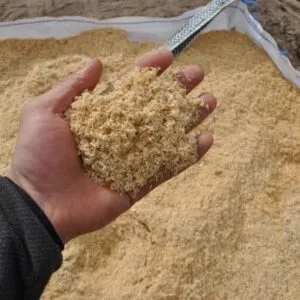
Buy sawdust online
Spruce sawdust for sale in bulk
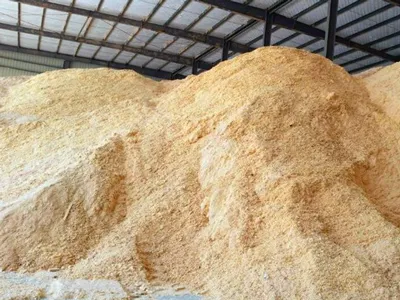
Our spruce sawdust is made exclusively from clean, non-chemically treated spruce wood from certified forests in the Czech Republic. It is ideal for animal bedding, composting, gardening, crafts, and industrial applications. Thanks to its low moisture content (below 12%) and fine, uniform structure, it ensures excellent absorption and easy handling. At Wood-Břežany s.r.o. You can buy spruce sawdust in various volumes - from small bags to pallet deliveries. All our products meet strict environmental and quality standards, and thanks to our own logistics, we guarantee fast and reliable delivery throughout the Czech Republic and to neighboring countries such as Germany and Poland.How to Use Sawdust as Garden Mulch: A Complete Guide for European Gardeners
How to Use Sawdust as Garden Mulch: Complete Guide. Our natural, untreated Buy Pine Sawdust Online suppresses weeds, retains moisture, and improves soil structure. Ideal for creating pathways and mulching acid-loving plants. Buy sawdust online from Wood-Břežany s.r.o. and enjoy affordable, eco-friendly gardening solutions across Europe. Available in bulk for larger projects.
What is Sawdust and Why Use It as Garden Mulch?
Sawdust represents one of nature’s most underutilised resources for gardeners seeking cost-effective mulch solutions. Made from fine wood particles generated during timber processing, sawdust contains primarily cellulose and various wood extractives that break down naturally over time. At Wood-Břežany s.r.o., we understand that sustainable gardening begins with using materials that would otherwise end up in landfills.
When you buy sawdust online from reliable suppliers, you’re not simply purchasing a garden product; you’re making an environmentally conscious decision. This organic mulch material offers genuine benefits that traditional mulching options cannot match. Mulching helps retain moisture in the soil, suppresses weeds, keeps the soil and plant roots cool, prevents frost heaving in winter, and makes the garden bed and landscape look more attractive.
The beauty of using sawdust lies in its simplicity and accessibility. Premium garden sawdust acts as a protective barrier between soil and the environment, creating conditions where your plants flourish rather than merely survive. We encourage European gardeners, from the UK to Central Europe, to explore this practical alternative to expensive commercial mulch products.
Key Benefits of Using Sawdust Mulch in Your Garden
Moisture Retention and Soil Temperature Control
One of the most significant advantages of sawdust as mulch is its remarkable capacity to preserve soil moisture. A layer of loose substrate creates a powerful barrier against rapid moisture weathering, reducing the evaporation of water from the soil. This becomes particularly valuable during dry seasons when consistent watering proves challenging or costly.
The insulating properties of sawdust protect plant roots from temperature fluctuations. During the winter months, this layer prevents frost heaving, where repeated freezing and thawing cycles uproot young plants. During summer, sawdust keeps soil several degrees cooler, reducing water stress on sensitive species.
Natural Weed Suppression
Garden maintenance becomes markedly simpler when you apply sawdust mulch properly. The dense layer physically blocks sunlight from reaching weed seeds, preventing germination. Unlike large chips, medium-sized sawdust does not have compaction disadvantages and is well-suited for mulching crops, providing consistent weed control throughout the growing season.
Soil Enrichment Over Time
As sawdust decomposes, it transforms into valuable organic matter. Over time, microorganisms transform the mulch into a neutral natural fertilizer, and beneficial bacteria and fungi multiply intensively under organic litter, which has the most favorable effect on land productivity. This natural decomposition process gradually improves soil structure and fertility without adding chemicals to your garden.
Cost-Effective Gardening Solution
For budget-conscious gardeners across Europe, sawdust represents exceptional value. Sawdust is one of the cheapest ground covering materials, allowing you to cover large garden areas without significant expense. When you Buy Pine Sawdust Online or Buy Spruce Sawdust Online, you invest in sustainable gardening at minimal cost.
Types of Sawdust: Which Should You Choose?
Hardwood vs. Softwood Sawdust
Understanding sawdust classification is fundamental to successful garden mulching. Hardwood sawdust, derived from deciduous trees like oak and beech, differs significantly from softwood sawdust from coniferous species like pine and spruce. Hardwood sawdust, made from deciduous trees like oak or maple, is ideal for certain plants, while softwood sawdust, from coniferous trees like pine or spruce, is better suited for others.
Our Buy Oak Sawdust Online and Buy Pine Sawdust Online options reflect these natural variations. Hardwood sawdust decomposes slightly faster and suits general mulching, whilst softwood varieties work wonderfully for acid-loving plants.
Choosing the Right Particle Size
The size of sawdust particles dramatically affects mulching effectiveness. Fine sawing is unsuitable for mulching since, when wet, it sticks together into a single dense mass and prevents air from penetrating the soil. Medium-grade sawdust proves most practical for most gardeners. When you order sawdust for garden mulch, specify medium texture to avoid compaction issues.
Important: Avoid Treated Wood Sawdust
Critical consideration: Never use sawdust from pressure-treated, chemically treated, or composite wood. Black walnut sawdust contains natural toxins that inhibit plant growth entirely. Always source untreated, natural wood sawdust from reputable suppliers like Wood-Břežany s.r.o.
Nitrogen Depletion: Understanding and Managing the Challenge
Why Fresh Sawdust Affects Nitrogen Levels
The most common concern gardeners voice about mulching with sawdust involves nitrogen depletion. Sawdust is a woody material that needs nitrogen to decompose. This means that as it biodegrades, the process may draw nitrogen out of the soil and away from your plants’ roots, making them weaker.
This happens because microorganisms breaking down sawdust require nitrogen as fuel for decomposition. If insufficient nitrogen exists in the soil, these microbes extract it from plant-available nutrients, creating temporary deficiency symptoms like yellowing leaves.
The Solution: Strategic Nitrogen Application
The solution proves remarkably straightforward. Before laying the sawdust down, mix 1 pound (453.5 g) of actual nitrogen with every 50 pounds (22.5 kg) of dry sawdust. (This amount should cover a 10 x 10 foot (3×3 m.) area in your garden).
To put this practically: if you’re covering a modest raised bed with 50 pounds of Buy Pine Sawdust Online, apply one pound of actual nitrogen beforehand. This nitrogen can come from organic fertilisers, coffee grounds mixed into compost, or commercial nitrogen supplements.
Using Aged Sawdust Reduces Problems
Many experienced gardeners prefer aged or partially decomposed sawdust. It’s best to use aged sawdust or supplement with a nitrogen-rich fertilizer, as fresh sawdust can temporarily deplete soil nitrogen as it decomposes. Sawdust that has weathered six months to a year poses minimal nitrogen concerns.
Step-by-Step Guide: How to Apply Sawdust Mulch
Preparation and Planning
Before applying sawdust mulch, prepare your garden beds properly. Remove existing weeds and debris. For heavy weed pressure, consider laying cardboard or newspaper underneath to block weed emergence. This extra step provides insurance against persistent perennial weeds.
Calculating Coverage and Amount
Determine your garden area dimensions in feet, then multiply length by width to calculate square footage. Lay the sawdust out to a depth of 1 to 1 ½ inches, taking care not to pile it up around the trunks of trees and shrubs, as this can encourage rot. For a 10 x 10 foot bed, you’ll need approximately 50 pounds of sawdust.
Application Technique
Spread sawdust mulch evenly across your prepared bed, maintaining consistent depth. Keep the material back from plant stems and tree trunks by two to three inches. This spacing prevents moisture accumulation against woody tissue, which causes rot and disease. The sawdust should form a protective layer, not a barrier against plant crowns.
Post-Application Nitrogen Application
After spreading sawdust, apply your nitrogen source. Water the bed thoroughly to help nitrogen penetrate and sawdust settle. This integration ensures effective nitrogen availability as decomposition begins.
Best Practices for Different Plant Types
Acid-Loving Plants Thrive with Sawdust
Blueberries, strawberries, rhododendrons, and azaleas particularly appreciate sawdust mulch. Sawdust has an acidifying effect on the soil and is a good choice for mulching around acid-loving plants like conifers, blueberries, strawberries, and rhododendrons. These plants naturally prefer slightly acidic soil, and sawdust naturally maintains these conditions.
Buy Pine Sawdust Online works excellently for blueberry mulching. The acidic nature of pine sawdust creates ideal growing conditions for these valuable crops.
Slug and Pest Deterrence
An interesting secondary benefit emerges when using sawdust: natural pest deterrence. Sawdust creates an inhospitable environment for slugs and certain soft-bodied pests. The texture discourages these creatures from crossing through to plants, reducing garden damage substantially.
Vegetable Gardens: Special Considerations
For vegetable gardens, apply sawdust as surface mulch rather than incorporating it directly into the soil. Nitrogen deficiency is not as much of an issue with sawdust mulching as it is with other garden uses for sawdust, because the mulch sits atop the ground and isn’t incorporated into the soil. The nitrogen concern remains manageable with proper supplementation.
Comparison Table: Sawdust vs. Alternative Mulching Materials
| Characteristic | Sawdust | Wood Chips | Straw | Bark Mulch |
|---|---|---|---|---|
| Cost | Very Low | Low | Medium | High |
| Decomposition Speed | Medium (1 year) | Slow (2-3 years) | Fast (2-6 months) | Very Slow (3+ years) |
| Nitrogen Depletion Risk | Moderate | Lower | Minimal | Low |
| Weed Suppression | Excellent | Very Good | Good | Excellent |
| Moisture Retention | Very Good | Excellent | Good | Very Good |
| Aesthetic Appeal | Natural | Natural | Rustic | Polished |
| Accessibility | Excellent | Good | Varies | Good |
| Best For | Acid plants, paths, and budget gardeners | Long-term mulching | Annual beds | Premium landscaping |
| pH Impact | Acidifies slightly | Minimal | Neutral | Minimal |
| Compaction Risk | High (fine grades) | Low | None | None |
Maintenance and Annual Renewal
Annual Refreshing Schedule
Sawdust can decompose at a fast rate and compact upon itself, so if you use sawdust as a garden mulch, you will probably have to replenish it every year. This isn’t a drawback but rather an opportunity to improve your mulching system annually.
Each spring, add a fresh 0.5 to 1-inch layer of sawdust over decomposed material. This top-dressing technique maintains weed suppression and moisture retention while allowing complete decomposition of previous layers underneath.
Refluffing Compacted Mulch
Over winter, sawdust compacts under rain and snow. In spring, lightly rake the surface to break up crusting. This aeration prevents water pooling and restores effectiveness.
Monitoring Nitrogen Status
Watch your plants for signs of nitrogen stress, like yellowing lower leaves or stunted growth. Apply supplemental nitrogen if deficiency appears, rather than waiting until problems become severe.
Frequently Asked Questions About Sawdust Garden Mulch
Can I use sawdust directly from a sawmill or carpenter’s workshop?
Yes, but verify the wood source first. If the sawdust comes from treated, painted, or chemically processed wood, avoid it entirely. Untreated natural wood sawdust works wonderfully. Always ask your supplier about the wood species and treatment history.
How often must I replace sawdust mulch completely?
Typically, every two to three years with annual top-dressing. Fresh sawdust applications each spring keep your mulch layer effective whilst allowing deep decomposition of older material beneath.
Will sawdust attract pests or encourage fungal diseases?
When properly applied (not piled against plant stems), sawdust actually deters many pests and reduces soil-borne disease transmission by preventing soil splash. The mycorrhizal fungi that colonise sawdust benefit plant growth substantially.
Can I compost sawdust mixed with nitrogen sources?
Absolutely. Sawdust is considered a “brown” (carbon) material, which can be added in alternating layers to balance the “green” (nitrogen) materials like grass clipping and kitchen scraps. Use approximately one part sawdust to four parts green material for balanced composting.
Which sawdust type works best for pathway application?
Buy Pine Sawdust Online or Buy Spruce Sawdust Online; both excel for pathways. They decompose more slowly than hardwoods and create stable walkways. Apply 2 to 3 inches for comfortable walking paths that suppress weeds naturally.
Is sawdust mulch suitable for container gardens?
Yes, though less common than ground beds. Use aged sawdust combined with compost for potted plants. The acidifying effect benefits acid-loving container plants like blueberries and rhododendrons wonderfully.
Alternative Applications Beyond Mulching
Creating Garden Pathways
Sawdust transforms awkward spaces between garden beds into functional pathways. Apply 2 to 3 inches and refresh annually. The material suppresses grass and weeds naturally without toxic chemicals.
Composting Medium
Add sawdust as your compost pile’s “brown” carbon material. When properly balanced with green materials, sawdust accelerates decomposition whilst improving finished compost texture significantly.
Mushroom Cultivation
For the adventurous gardener, mushroom growing becomes possible with sawdust. This specialized application requires specific knowledge but opens fascinating possibilities for supplementary harvests.
Animal Bedding Enhancement
Mix Buy Pine Sawdust Online or other quality sawdust with animal bedding for poultry, horses, or small livestock. The absorbent properties control moisture and odour effectively.
Why Choose Wood-Břežany s.r.o. for Your Sawdust Needs
We understand European gardeners value reliability, quality, and sustainability. Our sawdust products come from carefully selected untreated wood sources, guaranteeing safety for food gardens and environmentally sensitive applications.
When you buy Pine Sawdust Online through our platform, you’re not simply purchasing material. You’re investing in proven methods backed by horticultural research and supported by our expert guidance. We offer competitive bulk pricing for larger projects across the UK, Continental Europe, and beyond.
Our range includes Buy Spruce Sawdust Online and Buy Oak Sawdust Online, allowing you to select species that match your specific gardening goals perfectly.
Key Takeaways for Effective Sawdust Mulching
Sawdust mulching transforms garden productivity when applied with understanding. Start by selecting untreated, natural sawdust that matches your plant needs. Apply moderate nitrogen before spreading, then layer sawdust to 1.5 inches. Avoid piling against plant stems, and refresh annually with top-dressing applications.
The nitrogen concern, whilst real, proves easily manageable through proper supplementation. Over time, microorganisms transform the mulch into a neutral natural fertilizer, enriching your soil continually. This patient’s approach to garden improvement aligns perfectly with sustainable growing practices.
Your garden beds deserve attention and care. Sawdust mulch provides cost-effective, environmentally responsible protection whilst your plants flourish. Whether you’re managing a small urban garden or extensive countryside beds, this versatile material adapts beautifully to your needs.
Begin your sawdust mulching journey today. Buy Pine Sawdust Online from Wood-Břežany s.r.o. and experience the transformation that sustainable gardening brings. Your soil, plants, and wallet will thank you.
References
- DripWorks Garden Blog. “Using Sawdust and Wood Shavings in Your Garden.” September 2024. https://www.dripworks.com/blog/using-sawdust-and-wood-shavings-in-your-garden
- This Old House. “12 Creative Uses for Sawdust.” October 9, 2024. https://www.thisoldhouse.com/woodworking/21172553/10-alternative-uses-for-sawdust
- Gardening Know How. “Can You Use Sawdust As Mulch: Information About Mulching With Sawdust.” https://www.gardeningknowhow.com/garden-how-to/mulch/using-sawdust-as-mulch.htm
- Gardening.org. “14+ Uses for Sawdust in the Garden With Tutorials.” March 9, 2021. https://gardening.org/14-uses-for-sawdust-in-the-garden-with-tutorials/
- ThriftyFun. “Using Sawdust in Your Garden.” https://www.thriftyfun.com/Using-Sawdust-in-Your-Garden.html
- Oregon State University Extension. “Using Sawdust as Mulch.” https://www.orcoastmga.org/single-post/using-sawdust-as-mulch
- Home Guides SFGATE. “The Disadvantages of Sawdust for Garden Paths.” May 24, 2021. https://homeguides.sfgate.com/disadvantages-sawdust-garden-paths-25577.html