

 Čeština
 Deutsch
 Română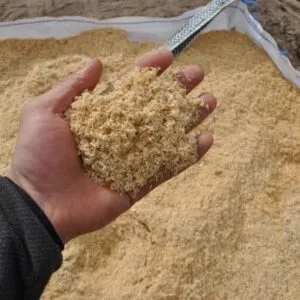
Buy sawdust online
Spruce sawdust for sale in bulk
Our spruce sawdust is made exclusively from clean, non-chemically treated spruce wood from certified forests in the Czech Republic. It is ideal for animal bedding, composting, gardening, crafts, and industrial applications. Thanks to its low moisture content (below 12%) and fine, uniform structure, it ensures excellent absorption and easy handling. At Wood-Břežany s.r.o. You can buy spruce sawdust in various volumes - from small bags to pallet deliveries. All our products meet strict environmental and quality standards, and thanks to our own logistics, we guarantee fast and reliable delivery throughout the Czech Republic and to neighboring countries such as Germany and Poland.Order Bulk Sawdust for Horse Bedding | Wood-Břežany s.r.o
Premium bulk sawdust for horse bedding. Highly absorbent pine sawdust is perfect for stables, farms, and equestrian facilities. Cost-effective bedding solution delivered across Europe. Order quality sawdust from trusted Czech supplier Wood-Břežany s.r.o.
When you walk into a well-maintained stable, the clean scent and dry conditions tell you everything about quality horse care. The secret often lies beneath your feet: proper bedding materials that absorb moisture, control odour, and keep horses comfortable. At Wood-Břežany s.r.o, we supply premium bulk sawdust specifically selected for equestrian applications across Europe, understanding that your horses deserve nothing but the best.

Buy Premium Sawdust for Horse Bedding Online
Choosing the right bedding material can transform your stable management routine. Our high-quality sawdust for horse bedding stands out for its exceptional absorbency and economical value. According to a 2024 study published in the Journal of Equine Veterinary Science, sawdust demonstrated cost-effectiveness among equine bedding materials, though it requires proper management for optimal results.
We source our sawdust from carefully selected softwood mills throughout the Czech Republic, ensuring you receive a consistent, reliable product. When you buy pine sawdust online from us, you’re investing in bedding that supports your horses’ health whilst simplifying your daily stable work.
Key Takeaways for Horse Owners
- Cost-effective solution: Bulk sawdust offers excellent value compared to bagged alternatives
- High absorbency: Absorbs up to three times its weight in moisture
- Easy mucking out: Wet spots clump together for efficient stall cleaning
- Respiratory considerations: Proper ventilation is essential for dust management
- Storage flexibility: Adaptable storage options for farms of all sizes
What Is Sawdust Bedding and Why Choose It?
Sawdust represents one of the most traditional and economical bedding choices for horse stables. Unlike wood shavings, sawdust consists of finer particles produced during the timber sawing process. This finer texture creates specific advantages for moisture absorption and waste management.
The material works exceptionally well for horses that spend moderate time in their stalls. Its fine particle structure allows urine to be absorbed quickly, forming distinct wet patches that are easy to identify and remove during daily mucking out. This characteristic makes sawdust particularly appealing for stable managers who prioritise efficient cleaning routines.
Our sawdust comes from premium softwood sources, primarily pine and spruce varieties. These species offer the ideal balance of absorbency, odour control, and safety. We never use hardwoods like black walnut, which contain toxins harmful to horses. Quality control remains paramount in everything we supply.
How Much Does Bulk Sawdust Cost for Horse Stables?
Understanding pricing helps you budget effectively for your stable’s needs. Bulk sawdust typically costs considerably less than packaged alternatives, though prices fluctuate based on several factors. According to timber industry data from Austria, sawdust prices have shown an upward trend, reaching 380.31% on the price index in October 2024, reflecting increased demand across Europe.
| Purchase Method | Typical Cost | Storage Requirements | Best For |
|---|---|---|---|
| Bulk Delivery (10+ tonnes) | Most economical per tonne | Covered area 20-30m² | Large stables (6+ horses) |
| Bagged Sawdust | Premium pricing | Minimal, stackable | Small stables (1-3 horses) |
| Half-Load Delivery | Moderate pricing | Medium covered area | Mid-size operations (4-6 horses) |
When you order sawdust in bulk, transportation costs become distributed across larger volumes, significantly reducing your per-unit expenses. We offer flexible delivery scheduling across European markets, ensuring you maintain adequate supplies without overwhelming your storage capacity.
Where to Buy Quality Sawdust for Horses in Europe
Sourcing safe, clean sawdust requires partnering with suppliers who understand equestrian needs. Wood-Břežany s.r.o operates from our facility in Břežany, Czech Republic (IČO: 05273790), strategically positioned to serve customers throughout Europe. Our proximity to sustainable forestry operations ensures fresh, properly processed sawdust year-round.
We also supply complementary products for comprehensive stable management. Many customers combine our pine sawdust with wood shavings for poultry bedding, creating layered bedding systems that maximise absorbency whilst minimising dust exposure.
Geographic advantages of our location include efficient logistics networks connecting Central Europe with Western markets. Whether you operate a small riding school in France or manage large breeding facilities in Germany, our delivery systems adapt to your requirements.
Best Types of Sawdust for Horse Stall Bedding
Not all sawdust suits equine environments equally. Pine and spruce sawdust emerge as the preferred choices for several compelling reasons. These softwood varieties break down gradually, maintain good absorbency, and produce minimal aromatic compounds that might irritate sensitive horses.
Safe Wood Species for Horse Bedding
Recommended Options:
- Pine sawdust (our primary offering)
- Spruce sawdust
- Fir sawdust
- Mixed softwood varieties
Avoid These Toxic Woods:
- Black walnut (contains juglone, toxic to horses)
- Red hardwood sawdust
- Cedar (can cause respiratory irritation)
- Treated or painted wood remnants
Our spruce sawdust comes from sustainable forest management programmes, ensuring environmental responsibility alongside product quality. Each load receives quality checks before dispatch, eliminating contamination risks from metal fragments, chemical residues, or unsuitable wood species.
How to Store Bulk Sawdust Properly
Storage solutions can make or break your bulk purchasing strategy. Proper storage protects your investment whilst ensuring bedding remains dry and dust-free until use. According to experienced stable management guides, waterproof storage in three-sided shelters with tarps works effectively for loose shavings and sawdust.
Practical Storage Solutions
Option One: Three-Sided Shelte.r Build a simple structure with a waterproof roof, positioning it where delivery lorries can access easily. Ensure the base stays elevated with pallets to prevent ground moisture from seeping into your sawdust supply.
Option Two: Tarpaulin System. For farms with space constraints, heavy-duty tarps provide cost-effective protection. Lay one tarp on the ground, have your sawdust delivered onto half of it, then fold the remaining portion over the top. Secure edges with weights or ground anchors.
Option Three: Converted Buildings Repurpose existing structures like old silos, unused barns, or large sheds. Proper ventilation prevents condensation whilst keeping materials dry and accessible throughout the winter months.
Fresh sawdust contains natural moisture that helps control dust. However, excessive dampness can lead to heating and potential spontaneous combustion in large piles. Monitor stored sawdust regularly, particularly during warm weather, ensuring adequate air circulation around the pile.
Why Choose Pine Sawdust Over Other Bedding Materials?
Comparing bedding options helps you make informed decisions for your stable. Pine sawdust offers distinct advantages over alternatives like straw, wood chips, or synthetic materials. Research from the University of Technology Malaysia examining bedding materials found that sawdust was the cheapest of the three bedding materials tested, though it was used in greater quantities, requiring more mucking out time.
Sawdust vs Straw
Straw provides traditional bedding with good drainage but offers limited absorbency. Horses often eat straw bedding, creating impaction colic risks. Sawdust eliminates this concern whilst providing superior moisture control. However, straw generates less dust and feels softer underfoot.
Sawdust vs Wood Pellets
Wood pellets offer excellent absorbency and easy storage, but cost more per tonne than bulk sawdust. Pellets expand when wet, creating a sawdust-like texture. For large operations, bulk sawdust remains more economical, whilst smaller stables might prefer pellet convenience.
Sawdust vs Wood Shavings
Shavings produce less dust than sawdust but absorb moisture less effectively. Many stable managers use sawdust as a base layer beneath shavings, combining the absorbency of sawdust with the dust reduction of larger particles. This hybrid approach appears in successful stables worldwide.
Consider your specific situation:
- Horses with respiratory sensitivities: Choose dust-extracted shavings or dampened sawdust
- Cost-conscious operations: Bulk sawdust delivers maximum value
- Convenience priority: Wood pellets or bagged products simplify handling
- Composting enthusiasts: Sawdust breaks down efficiently in compost systems
Which Wood Sawdust Works Best for Bedding?
Pine sawdust consistently ranks as the top choice for equestrian bedding across Europe. Its neutral pH, pleasant natural scent, and excellent absorbency create ideal conditions for horse comfort. The fine particles compact slightly under hooves, providing cushioning without creating dangerously slippery surfaces.
Spruce sawdust serves as an excellent alternative, particularly in regions where pine availability fluctuates seasonally. Both species come from sustainable forestry practices throughout Central Europe, supporting environmental conservation whilst meeting equestrian needs.
We process our sawdust immediately after production at partner mills, maintaining freshness and reducing dust accumulation that occurs with prolonged storage. This attention to freshness means your horses breathe easier and your stable staff work in healthier conditions.
How Long Does Sawdust Bedding Last in Horse Stalls?
Bedding longevity depends on several management factors. A 12×12 stall typically requires 4-6 inches of sawdust depth initially, providing adequate absorbency and cushioning. With proper daily maintenance, this base layer can last 1-2 weeks before complete replacement becomes necessary.
Daily maintenance routine:
- Remove all droppings promptly
- Identify and remove wet patches
- Fluff remaining dry sawdust
- Add fresh material to thin areas (approximately half a wheelbarrow)
- Bank sawdust along stall walls for horse comfort
Horses that spend more time outdoors require less frequent bedding changes. Conversely, stabled horses that receive multiple daily feeds need more frequent mucking out to maintain hygiene standards.
One bulk delivery (typically 10-15 tonnes) can service six horses for approximately 6-8 weeks when managed efficiently. This calculation assumes horses spend a reasonable time turned out, standard stall dimensions, and consistent daily maintenance practices.
Order Premium Sawdust for Horse Farms
We’ve built our reputation on reliable supply, consistent quality, and understanding equestrian requirements. When you place an order with Wood-Břežany s.r.o, you receive more than sawdust – you gain a partnership with suppliers who genuinely care about horse welfare.
Our ordering process prioritises simplicity and transparency. Contact us through our website to discuss your specific requirements. We’ll arrange delivery schedules that suit your operational needs, whether you need regular monthly deliveries or seasonal bulk purchases.
Additional products for complete stable management:
- Oak sawdust for specific applications
- Wood briquettes for heating
- Mixed wood shavings for poultry and livestock
- DIN hay pellets for alternative heating solutions
Horse Bedding Safety Considerations
Safety remains paramount when selecting sawdust suppliers. Black walnut toxicity represents the most serious concern in equestrian bedding. This hardwood contains juglone, a compound absorbed through horses’ hooves, causing laminitis and other serious health issues. Symptoms can appear within 12 hours of exposure.
We guarantee our sawdust contains zero black walnut content. Our sourcing exclusively uses pine, spruce, and other safe softwood species. Each load comes with documentation verifying wood species and processing location.
Additional safety measures:
- Check for foreign objects (nails, wire, plastic)
- Ensure sawdust hasn’t been chemically treated
- Verify freshness (avoid musty or mouldy sawdust)
- Monitor dust levels in your stable environment
- Watch for respiratory symptoms in horses and staff
Proper ventilation addresses dust concerns effectively. Even the finest sawdust becomes manageable when stables feature adequate air exchange. Consider installing ridge vents, Dutch doors, or mechanical ventilation systems in enclosed barns.
Sawdust Bedding for Large Equestrian Facilities
Managing bedding for multiple horses requires careful planning and efficient systems. Large operations benefit most from bulk deliveries, reducing per-unit costs whilst ensuring consistent supply. Your storage facility becomes a critical asset, requiring space for 2-3 months of inventory to handle supply disruptions or seasonal availability changes.
Successful large stables often designate specific staff members for bedding management, creating consistency in mucking out techniques and usage rates. Training programmes help new staff understand proper depth requirements, spotting wet areas early, and maximising bedding lifespan through careful handling.
Bulk purchase advantages for large facilities:
- Significant cost savings (30-50% less than bagged products)
- Reduced packaging waste, supporting environmental goals
- Flexible delivery scheduling matching your usage patterns
- Consistent product quality from single-source suppliers
- Relationship building with suppliers who understand your business
Consider mechanised mucking out equipment when managing 10+ horses. Specialised forks, wheelbarrows with large capacity, and even tractor-mounted systems can dramatically reduce labour hours whilst improving bedding efficiency.
We work with numerous breeding farms, riding schools, and racing stables throughout Europe. Our experience with large-volume customers means we understand delivery logistics, quality consistency requirements, and the importance of reliable supply chains to your business operations.
Frequently Asked Questions
Is sawdust safe for horses with respiratory problems?
Sawdust can be used for horses with mild respiratory sensitivities when properly managed. According to equestrian bedding research, sawdust produces considerable dust that can irritate horses’ eyes and airways, making it more suitable for well-ventilated areas. For horses with severe conditions like heaves or COPD, consider dust-extracted alternatives or dampening sawdust before use. Ensure excellent stable ventilation and monitor your horse for coughing, nasal discharge, or laboured breathing.
How much bulk sawdust do I need for one horse?
A single horse requires approximately 1.5-2 tonnes of sawdust every 6-8 weeks, depending on time spent in the stall and management practices. Initial bedding depth should reach 4-6 inches (10-15cm) for proper absorbency and cushioning. Daily maintenance with spot cleaning extends bedding life, whilst weekly additions of fresh sawdust maintain proper depth. Storage for r 2-3 months supply (3-6 tonnes) provides operational flexibility and potential cost savings through larger delivery orders.
Can I compost used sawdust from horse stalls?
Used sawdust composts excellently, creating valuable soil amendment for gardens and pastures. According to composting research, composting horse manure mixed with wood shavings reduces pathogen content and can be used to fertilise gardens or as a soil conditioner on pasturelands. Ensure your compost pile reaches proper temperatures (55-65°C) for pathogen elimination. Mix sawdust bedding with nitrogen-rich materials (fresh manure, grass clippings) for optimal decomposition. Turn piles regularly and allow 6-12 months for complete breakdown.
What’s the difference between sawdust and wood shavings for bedding?
Sawdust consists of much finer particles than wood shavings, created as a byproduct during timber sawing. This finer texture provides excellent absorbency but generates more dust. Shavings feature larger, flake-like pieces that create fluffier bedding with better dust control but less moisture absorption. Many stables combine both: sawdust as an absorbent base layer with shavings on top for dust reduction. Your choice depends on priorities (cost vs dust control vs absorbency) and your horses’ specific needs.
How do I prevent sawdust bedding from becoming too dusty?
Control dust through several management techniques. Lightly dampen sawdust with a spray bottle or hose during initial bedding and when adding fresh material. Ensure proper, stable ventilation with adequate air exchange. Choose fresh sawdust over aged material, as older sawdust becomes drier and dustier. Consider combining sawdust with wood shavings to create a layered system, reducing airborne particles. Remove completely soiled bedding promptly, as bacterial action in wet areas increases dust and ammonia production.
Where can I buy bulk sawdust for horses in the UK and Europe?
Wood-Břežany s.r.o supplies premium bulk sawdust throughout Europe from our Czech Republic base. We deliver to the UK, Germany, France, Austria, and other European markets with flexible scheduling and competitive pricing. Contact us through our website or email to discuss your specific requirements. We provide transparent pricing, quality documentation, and reliable delivery services. Many customers appreciate our willingness to work with operations of all sizes, from small private stables to large commercial facilities.
How should I store bulk sawdust to keep it dry?
Effective storage protects your sawdust investment from weather damage. Create a three-sided shelter with waterproof roofing, positioning the open side away from prevailing winds and rain. Elevate sawdust off the ground using pallets or compacted gravel to prevent moisture wicking. Heavy-duty tarps (minimum 200gsm) provide economical protection when properly secured. For long-term storage, consider repurposing existing buildings or investing in dedicated storage structures. Monitor stored sawdust regularly for signs of dampness, heating, or mould growth, addressing issues promptly to maintain bedding quality.
References
- Journal of Equine Veterinary Science (2024). “Assessing the cost efficiency and benefits of sawdust, pinewood, and rubber wood shavings as bedding materials.” https://pubmed.ncbi.nlm.nih.gov/38316315/
- MDPI Animal Journal (2025). “A Literature Review on Equine Bedding: Impacts on Horse and Human Welfare, Health, and the Environment.” https://pmc.ncbi.nlm.nih.gov/articles/PMC11899278/
- Timber-Online (2024). “Sawdust price index with a clear upward trend.” https://www.timber-online.net/wood_products/2024/12/sawdust-price-index-with-a-clear-upward-trend.html
- Mad Barn Equine Nutrition (2023). “Best Bedding for Horses: Guide to Different Types of Materials.” https://madbarn.com/best-bedding-for-horses/
- American Stalls (2024). “8 Ways to Save on Your Horse Stall Bedding Bills.” https://americanstalls.com/blogs/blog/8-ways-to-save-on-your-horse-stall-bedding-bills
- SmartPak Equine (2018). “Guide to the Best Types of Horse Bedding.” https://www.smartpakequine.com/learn-products/best-types-of-horse-bedding
- The Horse (2002). “Bedding Benefits and Risks.” https://thehorse.com/130673/bedding-benefits-and-risks/