

 Čeština
 Deutsch
 Română
 Polski
 Italiano
What’s the best way to store wood pellets to maintain their quality?
Did you know that improperly stored wood pellets can become almost useless by the time you need them? When high-quality wood pellets absorb moisture above their normal level of less than 10%, they require more heat just to evaporate that water before they can burn effectively.
Surprisingly, properly maintained wood pellet storage can extend the life of your fuel for up to two years without any loss in efficiency or quality. At around $300 per ton, with one ton lasting approximately one-third of the winter season, protecting your investment is essential. Whether you’re considering indoor wood pellet storage bins for convenience or exploring bulk wood pellet storage containers for cost savings, keeping your fuel dry is the key to maintaining its effectiveness.
In this guide, we’ll walk you through everything you need to know about wood pellet storage containers, placement options, and maintenance techniques. We’ll share expert tips to ensure your pellets stay dry, fresh, and ready to provide efficient heat whenever you need them. Proper wood pellet storage and how it can save you money while keeping your home warm all season long.
Understanding the Basics of Wood Pellet Storage
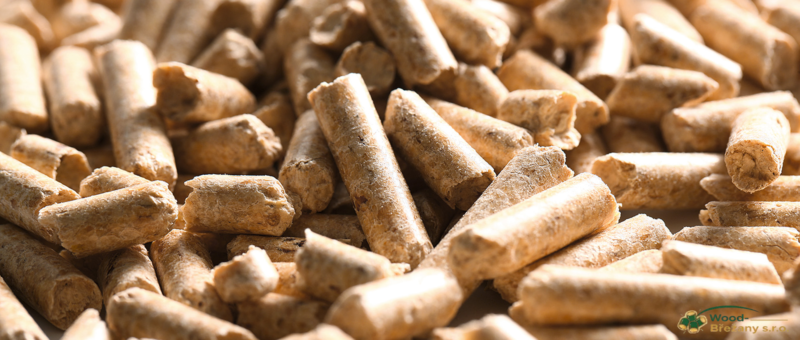
The science behind wood pellets explains their unique storage requirements. These small powerhouses of heat are manufactured from compressed sawdust and wood shavings, bound together by the natural lignin in wood without additional chemicals or glues.
What makes wood pellets sensitive to moisture
Wood pellets maintain an extremely low moisture content, typically below 10%, which allows them to burn cleanly and efficiently. However, this same quality makes them highly vulnerable to environmental moisture. Once exposed to water or humid conditions, pellets rapidly absorb moisture, causing them to swell, crumble, and eventually dissolve completely.
Dampness not only destroys the structural integrity of pellets but also creates serious performance issues. Wet pellets:
- Produce excess ash and buildup in the burn pot
- Jam feeding mechanisms as they swell and break apart
- Reduce overall heating efficiency, requiring more fuel for the same heat output
- Can cause mechanical malfunctions in your stove or boiler
How long can wood pellets last if stored properly?
Under ideal storage conditions, dry, well-ventilated, and temperature-stable environments, wood pellets can maintain their quality for 6 to 12 months. Some experts suggest that with perfect storage practices, pellet fuel might have an almost indefinite shelf life.
Nevertheless, the storage environment significantly affects longevity. In spaces with humidity lower than 10%, pellets typically last up to 6 months, yet if humidity exceeds 10%, their usable life drops to just 1-3 months.
Why airtight storage is essential
Airtight wood pellet storage containers provide the critical defense pellets need against their greatest enemy: ambient moisture. A properly sealed container prevents humid air from contacting the pellets, thereby preserving their original low moisture content and structural integrity.
Furthermore, airtight storage helps pellets maintain consistent burn quality and heat output. High-quality storage solutions like bins with locking closures effectively seal out moisture, ensuring your pellets remain in optimal condition until needed.
For those storing bulk quantities, dedicated storage systems such as wood pellet storage silos or indoor wood pellet storage bins offer the airtight protection needed to maintain fuel quality for extended periods, ultimately protecting your investment and ensuring reliable heat whenever you need it.
Choosing the Right Storage Containers
Selecting the right storage container is crucial for maintaining pellet quality over time. The ideal choice depends on your specific needs, space constraints, and budget.
Best wood pellet storage container types
Plastic containers with airtight seals represent the safest option for wood pellet storage. FDA-approved airtight storage buckets effectively keep environmental elements at bay, primarily moisture. For those seeking specialized solutions, the market offers various options:
- Pellet bins with locking mechanisms – Products like Traeger’s StayDry Pellet Bin feature airtight lids with locking closures that seal out moisture, ensuring optimal burn and flavor.
- Stackable storage systems – These containers allow you to store multiple pellet varieties without consuming excessive space.
- Waterproof bunkers – The SmartBunker, made from medium-density UV-resistant polyethylene, can store up to 175kg of pellets while keeping them completely dry.
Benefits of airtight wood pellet storage containers
Proper airtight storage provides multiple advantages:
First, it prevents moisture absorption that would otherwise cause pellets to rot and lose their integrity. Consequently, your pellets remain dry and light easily, allowing better temperature control in your pellet stove. Second, quality containers feature dust collection systems to manage pellet dust effectively. Finally, many modern storage solutions offer additional conveniences like viewing windows to check pellet levels and hidden wheels for mobility.
Bulk wood pellet storage containers vs. bagged options
For larger quantities, bulk storage options offer considerable advantages. Hoppers typically hold a minimum of 3½ tons, accommodating standard delivery minimums. Additionally, they reduce pellet costs significantly – bulk deliveries average around £210/ton compared to £250-£280/ton for bagged pellets.
Alternatively, bagged storage requires less initial investment and space. Though more labor-intensive since you’ll manually transfer 10kg bags to your stove’s built-in hopper, this approach eliminates the need for expensive equipment installations.
Above all, regardless of which system you choose, ensuring your storage solution keeps pellets completely dry remains essential for optimal performance and value.
Indoor vs. Outdoor Wood Pellet Storage
Finding the optimal location for your wood pellet storage can make a significant difference in fuel quality and accessibility. The decision between indoor and outdoor storage often depends on available space and climate conditions.
Indoor wood pellet storage ideas for small spaces
Indoor storage remains the safest option for maintaining wood pellet quality. For homes with limited space, consider:
- Using heavy-duty plastic storage bins with airtight lids in utility rooms or basements
- Placing smaller containers behind furniture (even behind the sofa!) for those buying only a few bags
- Stacking bins in garages, keeping them elevated on pallets and away from walls
- Installing dedicated containers in closets or covered porches for easy access
A year’s supply of wood pellets for a typical detached house requires only about 4 m² of floor space, making indoor storage feasible for most homes.
Outdoor wood pellet storage: what to avoid
Despite space advantages, outdoor storage presents several risks:
First, avoid placing pellets directly on the ground, especially concrete floors that draw moisture from the earth. Second, never leave bags exposed to rain or sitting in puddles. Moreover, avoid storing pellets against external walls where condensation forms. Finally, never place storage units near sprinklers, pools, or in areas prone to flooding.
How to protect pellets from rain and humidity
To safeguard pellets stored outside:
- Place containers on wooden pallets or platforms to prevent ground moisture
- Use weatherproof storage options like sheds or purpose-built silos
- Ensure storage units have proper ventilation to prevent condensation
- Cover with breathable, UV-resistant tarps if using uncovered storage
- Choose sheltered locations under carports or overhangs whenever possible
Essentially, both indoor and outdoor storage can work effectively with proper moisture protection.

Maintaining Pellet Quality Over Time
Even with the perfect storage solution, regular maintenance remains crucial for preserving pellet integrity throughout the season. Proper inspection and care practices help identify problems early, saving both money and frustration.
How to inspect pellets before use
I always examine my pellets thoroughly before adding them to my stove hopper. Firstly, I check for a shiny appearance; dull-looking pellets often indicate moisture damage. Alongside this visual inspection, I perform several quick tests:
- Snap test: Good pellets break with an audible snap rather than crumbling
- Squeeze test: Quality pellets resist pressure and don’t easily crumble
- Float test: Drop a few in water, good pellets sink; damaged ones float
Excessive dust at the bag bottom typically signals broken pellets that can block augers or create inconsistent feeding.
Tips for sealing opened bags
Once opened, I immediately secure partial bags using heavy-duty clips or strong tape. For longer-term storage, I transfer leftover pellets into airtight FDA-approved containers kept away from heat sources. Henceforth, I follow a “first in, first out” approach, using older pellets first.
Using dehumidifiers in storage areas
Undeniably, controlling ambient humidity dramatically extends pellet life. I place a dehumidifier in my storage area during humid months. This simple step prevents moisture accumulation that would gradually degrade pellet quality. In very humid regions, even lowering relative humidity by a few percentage points substantially slows moisture uptake.
When to dispose of degraded pellets
I discard pellets immediately upon noticing:
- Swollen or soft texture indicating moisture absorption
- Mold growth or musty smells
- Heavy clumping that won’t separate easily
Using damaged pellets risks clogging feed systems, causing uneven burning, and potentially damaging expensive equipment. Instead of risking my heating system, I replace compromised pellets with fresh ones.
Conclusion
Proper storage of wood pellets stands as the cornerstone of maximizing your heating investment. Throughout this guide, we’ve explored how moisture can quickly transform quality pellets into an unusable mess. Most importantly, keeping your pellets in airtight, waterproof containers helps maintain their moisture content below 10%, ensuring they burn efficiently when needed.
Storage location certainly makes a difference in pellet longevity. While indoor storage offers the best protection against environmental elements, outdoor options can work effectively with proper precautions, such as elevated platforms and weatherproof containers. The choice ultimately depends on your available space and climate conditions.
Regular inspection remains essential regardless of where you store your pellets. Simple tests like checking for shininess, performing snap tests, and watching for excessive dust can help you identify compromised fuel before it damages your equipment. Additionally, controlling humidity in your storage area extends pellet life significantly.
Wood pellets represent a substantial investment, one worth protecting through proper storage practices. After all, the small effort required to maintain dry, fresh pellets pays off through consistent heat output, reduced equipment problems, and fewer wasted bags.
The next time you purchase wood pellets, remember that their shelf life depends almost entirely on your storage methods. Well-maintained pellets can last 6-12 months or even longer, saving you money while providing reliable, efficient heat whenever you need it. Your careful attention to storage details now means worry-free warmth later.
Key Takeaways
Proper wood pellet storage is critical for maintaining fuel efficiency and protecting your heating investment. Here are the essential practices every pellet user should follow:
• Keep moisture below 10% – Use airtight containers to prevent pellets from absorbing humidity, which causes swelling, crumbling, and reduced burn efficiency.
• Choose the right storage location – Indoor storage offers the best protection, but outdoor storage works with elevated platforms and weatherproof containers away from ground moisture.
• Inspect pellets regularly – Perform snap tests, check for shininess, and watch for excessive dust to identify compromised fuel before it damages your equipment.
• Invest in quality containers – FDA-approved airtight buckets or specialized pellet bins with locking mechanisms provide essential moisture protection for 6-12 months storage life.
• Control storage environment humidity – Use dehumidifiers in storage areas and ensure proper ventilation to prevent condensation that gradually degrades pellet quality.
With proper storage techniques, your wood pellets can maintain peak performance for up to a year, ensuring consistent heat output while protecting your investment in quality fuel. Remember: the effort you put into storage now directly translates to reliable warmth and fewer equipment problems later.
FAQs
What’s the best way to store wood pellets? Store wood pellets in airtight, moisture-proof containers such as food-grade 5-gallon buckets with sealable lids or specialized pellet storage bins. Keep them in a cool, dry area like a garage, shed, or utility room to maintain their quality and prevent moisture absorption.
How can I protect my wood pellets from moisture? To protect wood pellets from moisture, store them in airtight containers, elevate them off the ground using pallets, and keep them in a dry, well-ventilated area. For outdoor storage, use weatherproof containers or cover with breathable, UV-resistant tarps. Consider using a dehumidifier in the storage area during humid months.
How long can wood pellets be stored? Properly stored wood pellets can last 6 to 12 months without losing quality. In ideal conditions – dry, well-ventilated, and temperature-stable environments with humidity below 10% – pellets may maintain their quality for even longer periods.
How can I tell if my wood pellets have gone bad? Inspect pellets for signs of degradation, such as a dull appearance, soft texture, or excessive crumbling when squeezed. Perform a snap test – good pellets should break with an audible snap. Also, check for mold growth, musty smells, or heavy clumping. If pellets float in water, it’s a sign they’ve absorbed moisture and should be discarded.
What’s the difference between indoor and outdoor wood pellet storage? Indoor storage is generally safer for maintaining pellet quality as it offers better protection from environmental elements. However, outdoor storage can work with proper precautions. Indoor storage requires less moisture protection but may need space-saving solutions, while outdoor storage demands weatherproof containers, elevation from the ground, and protection from rain and humidity.