

 Čeština
 Deutsch
 Română
 Polski
 Italiano
 Español
 Nederlands
 Magyar
 Slovenčina
 Slovenščina
 Hrvatski
What Are Wood Chips Used For? Complete Guide for Gardeners
Learn What Are Wood Chips Used For, from gardens/ mulching to composting, pathways and animal bedding. Expert guide on purchasing high-quality wood chips for your landscaping needs. Transform your garden with premium wood chips from Wood-Břežany S.R.0. Perfect for mulching, pathways, composting, and soil improvement. Our sustainably sourced chips suppress weeds, retain moisture, and naturally enrich the soil. Available in bulk quantities across Europe. Order now for fast delivery.
Wood chips have become an essential material for gardeners, landscapers, and sustainable homeowners across Europe. Yet many people overlook their versatility, assuming these humble fragments serve only one or two purposes. At Wood-Břežany S.R.0, we understand the transformative power of quality wood chips, and we’re here to share comprehensive insights into their diverse applications. Whether you’re establishing a new garden bed, creating natural pathways, or seeking eco-friendly solutions for animal bedding, wood chips offer practical answers that balance cost-effectiveness with environmental responsibility.
The popularity of wood chips stems from their renewable nature and their ability to improve outdoor spaces while reducing waste. According to research on sustainable gardening practices, wood chips contribute to rich, loamy garden soil as they decompose year over year, adding continuous organic matter. When you buy wood chips online from us, you’re investing in a material that works with nature rather than against it.
Understanding Wood Chips and Their Composition
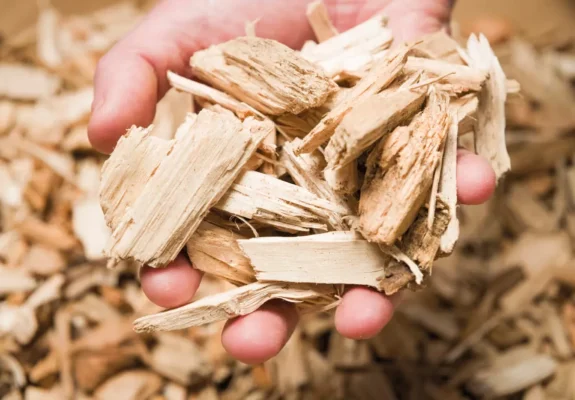
Before exploring their uses, let’s clarify what wood chips actually are. These uniform fragments result from processing tree trunks, branches, and bark through industrial chippers. Unlike sawdust or wood shavings, which we also supply online, wood chips maintain larger, irregular shapes that create diverse environments beneficial for soil organisms and plant health.
Research from Washington State University indicates that arborist wood chips, which include bark, wood, and leaves, create superior mulches compared to uniform materials like sawdust. This chemical and physical diversity prevents compaction and supports varied decomposition rates, fostering biological diversity in your garden ecosystem. The mixture houses diverse microbes, insects, and organisms that contribute to resilient soil communities.
Our wood chips come from sustainably managed European forests, ensuring you receive clean, untreated materials perfect for organic gardening. When you buy pine wood chips online or buy alder wood chips through our platform, you support responsible forestry practices while enhancing your property.
Buy Wood Chips for Garden Mulching
The most recognized application for wood chips is garden mulching, and for good reason. Applying a generous layer across your beds creates multiple benefits that reduce maintenance while improving plant health. Studies show that wood chips retain moisture by creating a protective layer that reduces water evaporation, particularly during hot and dry periods.
Beyond moisture retention, wood chip mulch suppresses weed growth effectively. The mechanism includes light reduction that prevents seed germination, possible allelopathy that inhibits sprouting, and reduced nitrogen at the soil-mulch interface that limits seedling survival. This means less time spent weeding and more time enjoying your garden.
Temperature regulation represents another critical advantage. A mulch layer helps control soil temperature, keeping it significantly cooler on extremely hot days and maintaining insulation as temperatures dip toward freezing. Your plants experience less stress from temperature extremes, resulting in stronger growth and better yields.
| Mulching Benefit | Impact on Garden | Maintenance Reduction |
|---|---|---|
| Moisture Retention | Reduces watering frequency by 40-60% | Less irrigation time |
| Weed Suppression | Blocks 85-95% of weed emergence | Minimal weeding needed |
| Temperature Control | Moderates soil temperature extremes | Protects plant roots |
| Soil Enrichment | Adds organic matter as chips decompose | Improves long-term fertility |
| Erosion Prevention | Protects soil surface from rain impact | Maintains soil structure |
When applying wood chip mulch, spread a layer approximately 5-10 centimetres thick around established plants. Avoid piling chips directly against plant stems or tree trunks, as this can encourage rot and provide habitat for pests. For vegetable gardens, many growers successfully use wood chips between rows while keeping the immediate planting areas clear.
We recommend our oak wood chips for ornamental gardens and our mixed wood shavings for vegetable beds. Each type offers slightly different decomposition rates and aesthetic qualities.
How to Use Wood Chips for Pathways
Creating natural pathways with wood chips offers both functional and aesthetic benefits. Garden experts note that wood chip-covered paths allow you to walk around without getting shoes mucky, even while it’s raining, as the chips don’t stick to anything regardless of moisture levels. This keeps your garden accessible in all weather conditions.
The pathway application extends beyond mere walkability. As long as you maintain thick mulch, almost no weeds will grow in your paths, with exceptions only for windblown seeds and perennial weeds like Bermuda grass. This dramatically reduces pathway maintenance compared to bare soil or grass paths that require constant attention.
Surprisingly, wood chip paths also protect soil structure. Research shows that even after years of walking on wood chip-covered paths, the soil beneath remains uncompacted, allowing for immediate planting without digging or amending. The chips distribute weight and prevent the direct compression that damages soil structure.
For pathway construction, apply wood chips to a depth of 7-10 centimetres over clear, level ground. Edge the paths with timber, stone, or metal barriers to contain the chips and create clean lines. Refresh the surface annually as the lower layers compress and decompose. The decomposed material can then be transferred to garden beds as nutritious compost.
Consider our cedar wood shavings for aromatic pathways or our economical pine wood chips for larger pathway projects where budget matters.
Best Wood Chips for Composting
Composting with wood chips requires understanding their high carbon content. Wood chips possess a carbon-to-nitrogen ratio of approximately 700:1, meaning they contain 700 times more carbon than nitrogen. While this carbon-rich composition makes them excellent “brown” material for compost, they need balancing with nitrogen-rich “green” materials.
Experts recommend adding fresh lawn clippings, food waste, coffee grounds, or manure alongside wood chips to create the proper balance for decomposition. Blood meal or feather meal, both nitrogen-rich amendments, can accelerate the process substantially.
The composting timeline for wood chips extends longer than typical garden waste. Complete decomposition may take 3-4 years for woody chippings to transform into good compost. However, you can speed this process through several methods:
Increase surface area by using smaller chips or partially aged material. Maintain proper moisture levels by keeping the pile consistently damp but not waterlogged. Ensure adequate aeration through regular turning or by incorporating coarse materials that create air channels. Balance the carbon-to-nitrogen ratio with generous additions of green materials.
Wood chips in compost help retain moisture while preventing waterlogging, and they gradually release nutrients into the soil as decomposition proceeds. The slow release provides sustained nourishment for plants rather than quick nutrient flushes that can cause imbalances.
If waiting years for fully composted wood chips seems impractical, consider partially composted chips for pathways and mature garden beds. The ongoing decomposition continues improving soil structure even when applied before complete breakdown. Our sawdust products can also supplement your composting efforts with finer carbon particles.
Where to Buy Wood Chips for Animal Bedding
Animal bedding represents another valuable application for wood chips. Wood chips provide comfort through their soft, cushioned surface, excellent absorbency that quickly soaks up moisture, natural insulation that regulates temperature, and durability that resists compaction over time. These qualities make chips ideal for livestock, poultry, and small animal housing.
The absorbency factor particularly matters for maintaining clean, healthy animal environments. Wood chips soak up urine and spilled water efficiently, keeping bedding dry and reducing bacterial growth along with unpleasant odours. This creates more comfortable conditions for animals while simplifying cleaning routines for caretakers.
When selecting wood chips for bedding, avoid certain species. Black walnut contains juglone, which proves toxic to horses and some other animals. Cedar chips, while naturally pest-repellent, can cause respiratory issues in small rodents. For general livestock and poultry applications, pine, spruce, or mixed hardwood chips work excellently.
Used wood chip bedding can be composted along with other organic materials, transforming waste into nutrient-rich compost for gardens or fields. This closes the loop on resource use and provides additional value from your bedding investment.
We offer bulk quantities of appropriate wood shavings for poultry bedding that meet strict quality standards. Our materials come from untreated wood sources, ensuring safety for your animals. Visit our shop to explore options suited to different animal types and facility sizes.
Buy Wood Chips Online for Soil Improvement
Long-term soil improvement through wood chip incorporation offers benefits that extend beyond surface mulching. As wood chips decompose, they contribute organic matter to soil, improving structure, aeration, and fertility gradually. This transformation turns poor, compacted soil into rich, friable loam over several years.
The soil improvement process works through fungal decomposition. When you apply wood chips as surface mulch, various fungi colonize the material, breaking down lignin and cellulose. These fungi extend threadlike hyphae deep into the soil, mining nutrients and bringing them back to decompose the wood. As the fungi themselves die and decompose, they contribute additional organic matter with different nutrient profiles than the wood alone.
Wood chips have proven especially effective in helping establish trees and native plants in urban and disturbed environments where soil quality has been compromised. The chips moderate harsh conditions while gradually building soil health, allowing plants to establish successfully where they might otherwise struggle.
For soil building, maintain a surface layer of wood chips 5-7 centimetres thick, refreshing it annually or bi-annually. Resist the temptation to dig chips into the soil, as this can temporarily lock up nitrogen and create anaerobic pockets. Allow natural processes to incorporate the material over time through worm activity and decomposition.
Consider combining wood chips with other soil-building materials like compost or well-rotted manure for faster results. The synergy between these amendments accelerates soil transformation while providing immediate and long-term benefits.
What Types of Wood Chips Work Best for Gardens
Not all wood chips perform equally across applications. Hardwood chips from oak, beech, or maple decompose slowly, making them ideal for long-lasting pathways and ornamental mulch. Their slower breakdown means less frequent replenishment but also slower nutrient release.
Softwood chips from pine, spruce, or fir decompose more quickly, releasing nutrients faster and requiring more frequent refreshment. Fresh conifer materials may contain phytotoxic compounds like tannins that can reduce germination and harm young plants, though this poses minimal risk to established plants. Aging conifer chips for several months before use around seedlings mitigates these concerns.
Ramial wood chips, made from small branches and leaves rather than trunk wood, deserve special mention. These chips come from small branches and leaves and prove wonderful for building healthy garden soil because the leaves provide nitrogen to help break down the carbon in the branches. The balanced composition accelerates decomposition while maintaining good structure.
Bark-rich chips offer enhanced weed suppression and slower decomposition compared to wood-only chips. The bark’s natural tannins and oils contribute additional weed-inhibiting properties. However, bark chips may blow away more easily in windy conditions compared to heavier wood chips.
We stock diverse wood chip varieties to match your specific needs. Browse our collection of alder chips, pecan chips, and oak chips to find the perfect match for your project. Each species brings unique characteristics in decomposition rate, nutrient profile, and aesthetic appeal.
How Wood Chips Prevent Soil Erosion
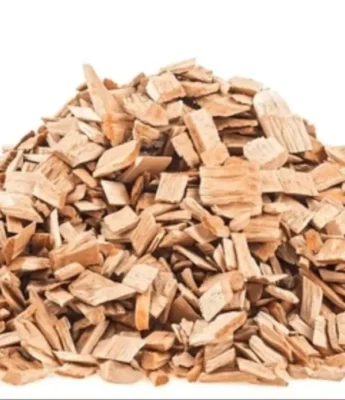
Erosion control through wood chip application protects valuable topsoil from water and wind damage. Wood chips prevent soil erosion by reducing water runoff and providing a stable surface that protects against rain and wind impact. This protection proves particularly valuable on slopes, construction sites, and newly established landscapes.
The erosion prevention mechanism works through multiple pathways. Wood chips physically shield soil from raindrop impact, which can dislodge particles and initiate erosion. The chips slow water flow across the surface, allowing more time for infiltration rather than runoff. As water percolates through the chip layer, sediment settles out rather than washing away.
For erosion control on slopes, apply chips 10-15 centimetres thick and consider using erosion control fabric or netting beneath to hold everything in place until vegetation establishes. The wood chips buy time for roots to knit soil together while providing the moisture retention and temperature moderation that help plants establish quickly.
In landscaping and environmental management, chips are used to armor slopes, stabilize trails, and protect bare soil from rainfall impact and runoff. This application extends beyond private gardens to public spaces, construction sites, and restoration projects where soil protection matters critically.
Buy Quality Wood Chips Near You
Sourcing wood chips properly ensures you receive clean, appropriate material for your intended use. Free chips from tree services and municipalities represent an economical option, though quality varies considerably. These chips may contain leaves, small twigs, and occasionally undesirable materials depending on the trees serviced.
Purchased chips offer consistency and screening for size and species. Locally produced wood chips prove more cost-effective than imported mulches while supporting sustainability through reduced transportation emissions. Choosing regional suppliers aligns with modern preferences for locally-sourced materials.
At Wood-Břežany S.R.0, we prioritize quality control throughout our production process. Our chips come from known, sustainable sources with no treated wood, painted materials, or contaminated stock. We screen chips for consistent sizing appropriate to different applications, from fine chips for composting to coarser material for pathways.
When evaluating suppliers, ask about wood sources, treatment history, and storage conditions. Chips stored in large, wet piles may develop sour smells or harbour unwanted organisms. Fresh or properly aged chips smell clean and pleasant, indicating healthy decomposition processes.
We offer convenient online ordering with delivery across European markets. Whether you need a small quantity for trial or bulk loads for large properties, our flexible sizing accommodates every project scale. Check our frequently asked questions for details on minimum orders, delivery areas, and pricing structures.
Why Choose Wood Chips Over Other Mulches
Comparing mulching materials helps clarify when wood chips offer advantages over alternatives. Straw mulch decomposes quickly, benefiting annual vegetable gardens but requiring frequent replacement. Grass clippings provide immediate nitrogen but can mat and smell if applied too thickly. Bark mulch floats away easily and provides minimal nutrient value.
Wood chips strike a balance between longevity and benefit. Studies have found wood chips to be among the best performers in terms of moisture retention, temperature moderation, weed control, and sustainability. Their moderate decomposition rate means manageable maintenance combined with steady soil improvement.
Cost-effectiveness particularly favours wood chips for large-area applications. Covering extensive pathways, large garden beds, or commercial landscapes with premium mulches becomes prohibitively expensive. Wood chips provide similar benefits at a fraction of the cost, especially when purchased in bulk.
Environmental considerations also matter. Wood chips reuse what would otherwise become waste material, keeping organic matter out of landfills. The reuse of plant materials as mulches benefits both economic and environmental interests. Choosing chips supports circular economy principles and reduces your carbon footprint.
We also supply complementary products like firewood, wood pellets, and briquettes for customers seeking comprehensive wood fuel and garden solutions from a single trusted supplier.
Common Mistakes When Using Wood Chips
Avoiding pitfalls ensures you gain full benefits from wood chip applications. The most common mistake involves piling chips against tree trunks or plant stems. This creates moisture-retaining conditions perfect for rot, fungal disease, and pest harbourage. Always maintain a gap of 5-10 centimetres between chips and woody stems.
Another error involves using treated or painted wood chips. Some bagged mulches contain chemicals including pesticides and herbicides, or colourants that have no place in organic gardens. These chemicals leach into soil, potentially harming plants and soil organisms while contaminating produce in vegetable gardens.
Applying chips too thinly provides minimal benefit, while excessive depth can cause problems. Shallow applications (less than 5 centimetres) won’t suppress weeds effectively or retain moisture adequately. Very thick applications (more than 15 centimetres) can prevent oxygen reaching soil, create anaerobic conditions, and provide excessive pest habitat.
Some gardeners worry that wood chips will make soil acidic or tie up all available nitrogen, but these concerns are largely exaggerated when chips are used properly as surface mulch rather than mixed into soil. Understanding correct application methods prevents these issues.
Timing applications properly also matters. Apply chips after soil warms in spring rather than over cold, wet soil in early spring. This prevents delaying soil warming and keeps chips from becoming waterlogged. Refresh pathways and ornamental beds any time, but consider plant sensitivity when renewing vegetable garden mulch.
Key Takeaways
Understanding wood chip applications transforms how you approach garden maintenance and landscape management. These versatile materials work quietly to improve soil, suppress weeds, retain moisture, and create beautiful, functional outdoor spaces. By choosing appropriate chip types for specific applications and following best practices for depth and placement, you harness natural processes that reduce workload while enhancing results.
The sustainability factor cannot be overstated. Wood chips represent renewable resources that close waste loops and build soil rather than depleting it. Every cubic metre of chips you apply diverts organic matter from landfills while improving your property’s ecological health. This alignment of personal benefit with environmental responsibility makes wood chips an increasingly popular choice among conscious gardeners.
At Wood-Břežany S.R.0, we’re committed to supplying premium wood chips, sawdust, shavings, and related products that meet exacting quality standards. Our experience serving European markets gives us insights into what works across diverse climates and applications. We’re not just suppliers but partners in your gardening success.
Frequently Asked Questions
How Long Do Wood Chips Last as Mulch?
Wood chip longevity depends on chip size, wood species, and climate conditions. Generally, a 5-7 centimetre layer lasts 1-2 years before requiring refreshment. Hardwood chips decompose more slowly than softwood varieties, potentially extending their effective lifespan to 2-3 years. In hot, humid climates, decomposition accelerates compared to cooler, drier regions. Rather than viewing decomposition as a problem, recognize it as the process delivering soil improvement benefits. Simply add fresh chips atop the decomposing layer to maintain desired depth while allowing lower layers to enrich your soil naturally.
Can I Use Wood Chips in Vegetable Gardens?
Yes, wood chips work excellently in vegetable gardens when applied correctly. Use chips primarily on pathways between beds or as mulch around established plants, avoiding direct contact with young seedlings. Some vegetables like tomatoes, peppers, and squash benefit from wood chip mulch once plants reach 15-20 centimetres height. The chips keep soil moist, prevent muddy splashing onto leaves, and suppress weeds effectively. For annual vegetable rotations, apply chips more lightly (3-5 centimetres) than in permanent plantings, making bed renovation easier each season.
Do Wood Chips Attract Termites?
Wood chips can provide habitat for termites, though the risk is often overstated. When wood chips are used adjacent to buildings, they may serve as a hospitable environment for termites, so keep mulch at least 15 centimetres away from foundations. In garden beds away from structures, termite activity in wood chips rarely causes problems since they’re feeding on the chips rather than seeking structural wood. Subterranean termites, the type most likely to damage buildings, prefer buried wood with soil contact. Surface mulch presents less attraction than buried timbers or wood-to-soil contact points. Regular monitoring and maintaining clear zones near buildings provides adequate protection.
Should I Use Fresh or Aged Wood Chips?
Both fresh and aged chips have appropriate applications. Fresh chips work excellently for pathways and around established trees and shrubs. Fresh conifer chips may contain compounds that reduce germination and harm young plants, so age them for several months before using them around establishing plants or seedlings. For vegetable gardens and annual beds, aged chips (composted 6-12 months) prove safer and more immediately beneficial. The aging process breaks down potentially problematic compounds while initiating nutrient release. However, don’t let chip age prevent using fresh material where appropriate, as most applications tolerate fresh chips without issues.
How Thick Should Wood Chip Mulch Be?
Optimal wood chip depth varies by application. Garden bed mulching requires 5-7 centimetres for effective weed suppression and moisture retention without restricting oxygen flow to soil. Pathways benefit from 7-10 centimetres, providing comfortable walking surfaces that suppress vegetation. Erosion control applications may need 10-15 centimetres on slopes or vulnerable areas. Avoid exceeding 15 centimetres anywhere, as excessive depth can create anaerobic conditions, harbour excessive pests, and prevent water infiltration. Start conservatively and add more if needed rather than applying too much initially. Measure depth after chips settle, as freshly applied chips compress significantly within weeks.
Where Can I Source Free Wood Chips?
Free wood chips come from several sources. Local tree service companies often deliver chips free since disposal costs money otherwise. Municipal forestry departments generate chips from street tree maintenance and may offer free delivery. Utility companies clearing power line corridors produce large quantities. However, free chips vary in quality and may contain undesirable materials. Contact our team at Wood-Břežany S.R.0 for consistently high-quality chips screened for size and species. While not free, our competitive bulk pricing, combined with quality assurance, often represents better value than managing variable free sources.
Can Wood Chips Be Used for Animal Bedding?
Wood chips make excellent animal bedding for many species. They provide comfort, excellent absorbency, natural insulation, and durability for livestock, poultry, and small animals. Choose species carefully, as some woods contain compounds harmful to specific animals. Avoid black walnut chips for horses, and cedar chips for small rodents due to respiratory concerns. Pine, spruce, and mixed hardwood chips work well for most applications. We offer dedicated animal bedding wood shavings screened to appropriate sizes, and guaranteed free from treated wood or contaminants that could harm your livestock or pets.
References
- Melissa K. Norris. (2024). Wood Chips for Garden Mulch. Practical Homesteading Resources.
- Washington State University Extension. Using Arborist Wood Chips as Landscape Mulch. WSU Extension Publications.
- Epic Gardening. (2024). The Pros and Cons of Wood Chip Mulch. Garden Expert Resources.
- Oklahoma State University. (2017). Mulching with Wood Chips. OSU Extension Service.
- Rural Sprout. (2025). Is It Safe to Mulch Veggies with Wood Chips?. Sustainable Gardening Resources.
- Woodland Mills. What to Do With Wood Chips. Forestry Equipment Resources.
- Gardener Bible. (2025). Can Wood Chips Be Composted?. Composting Expert Guide.
Ready to transform your garden with premium quality wood chips? Contact Wood-Břežany S.R.0 today to discuss your project needs. We deliver across Europe and offer bulk discounts for large orders. Visit our online shop to browse our complete range of wood products, from chips and shavings to pellets and firewood. Your garden’s transformation starts with one simple order.