

 Čeština
 Deutsch
 Română
 Polski
 Italiano
 Español
 Nederlands
 Magyar
 Slovenčina
 Slovenščina
 Hrvatski
Are Wood Chips Good for Your Garden? Pros and Cons | Wood-Břežany S.R.0
Are Wood Chips Good for Your Garden? Learn the benefits and drawbacks of wood chip mulch, best application methods, and expert tips to help you decide. Transform your garden with premium wood chips online. Suppress weeds naturally, retain moisture, and enrich soil while creating beautiful pathways. Our sustainably sourced wood chips offer eco-friendly solutions for every gardener.
Key Takeaways
Using wood chips as garden mulch offers compelling benefits for moisture retention, weed suppression, and soil health, but understanding proper application methods prevents potential nitrogen depletion issues. Research from UC Master Gardeners demonstrates that wood chips suppress annual weeds, conserve soil moisture, and add organic matter when applied correctly. When applied as surface mulch (rather than mixed into soil), wood chips create optimal growing conditions for established plants while building long-term soil fertility.
What Are Wood Chips and Why Use Them for Garden Mulch?
Wood chips represent one of nature’s most valuable gardening materials. These organic pieces of chipped or shredded wood come from various tree species and offer numerous applications in landscape design. At Wood-Břežany S.R.O., we specialise in providing premium quality wood chips that transform ordinary gardens into thriving ecosystems.
The science behind wood chip effectiveness stems from their ability to mimic natural forest floor conditions. According to gardening experts, wood chip mulch simulates the same process that occurs on the forest floor, one of the richest environments around. When trees naturally drop branches and leaves, they create a protective layer that nourishes soil organisms and regulates growing conditions.
Modern gardeners have embraced wood chips because they provide sustainable, cost-effective solutions for multiple challenges. From suppressing persistent weeds to moderating soil temperature extremes, these versatile materials deliver results without chemicals or intensive labour.
Types of Wood Chips Available
Different wood chip varieties serve distinct purposes. Hardwood chips from oak, beech, or maple decompose more slowly and work exceptionally well for long-lasting pathways. Softwood chips from pine or spruce break down faster, releasing nutrients more quickly. At our online shop, we offer carefully selected varieties including pine wood chips and alder wood chips, each chosen for specific garden applications.
Buy Wood Chips Online: Benefits That Transform Gardens
When you buy wood chips online from reputable suppliers, you gain access to professionally processed materials that deliver consistent results. Let’s examine the proven advantages backed by horticultural research.
Superior Weed Control Without Chemicals
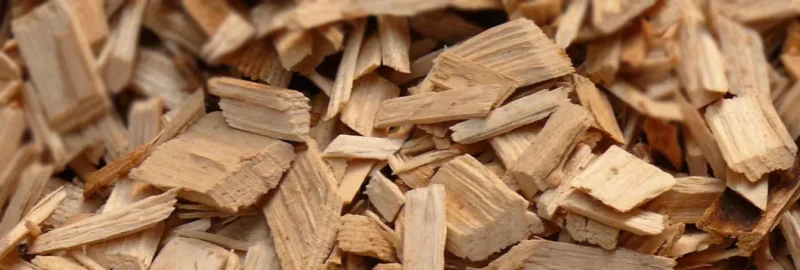
Wood chips excel at suppressing weeds through multiple mechanisms. Research confirms that a layer of wood chip mulch at least 3 to 4 inches thick properly smothers weeds by blocking sunlight. This physical barrier prevents weed seeds from germinating while simultaneously starving existing weeds of the light energy they require for photosynthesis.
The nitrogen-depleted zone created at the mulch-soil interface actually works in your favour for weed control. Washington State University research indicates that nitrogen-depleted soil reduces the number of weed seeds that germinate, as weed seeds cannot access nutrients needed to sprout. This natural suppression means dramatically fewer weeds without herbicides.
For our customers creating garden pathways, we recommend wood chips for animal bedding grade materials, which provide excellent compaction resistance while maintaining weed suppression properties.
| Application Area | Recommended Depth | Primary Benefit | Maintenance Frequency |
|---|---|---|---|
| Garden Beds | 4-6 inches | Weed suppression + moisture | Annual top-up |
| Pathways | 3-4 inches | Clean walking surface | Bi-annual refresh |
| Tree Rings | 3-5 inches | Root protection | Every 18 months |
| Vegetable Gardens | 2-3 inches (with compost buffer) | Moisture + nutrients | Seasonal refresh |
| Perennial Borders | 4-6 inches | Long-term soil building | Annual assessment |
Exceptional Moisture Retention During Drought
One of the most valuable benefits involves water conservation. Wood chip mulch acts like a protective blanket, dramatically reducing evaporation from soil surfaces. Gardeners in Southern California report that vegetables mulched with wood chips need irrigation far less frequently than expected during dry winters.
This moisture retention becomes increasingly critical as climate patterns shift and water costs rise. A properly mulched garden bed can reduce watering requirements by 30 to 50 percent during summer months, translating to substantial water savings while keeping plants healthier during heat stress.
For those maintaining larger properties, combining wood pellets for heating with wood chip mulching creates a comprehensive sustainable property management system.
Soil Temperature Moderation for Plant Health
Temperature fluctuations stress plant roots and soil organisms. Wood chips buffer against these extremes by insulating the soil surface. During scorching summer days, mulched soil remains significantly cooler than bare ground. Conversely, during cold snaps, the insulating layer protects root systems from freeze-thaw cycles that damage plant tissues.
Horticultural research published in the Journal of Environmental Horticulture confirms that wood chip mulch moderates soil temperature while increasing nutrients over time. This temperature stability allows beneficial microorganisms to remain active longer throughout the growing season.
Organic Matter Addition and Soil Structure Improvement
Perhaps the most underappreciated benefit involves long-term soil fertility enhancement. As wood chips gradually decompose, they release carbon compounds that feed soil microorganisms. These organisms, in turn, create humus, the dark, stable organic matter that gives healthy soil its characteristic structure.
The decomposition process also develops beneficial fungal networks. These mycorrhizal associations help plants access nutrients more efficiently while building disease resistance. Gardens mulched consistently with wood chips develop increasingly rich, friable soil that requires less fertiliser input over time.
Best Wood Chips for Garden Pathways: Creating Functional Beauty
Garden pathways deserve special consideration when selecting wood chip materials. Paths must balance aesthetic appeal with practical durability while remaining comfortable underfoot.
Choosing Wood Chips for High-Traffic Areas
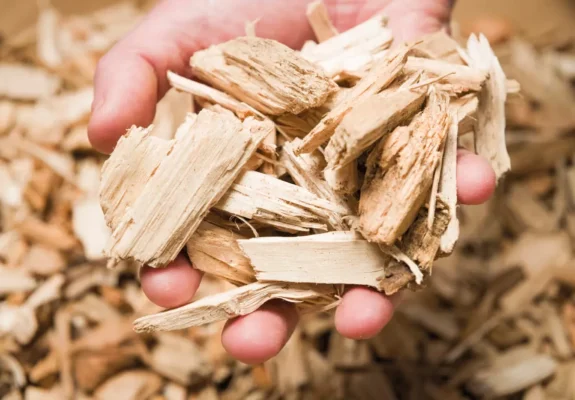
For paths that receive regular use, select larger-grade chips (minimum half-inch diameter) that resist compaction. University of California research recommends coarse wood chips (no less than half-inch diameter) so water and air can move freely through them. These larger particles maintain their structure under foot traffic while providing excellent drainage.
We offer hardwood mulch suppliers UK quality materials specifically processed for pathway applications. These chips deliver years of service with minimal maintenance.
Installing Wood Chip Pathways: Step-by-Step Guide
Creating professional-quality pathways involves proper preparation. Experts recommend beginning by excavating the pathway and spreading a base layer of wood chips approximately 2 inches thick to provide a stable walking surface. This foundation layer then gets compacted gently before adding the final surface layer.
For enhanced weed suppression in pathways, consider laying cardboard beneath the chips. This biodegradable barrier provides additional weed control during the first growing season while eventually decomposing to enrich the soil. Our customers frequently report that well-constructed wood chip paths require remarkably little maintenance compared to traditional gravel or paving.
If you’re interested in comprehensive property solutions, explore our guide on what are wood chips used for to understand their full potential beyond pathways.
How to Use Wood Chips as Mulch Without Nitrogen Depletion
The most persistent myth surrounding wood chips involves nitrogen depletion. Understanding the actual science allows you to harness benefits while avoiding potential problems.
The Nitrogen Myth: Separating Fact from Fiction
Scientific research definitively shows that wood chips will not draw nitrogen from soil unless they are incorporated into it, and when used as surface mulch, arborist chips have no effect on underlying soil nitrogen levels except to increase them over time. This finding comes from multiple university studies and represents the scientific consensus.
The confusion arises because nitrogen depletion does occur in a very shallow zone where wood chips contact soil, typically just 5 to 10 millimetres deep. Research confirms that bacteria decomposing wood only affect nitrogen levels about 5 millimetres deep when wood sits on top of soil. This surface zone actually benefits weed control without affecting deeper-rooted plants.
Proper Application Methods for Different Plant Types
Established trees, shrubs, and perennials benefit immensely from wood chip mulch applied directly around their base. Their extensive root systems extend well below the shallow nitrogen-affected zone. Apply chips in a donut pattern, keeping them several inches away from stems and trunks to prevent moisture-related diseases.
Vegetable gardens require a modified approach. Vegetable gardeners should use wood chips successfully by placing a buffer layer of compost between the soil and wood chips, as most vegetables have shallow roots placed directly in the nitrogen-depleted zone. This compost layer provides nutrients while the wood chips above deliver moisture retention and weed suppression.
Annual flowers and first-year perennials fall into the same category as vegetables. Wait until plants establish themselves (typically 6 to 8 weeks after planting) before mulching around them, or use the buffer layer method from the start.
The Mulch Sandwich Method for Young Plants
Gardeners concerned about nutrient availability can implement a “mulch sandwich” system. Start by spreading 1 to 2 inches of well-rotted compost or aged manure directly on the soil. Then add 3 to 4 inches of wood chips on top. This layered approach provides immediate nutrients at root level while delivering all the benefits of wood chip mulch.
This technique works exceptionally well when establishing new garden beds or planting young trees and shrubs. The nutrient-rich bottom layer supports vigorous early growth while the protective wood chip layer above creates optimal growing conditions.
For those managing livestock facilities, our wood shavings for poultry bedding provide complementary solutions that can later be composted and incorporated into your mulch sandwich system.
Where to Buy Wood Chips Near Me: Sourcing Quality Materials
Finding reliable wood chip sources makes the difference between frustration and success. Several options provide access to these valuable materials.
Free Wood Chips from Arborist Services
Tree service companies generate enormous quantities of wood chips during routine operations. Many arborists gladly deliver chips free of charge, as disposal otherwise costs them money. Arborist chips that are stockpiled even for a few days undergo severe pathogen reduction through microbial attack within the pile, making them safe for garden use.
Contact local tree services directly and request to be added to their delivery list. Services like ChipDrop connect homeowners with arborists needing disposal locations. Expect to receive a substantial load (often 10 to 20 cubic yards), so coordinate with neighbours if you cannot use the entire delivery.
Purchasing Premium Wood Chips Online
For consistent quality and convenience, buying wood chips online from specialised suppliers offers significant advantages. At Wood-Břežany S.R.O., we carefully source and process our wood chips to ensure optimal characteristics for garden applications.
Our pine wood chips come from sustainably managed forests and arrive properly sized for immediate use. We also stock pecan wood chips and oak wood chips for those seeking specific properties or aesthetic preferences.
What to Avoid When Sourcing Wood Chips
Not all wood chips suit garden applications equally well. Avoid chips from black walnut trees, as they contain juglone, a biochemical compound that inhibits growth in many garden plants. Similarly, be cautious with chips from diseased trees if applying near susceptible species.
Treated lumber chips, landscape recycling yard materials mixed with trash, and chips containing poison ivy or thorny species should also be avoided. When sourcing free chips, always ask about the source material. Reputable arborists track what they chip and can provide this information.
Which Wood Chips Are Best for Vegetable Gardens?
Vegetable gardens present unique challenges that require thoughtful wood chip selection and application strategies.
Selecting Appropriate Chip Sizes
Smaller to medium-sized chips work best in vegetable gardens where you need to move mulch aside periodically for planting. Chips ranging from quarter-inch to one-inch diameter provide good coverage without making cultivation difficult. Excessively large chunks create gaps where weeds can establish and prove cumbersome when preparing beds for planting.
Aged vs Fresh Wood Chips for Vegetables
Many experienced gardeners prefer aged chips (composted for 6 to 12 months) for vegetable applications. The initial decomposition phase has already occurred, reducing any nitrogen competition concerns. Aged chips also integrate more smoothly with vegetable garden aesthetics.
However, fresh chips work perfectly fine when applied with the buffer layer method described earlier. The choice often depends more on availability and personal preference than on absolute necessity.
Path and Bed Applications in Vegetable Gardens
Progressive gardeners use wood chips primarily for pathways between raised beds, then harvest the decomposed chips from pathway bottoms as finished compost for bed top-dressing. This system creates a continuous nutrient cycle where wood chips first suppress weeds and prevent mud in paths, then eventually nourish growing beds.
For in-bed mulching, apply chips between established plants once they have reached 6 to 8 inches tall. Keep chips pulled back several inches from stems to prevent moisture-related issues. As harvest season ends, incorporate partially decomposed chips into the soil while fresh chips get added to pathways, continuing the cycle.
Those interested in comprehensive organic growing systems should explore our resources on best wood pellets UK for complementary heating and composting applications.
How Long Do Wood Chips Last in Your Garden?
Understanding decomposition rates helps with maintenance planning and budgeting.
Factors Affecting Wood Chip Longevity
Multiple variables influence how quickly wood chips break down. Hardwood chips typically last 18 to 36 months before requiring replenishment, while softwood chips decompose in 12 to 24 months. Climate plays a significant role, with hot, humid conditions accelerating decomposition compared to cool, dry environments.
Chip size matters considerably. Larger pieces resist decomposition longer than finely shredded materials. Garden professionals note that wood chips break down and must be reapplied every year or two depending on conditions. This regular refresh cycle actually benefits gardens by continuously adding organic matter.
Maintenance and Replenishment Schedules
Plan to assess your wood chip mulch twice yearly (spring and autumn). Add fresh chips where depth has diminished below 2 inches in garden beds or 3 inches in pathways. This maintenance schedule keeps weed suppression effective while continuously building soil health.
Rather than viewing decomposition as a problem, recognize it as the mechanism delivering long-term soil improvement. Each decomposition cycle adds carbon, feeds beneficial organisms, and improves soil structure progressively year after year.
Are There Disadvantages to Using Wood Chips in Gardens?
Responsible gardening requires understanding potential drawbacks alongside benefits.
Pest Attraction and Management
Wood chips can harbour insects that may attack plants, including slugs, earwigs, sowbugs, and ants, particularly in areas with heavy infestations. However, these same mulches also provide habitat for beneficial insects that prey on garden pests.
For properties concerned about termites, maintain at least 6 inches of clearance between wood chip mulch and building foundations. Oklahoma State University Extension recommends keeping mulch 6 inches or more away from foundations and treating soil along foundations prior to spreading wood chips.
Managing pest issues involves monitoring populations and taking action when necessary. Encourage natural predators (ground beetles, centipedes, birds) by maintaining habitat diversity. For severe slug problems in vegetable areas, reduce mulch thickness or switch to alternative mulches during peak slug season.
Fungal Fruiting Bodies and Aesthetic Concerns
Wood chip mulch sometimes produces mushrooms, particularly after rainy periods. These fruiting bodies indicate healthy decomposition but concern some gardeners aesthetically. Unusual fungal fruiting bodies often appear on chips, including mushrooms, bird’s nest fungus, artillery fungus, and slime mold, though these are harmless to soil.
Most fungal activity benefits gardens by breaking down organic matter and forming beneficial associations with plant roots. Simply knock down visible mushrooms if they bother you, or embrace them as signs of thriving soil biology.
Initial Application Labour Requirements
Applying wood chips properly requires physical work, particularly for large areas. Budget time and energy (or helpers) for initial installation. A cubic yard of wood chips weighs approximately 500 to 800 pounds depending on moisture content and wood type.
However, this initial investment pays dividends through dramatically reduced maintenance afterwards. Gardens properly mulched with wood chips require far less weeding, watering, and cultivation than unmulched equivalents.
Order Wood Chips for Sale: Getting Started Today
Ready to transform your garden with wood chips? Here’s how to proceed successfully.
Calculating Your Wood Chip Requirements
Measure garden bed dimensions carefully. As a rule of thumb, one cubic yard of wood chips covers approximately 100 square feet at 3 inches deep, or 80 square feet at 4 inches deep. For pathways requiring deeper applications (4 to 6 inches), plan on one cubic yard per 50 to 65 square feet.
Delivery and Storage Considerations
Fresh wood chips can be applied immediately or stockpiled for later use. If storing chips, pile them loosely in a well-drained location away from buildings. Stockpiled chips undergo internal heating (reaching 130°F to 160°F) as decomposition begins. This process kills weed seeds and pathogens while pre-aging the material.
Allow at least 2 to 4 weeks of aging for stockpiled chips to cool before application if you prefer aged material. Turn the pile occasionally to promote even decomposition.
Complementary Products for Complete Garden Solutions
Combine wood chips with other sustainable products for comprehensive property management. Our wood pellets for heating provide efficient home heating, while wood briquettes offer exceptional value for fireplaces and wood stoves.
For animal bedding needs, explore our wood shavings online selection, which provides comfortable, absorbent bedding that can later be composted for garden use.
Frequently Asked Questions
What types of wood chips should I avoid in my garden?
Avoid wood chips from black walnut trees or their relatives (butternut), as they contain juglone, which inhibits growth in tomatoes, potatoes, peppers, and many other garden plants. Also avoid chips from treated lumber, as chemicals can leach into your soil. Cedar chips can acidify soil over time, making them less suitable for alkaline-preferring plants. Always verify the source of free wood chips and ensure they don’t contain diseased material, poison ivy, or thorny species that could cause problems later.
Can I use wood chips directly in my vegetable garden beds?
Wood chips work well in vegetable gardens when there is a buffer layer between the soil and the chips, as most vegetables have shallow roots that would otherwise be placed directly in the nitrogen-depleted zone. Apply 1 to 2 inches of compost or aged manure first, then add 2 to 3 inches of wood chips on top. This layered approach provides nutrients for vegetables while delivering moisture retention and weed suppression benefits. Alternatively, wait until vegetable seedlings reach 6 to 8 inches tall before carefully mulching around (not touching) their stems.
How deep should wood chip mulch be applied?
Optimal depth varies by application. For garden beds and around established trees and shrubs, apply 4 to 6 inches of wood chips for maximum weed suppression and moisture retention. For pathways, a layer at least 3 to 4 inches thick ensures proper weed smothering and creates a comfortable walking surface. In vegetable gardens with the buffer layer method, 2 to 3 inches of wood chips suffices. Always keep mulch pulled back 2 to 3 inches from plant stems and tree trunks to prevent moisture-related diseases. For first-time applications, start with minimum depths and add more as you observe results.
Will wood chips attract termites to my property?
Termites show minimal interest in wood chips as food sources. Research indicates that termites do not eat wood chips unless they have no choice, as they are negatively affected by some chemicals wood contains, and wood chip mulches actually house beneficial insects that naturally control pests. As a precaution, maintain at least 6 inches of clearance between wood chip mulch and building foundations. Properly applied wood chips around landscaping present minimal termite risk while delivering substantial gardening benefits.
How often do I need to replace wood chip mulch?
Wood chips typically break down and require reapplication every one to two years depending on chip size, wood type, and climate conditions. Assess mulch depth twice yearly (spring and autumn) and add fresh chips wherever depth has diminished below recommended levels. Rather than removing old chips, simply top-dress with new material. The decomposing lower layers enrich your soil while fresh chips above continue providing protection. This continuous cycle builds soil health year after year without removing valuable organic matter.
Conclusion: Making Wood Chips Work for Your Garden
Wood chips represent one of the most valuable, versatile materials available to modern gardeners. When applied with understanding of their properties and proper technique, they transform landscapes by suppressing weeds, conserving water, moderating temperatures, and progressively building soil health.
The key to success lies in matching application methods to your specific garden situation. Established trees, shrubs, and perennials thrive with direct wood chip mulch. Vegetable gardens and annual beds benefit from the buffer layer approach. Pathways gain beauty and functionality from properly installed wood chip surfaces.
At Wood-Břežany S.R.O., we remain committed to providing premium quality wood chips that deliver exceptional results for European gardeners. Our carefully sourced materials come from sustainably managed forests and arrive ready for immediate application.
Whether you’re establishing new gardens, maintaining existing landscapes, or creating beautiful pathways, order wood chips online today and experience the transformative power of this remarkable natural material. For questions about which products best suit your specific needs, please contact us to speak with our knowledgeable team.
References
- UC Master Gardeners of Sacramento County. (2025). Wood Chips: Pros and Cons. University of California Agriculture and Natural Resources. https://ucanr.edu/site/uc-master-gardeners-sacramento-county/wood-chips-pros-and-cons
- Epic Gardening. (2024). The Pros and Cons of Wood Chip Mulch. https://www.epicgardening.com/wood-chip-mulch/
- Learning and Yearning. (2025). 10 Common Mistakes When Using Wood Chips in Your Vegetable Garden. https://learningandyearning.com/mistakes-when-using-wood-chips-in-your-vegetable-garden/
- Do Not Disturb Gardening. Do Wood Chips Deplete Soil of Nitrogen? Here Are the Facts! https://donotdisturbgardening.com/do-wood-chips-deplete-soil-of-nitrogen-here-are-the-facts/
- University of California Agriculture and Natural Resources. (2025). Myths of Mulch. Topics in Subtropics. https://ucanr.edu/blog/topics-subtropics/article/myths-mulch
- Idaho Press. (2020). Weed it and reap: Use wood chips for weed control. https://www.idahopress.com/community/life/weed-it-and-reap-use-wood-chips-for-weed-control/
- Practical Self Reliance. (2025). Gardening with Wood Chips. https://practicalselfreliance.com/gardening-with-wood-chips/