

 Čeština
 Deutsch
 Română
 Polski
 Italiano
Wood Pellet Energy Explained: A Complete Guide for Europe | Wood-Břežany S.R.0
Transform your heating approach with premium wood pellet energy solutions from Wood-Břežany S.R.0. We specialize in delivering ENplus A1 certified wood pellets across European markets, offering sustainable, cost-effective heating alternatives to traditional fossil fuels. Our comprehensive range includes biomass wood pellets, industrial-grade heating solutions, and residential heating pellets that meet strict European quality standards. With wood pellet consumption in the EU projected to reach 23.45 million metric tons in 2025, now is the perfect time to transition to renewable energy. We provide complete transparency through our certified supply chain, ensuring you receive consistent quality from production to delivery. Choose sustainable heating that reduces carbon emissions while providing reliable warmth for your home or business.
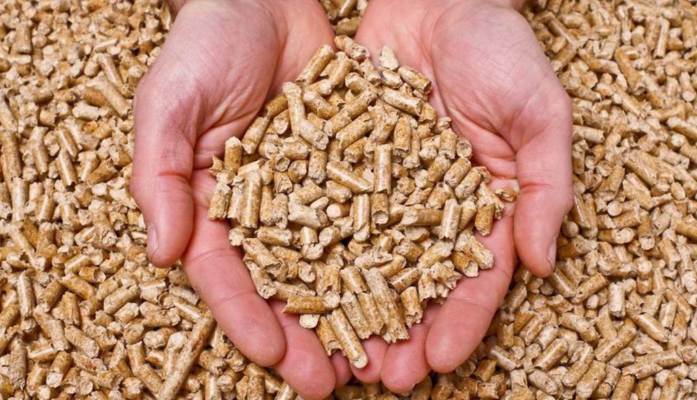
Wood Pellet Energy Explained: A Complete Guide for Europe
Wood pellet energy has emerged as one of Europe’s most promising renewable heating solutions, transforming how millions of households and businesses approach sustainable warmth. As energy independence becomes increasingly critical across European nations, understanding the fundamentals of wood pellet heating can help you make informed decisions about your energy future. At Wood-Břežany S.R.0, we have witnessed firsthand the remarkable transformation of the biomass heating sector and remain committed to delivering premium quality pellets that meet the highest European standards.
The European wood pellet market stands at a pivotal moment. According to recent data from the USDA, consumption across the European Union is expected to rebound significantly in 2025, reaching 23.45 million metric tons with substantial increases for both residential and industrial applications. This growth reflects a broader shift toward renewable energy sources, driven by stringent emissions policies, rising fossil fuel costs, and the urgent need for energy security. Understanding how wood pellet energy works, its benefits, and how to select the right products can position you advantageously in this evolving energy landscape.
What Is Wood Pellet Energy and How Does It Work?
Wood pellet energy harnesses the natural heating power of compressed biomass. These small, cylindrical pellets are manufactured from compressed sawdust and wood chips, typically measuring 6 to 8 millimeters in diameter and 3.15 to 40 millimeters in length. The manufacturing process involves grinding wood residues into fine particles, drying them to optimal moisture levels (typically below 10%), and then compressing them under high pressure. This compression activates the natural lignin in wood, which acts as a binding agent, creating dense, uniform pellets without requiring additional chemical adhesives.
When you burn wood pellets in specialized heating systems such as pellet stoves, boilers, or furnaces, the tightly compressed biomass releases significant energy. The high energy density of quality pellets (typically 4.6 to 5.3 kilowatt-hours per kilogram) makes them remarkably efficient compared to traditional firewood. Modern pellet heating systems feature automated feed mechanisms that deliver pellets from storage hoppers directly into combustion chambers, maintaining consistent temperatures without constant manual intervention. This automation represents a substantial improvement over traditional wood heating, offering convenience comparable to conventional oil or gas systems while maintaining the sustainability benefits of biomass energy.
The combustion process itself is highly controlled and efficient. Pellet burners introduce precise amounts of air to ensure complete combustion, minimizing smoke and maximizing heat output. According to research published by Biomass Conversion and Biorefinery, ENplus A1 certified pellets demonstrate superior combustion behavior in residential heating systems, producing minimal ash residue (less than 0.7% by mass) and significantly lower emissions compared to lower-grade alternatives.
Buy Wood Pellets Online: Understanding Quality Standards
When you decide to buy wood pellets online, understanding quality certifications becomes absolutely essential. The ENplus certification scheme, administered by the European Pellet Council, represents the gold standard for wood pellet quality in Europe. This comprehensive certification system covers the entire supply chain from production through delivery, ensuring consistent quality and traceability.
ENplus certification divides pellets into three distinct quality classes. ENplus A1 represents the premium tier, specifically designed for residential heating applications. These pellets must contain less than 0.7% ash content when tested at 550 degrees Celsius, maintain moisture levels below 10%, and demonstrate mechanical durability exceeding 98%. This premium quality ensures optimal performance in modern pellet heating systems, minimizing maintenance requirements and maximizing energy efficiency.
ENplus A2 pellets permit slightly higher ash content (up to 1.2% by mass) while still meeting rigorous European standards. These pellets work well for medium-scale commercial heating facilities where slightly higher ash production remains acceptable. The industrial-grade ENplus B classification allows ash content up to 3%, making these pellets suitable for large boiler houses and combined heat and power plants where robust ash handling systems can accommodate higher residue levels.
The importance of certification extends beyond simple quality metrics. According to Bioenergy Europe’s 2025 Pellets Statistical Report, ENplus certified pellets represented approximately 75% of the European residential heating market in 2024, with certified traders handling a record 7.5 million tons. This widespread adoption reflects consumer recognition that certified pellets deliver superior performance, reliability, and environmental benefits.
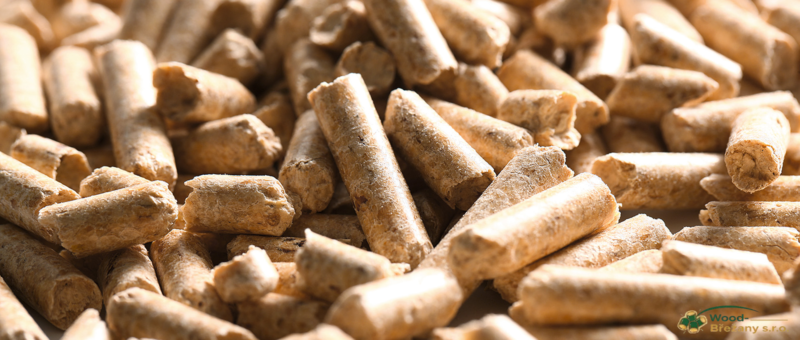
When you buy EN Plus A1 wood pellets from reputable suppliers like our company, you receive comprehensive quality assurance. Each certified batch includes detailed documentation tracking raw materials, production processes, and quality testing results. This transparency allows you to verify that your pellets meet specifications and originate from sustainably managed forests, supporting responsible forestry practices while reducing environmental impact.
Best Wood Pellets for Heating: What Makes Them Superior?
Identifying the best wood pellets for heating requires understanding several critical quality parameters. Moisture content stands as perhaps the most crucial factor affecting pellet performance. Premium pellets maintain moisture levels between 8% and 10%, ensuring efficient combustion and maximum heat output. Higher moisture content forces heating systems to expend energy evaporating water before generating useful heat, significantly reducing overall efficiency.
Consider this practical example. If you burn five tons of pellets per heating season, using pellets with 10% moisture content versus pellets with 15% moisture translates to receiving approximately 250 kilograms less actual fuel energy. This difference means more frequent refueling, higher costs, and reduced heating system efficiency. Quality certified pellets eliminate this concern through strict moisture control during production.
Ash content directly impacts maintenance requirements and system longevity. According to data from Balcas Energy, high-quality ENplus A1 pellets produce minimal residue, helping reduce cleaning frequency and extending the lifespan of biomass heating systems. Lower ash content means cleaner combustion chambers, reduced wear on mechanical components, and fewer service interruptions. Industrial facilities report cleaning intervals of one to two weeks with premium pellets, compared to every three to five days with lower-grade alternatives.
Mechanical durability measures how well pellets maintain their structural integrity during handling and transportation. The ENplus A1 standard requires minimum durability of 98%, meaning pellets resist breaking and crumbling. High durability minimizes the production of fine particles (fines) that can clog feeding mechanisms and reduce combustion efficiency. When examining pellets, premium products should resist crumbling when squeezed firmly between fingers, maintaining their cylindrical shape and smooth surface texture.
Bulk density affects storage requirements and transportation efficiency. Quality pellets typically achieve bulk density between 600 and 700 kilograms per cubic meter, significantly higher than wood chips or loose sawdust. This high density means you can store more energy in less space, reducing storage infrastructure costs. For residential applications, this translates to longer intervals between deliveries and reduced storage area requirements.
Raw material selection fundamentally influences pellet quality. Premium manufacturers use exclusively stem wood without bark, avoiding contamination from soil, stones, or excessive mineral content. Tree species selection matters as well. Softwoods like pine and spruce generally produce lighter-colored pellets with excellent heating properties, while hardwoods such as beech and oak create denser pellets with slightly different combustion characteristics. Both can achieve ENplus A1 certification when properly processed, though mixing different wood species requires careful quality management to maintain consistent specifications.
Where to Buy Wood Pellets for Heating in Europe
Finding reliable sources to buy wood pellets for heating has become increasingly straightforward as the European biomass market matures. We serve customers across multiple European markets, providing certified pellets through our comprehensive distribution network. Our online platform allows you to browse products, compare specifications, and place orders with complete transparency regarding pricing, delivery timelines, and product certifications.
Geographic considerations significantly influence pellet pricing and availability. According to Mordor Intelligence market analysis, the European wood pellet market was valued at approximately 16.36 billion USD in 2025 and is projected to reach 20.44 billion USD by 2030, growing at a compound annual growth rate of 4.55%. This growth has stimulated production capacity expansion across the continent, improving availability and price stability.
Germany represents Europe’s largest pellet heating appliance market, with an estimated 738,000 pellet-based heating systems installed as of 2024. The German Pellets Institute (DEPI) forecasts this number will increase to 760,000 units throughout 2025, driven by supportive government policies and building energy regulations. If you operate in the German market, you’ll find extensive infrastructure supporting pellet delivery, from bulk delivery services to convenient bagged products at retail locations. Check our German wood pellets category for localized options.
Eastern European markets, including Czechia, Poland, Slovakia, and Croatia, have experienced substantial growth in pellet adoption. Government subsidies for boiler replacements, concerns about energy security following reduced Russian gas imports, and competitive pricing compared to fossil fuel alternatives have accelerated market development. These markets increasingly favor locally produced pellets, supporting regional economic development while reducing transportation-related emissions. Visit our Czech shop to explore products suitable for Central European markets.
Southern European markets demonstrate different characteristics. Italy historically represented the leading European market for household wood pellet use, though consumption has moderated from peak levels. Spanish and Portuguese markets show steady growth, particularly in regions with limited natural gas infrastructure. Mediterranean climates require smaller seasonal pellet volumes compared to Northern Europe, but mild winters make pellet heating highly cost-effective when used selectively during colder months.
When selecting suppliers, prioritize those offering complete transparency regarding certifications, sourcing, and quality testing. Reputable suppliers provide detailed product specifications, certification documentation, and responsive customer service. Our commitment to these principles has established Wood-Břežany S.R.0 as a trusted partner for customers throughout Europe. Access our contact page for personalized assistance with product selection and delivery logistics.
How Much Do Wood Pellets Cost in 2025-2026?
Understanding wood pellet pricing helps you budget effectively and compare costs against alternative heating fuels. European pellet prices demonstrate significant regional variation influenced by production capacity, transportation distances, seasonal demand fluctuations, and local energy market conditions. According to data from Argus Media, European pellet markets experienced price adjustments throughout 2024 and early 2025, with expectations for relative stability as production capacity expands to meet growing demand.
For residential consumers purchasing bagged pellets, typical 2025 pricing ranges from 250 to 400 EUR per ton, depending on quality grade, certification level, and delivery location. Premium ENplus A1 certified pellets command higher prices reflecting superior quality and certification costs, but deliver better value through improved efficiency and reduced maintenance requirements. When evaluating costs, consider the total cost of ownership rather than simply comparing per-ton prices. Higher-quality pellets may cost 15 to 20% more initially but deliver 10 to 15% better energy efficiency, reduced ash handling costs, and extended equipment lifespan.
Bulk pellet purchases for larger heating systems or seasonal storage typically offer price advantages. Industrial and commercial consumers ordering multiple tons receive volume discounts, with prices potentially 20 to 30% lower than bagged products. However, bulk purchases require appropriate storage infrastructure, including weatherproof facilities with controlled humidity and adequate capacity. We assist customers in determining optimal order quantities and delivery schedules to balance cost savings against storage capabilities. Review our FAQ section for guidance on storage best practices.
Seasonal pricing patterns influence optimal purchasing timing. Pellet demand peaks during autumn and winter heating seasons, potentially creating supply constraints and price premiums. Strategic consumers often purchase pellets during summer months when demand moderates, securing lower prices and ensuring availability before winter demand intensifies. This approach requires adequate storage space but can generate savings of 10 to 15% compared to peak-season purchases.
Transportation costs represent a significant component of final pellet pricing, particularly for customers located far from production facilities. Pellet density provides advantages over other biomass fuels, but transportation still impacts delivered costs. Local or regional suppliers often provide better value for nearby customers, while larger national or international suppliers may offer competitive pricing through optimized logistics networks. When comparing suppliers, request delivered pricing including all transportation charges to make accurate cost comparisons.
Government incentives and support programs significantly affect net pellet heating costs in many European markets. Several countries offer subsidies for pellet heating system installation, tax credits for renewable energy use, or direct support for biomass fuel purchases. These programs vary substantially by country and region, making it essential to research available incentives in your specific location. Local energy authorities or biomass industry associations can provide detailed information about applicable programs.
Why Choose Wood Pellets Over Traditional Heating Fuels?
The decision to transition from fossil fuels to wood pellet heating involves weighing multiple factors, including environmental impact, cost competitiveness, energy security, and practical convenience. Wood pellets offer compelling advantages across all these dimensions, explaining their rapid adoption throughout European markets.
Environmental sustainability represents perhaps the most significant advantage of pellet heating. Unlike fossil fuels that release carbon sequestered underground for millions of years, wood pellets participate in the natural carbon cycle. Trees absorb carbon dioxide during growth, and burning pellets releases this recently captured carbon, creating a closed loop. According to analysis from Future Market Insights, residential and commercial heating applications account for approximately 62% of European wood pellet demand in 2025, driven by the critical importance of decarbonized heating solutions and renewable energy adoption mandates.
When sourced from sustainably managed forests and certified under schemes like FSC (Forest Stewardship Council) or PEFC (Programme for the Endorsement of Forest Certification), pellet production actually supports healthy forest ecosystems. Responsible forestry practices ensure harvest rates don’t exceed regrowth, maintaining forest carbon stocks while providing renewable energy resources. Our procurement practices prioritize sustainably sourced materials, ensuring your heating choices support environmental conservation rather than degradation.
Cost competitiveness varies by regional energy markets and specific heating requirements, but pellets increasingly compete favorably against fossil fuels. Natural gas prices experienced significant volatility throughout 2024 and 2025, driven by geopolitical uncertainties and infrastructure constraints. Oil heating faces similar price volatility plus increasing regulatory restrictions. Pellet prices demonstrate greater stability because production relies on widely distributed forest resources rather than concentrated fossil fuel deposits controlled by limited suppliers.
For a typical European household consuming 15,000 to 20,000 kilowatt-hours of heating energy annually, pellet heating can provide savings of 20 to 40% compared to oil heating and 10 to 30% compared to natural gas, depending on local fuel prices. These savings accumulate substantially over heating system lifespans of 15 to 20 years. Modern pellet heating systems require higher initial investment than conventional boilers, but government incentive programs in many European countries substantially reduce net costs, improving overall economic returns.
Energy independence and security have gained prominence following recent geopolitical disruptions affecting fossil fuel supplies. Wood pellets produced from local or regional forest resources reduce dependence on imported energy, supporting economic resilience and energy security. According to the USDA Wood Pellets Annual report, several European markets, including Czechia, Poland, and Slovakia, have accelerated pellet adoption specifically in response to energy independence goals and reduced access to Russian natural gas.
Convenience and automation in modern pellet heating systems rivals or exceeds conventional heating technologies. Automatic pellet boilers feature programmable thermostats, remote monitoring capabilities, and self-regulating combustion systems that maintain precise temperature control. Advanced models connect to smartphone applications, allowing you to monitor and adjust heating remotely. Automated ash removal systems in premium units reduce maintenance to occasional simple cleaning, comparable to or less demanding than oil heating maintenance requirements.
What Are the Different Types of Wood Pellets Available?
Understanding the diversity of wood pellet products helps you select options optimally matched to your specific heating applications. While ENplus certification provides standardized quality tiers, pellets also vary by raw material composition, manufacturing processes, and intended use cases.
Premium residential heating pellets represent the most common product category, specifically engineered for household pellet stoves and boilers. These pellets, typically certified ENplus A1, use carefully selected raw materials to ensure low ash content, consistent combustion properties, and minimal emissions. We offer several premium residential products including our buy EN Plus A1 wood pellets line, manufactured to the highest European quality standards.
Industrial-grade pellets serve larger heating installations such as district heating systems, commercial buildings, and industrial facilities. These pellets may carry ENplus A2 or even B certification, allowing slightly higher ash content while maintaining acceptable performance for large-scale applications equipped with robust ash handling systems. Industrial pellets often command lower per-ton prices than residential premium products, though the savings must be weighed against higher maintenance requirements and reduced combustion efficiency.
Specialty pellets address niche applications or specific performance requirements. Torrefied or black pellets undergo additional thermal treatment that increases energy density and improves water resistance, making them particularly suitable for long-distance shipping or humid storage environments. While more expensive than conventional pellets, torrefied products offer advantages for specific industrial applications. Agricultural pellets manufactured from straw, hay, or other crop residues provide alternatives to wood-based products, though these typically carry ENplus B or equivalent certifications due to higher ash and chlorine content.
Mixed species versus single-species pellets reflect different manufacturing approaches. Some producers blend multiple wood species to optimize combustion properties and manage raw material costs, while others maintain strict species consistency. Both approaches can achieve premium certification when properly managed. For residential users, blended pellets from reputable certified producers typically provide excellent performance at competitive prices. Industrial users with specific combustion requirements may prefer single-species consistency.
Softwood versus hardwood pellets present different characteristics. Softwood pellets (pine, spruce, fir) generally produce lighter-colored products with excellent energy content and low ash. Hardwood pellets (beech, oak, ash) create denser products with different combustion properties. Both can achieve ENplus A1 certification and deliver excellent heating performance. The choice often depends on regional wood availability and personal preferences regarding ash characteristics and visual appearance.
How to Store Wood Pellets Properly
Proper wood pellet storage directly affects fuel quality and heating system performance. Pellets demonstrate hygroscopic properties, meaning they readily absorb moisture from surrounding air. Even ENplus A1 certified pellets with optimal moisture content during production can degrade substantially if stored improperly, losing efficiency and potentially causing equipment problems.
Temperature and humidity control represent the most critical storage considerations. Ideal storage conditions maintain relative humidity below 60% with stable temperatures avoiding sharp fluctuations. At humidity levels exceeding 70%, pellets begin absorbing atmospheric moisture, swelling and potentially crumbling. Absorbed moisture reduces energy content, increases ash production, and can cause feeding mechanism blockages in automated systems.
According to wood pellet storage guidance, proper storage infrastructure includes weatherproof facilities protecting pellets from rain, snow, and ground moisture. Dedicated pellet storage buildings, silos, or weatherproof containers provide optimal protection. For residential applications storing bagged pellets, dry garages, basements, or sheds work effectively provided they maintain adequate protection from moisture and maintain suitable humidity levels.
Ventilation requirements balance moisture control against dust management. Storage areas need adequate air circulation to prevent humidity accumulation, but excessive airflow through pellet piles can create dust and gradual moisture absorption. Well-designed storage facilities provide controlled ventilation maintaining air quality without compromising pellet condition. Simple hygrometers (humidity meters) allow you to monitor storage conditions, providing early warning of potential moisture problems.
Bagged versus bulk storage suits different customer needs and facility capabilities. Bagged pellets in standard 15-kilogram bags offer convenience for residential users with limited storage space, providing easy handling and portion control. Bags themselves provide additional moisture protection, though proper storage still requires keeping bags off ground surfaces (use pallets) and protecting them from direct precipitation. Bulk storage in dedicated silos suits larger facilities, reducing packaging waste and typically lowering per-ton costs, but requires appropriate infrastructure and moisture management systems.
Rotation and inventory management ensure you consistently use pellets before extended storage potentially degrades quality. First-in-first-out inventory practices prevent pellets from aging excessively. When ordering pellets, consider realistic consumption rates and storage capabilities. Ordering quantities matching three to four months of consumption typically balances cost advantages of larger orders against extended storage duration.
Physical protection extends beyond moisture control. Store pellets away from strong odors (chemicals, petroleum products, fertilizers) that pellets might absorb. Avoid storage areas where mechanical damage or pest access might compromise pellet integrity. Elevated storage (off ground level) prevents water contact and reduces pest access, particularly important for agricultural buildings or semi-outdoor storage.
Which Countries Use Wood Pellets the Most in Europe?
European wood pellet consumption demonstrates significant geographic concentration, with established markets in Northern and Western Europe leading adoption while Eastern and Southern European markets show rapid growth trajectories. Understanding these regional patterns provides context for market development and highlights opportunities for continued expansion.
Italy historically represented Europe’s largest residential pellet market, with peak consumption supporting millions of households. According to USDA analysis, Italian residential pellet use has moderated from historical peaks but remains substantial, with established distribution networks and widespread consumer familiarity with pellet heating technologies. Italian consumers demonstrate strong preferences for premium-quality, light-colored pellets, driving demand for strictly certified products.
Germany leads European pellet production capacity while also representing a major consumer market. With approximately 738,000 pellet heating systems installed and forecasts predicting growth to 760,000 units in 2025, Germany combines robust domestic production with substantial import volumes meeting market demands. German building energy regulations increasingly favor renewable heating solutions, creating continued growth opportunities. Access detailed information about German market products through our German pellets category.
Denmark demonstrates particularly strong industrial pellet consumption for power generation and district heating applications. Large-scale conversion of coal plants to biomass has created substantial industrial demand. Danish consumers and policymakers emphasize sustainability credentials, driving demand for certified pellets with verified sustainable sourcing. According to Argus Media reporting, Danish industrial pellet imports are expected to rise in 2025 as facilities expand biomass utilization.
Poland, Czechia, and Slovakia represent rapidly growing Eastern European markets. These countries have accelerated pellet adoption following energy security concerns and government incentive programs supporting renewable heating. Pellet consumption in Czechia increased substantially due to boiler subsidies and shifting away from fossil fuel dependence. These markets show strong potential for continued expansion as infrastructure develops and consumer awareness grows. Explore our Czech language products tailored to Central European customers.
France presents a substantial and growing market despite policy uncertainties affecting growth rates. France maintains significant residential pellet heating adoption supported by various government programs, though frequent policy changes in 2024 temporarily affected consumer confidence. The market demonstrates resilience with strong long-term growth prospects as renewable heating mandates continue strengthening.
Austria shows high per-capita pellet consumption relative to population, reflecting strong government support, well-developed distribution infrastructure, and cultural affinity for biomass heating. Austrian producers maintain strict quality standards and the market demonstrates sophisticated consumer understanding of pellet quality parameters.
United Kingdom represents a significant though somewhat variable market. UK pellet consumption serves both residential and industrial applications, with substantial imports meeting domestic demand. Policy support for renewable heating has fluctuated, creating some market uncertainty, but long-term decarbonization commitments support continued growth. British consumers demonstrate increasing sophistication in understanding certification importance and quality specifications.
When Is the Best Time to Buy Wood Pellets?
Strategic timing of pellet purchases can generate substantial cost savings while ensuring reliable supply during heating seasons. Understanding seasonal demand patterns, pricing cycles, and storage capabilities allows you to optimize purchasing decisions.
Summer months (May through August) typically offer the most favorable purchasing conditions for residential consumers. Heating demand reaches annual lows during warm weather, reducing pressure on pellet supplies and often prompting producers and distributors to offer promotional pricing to maintain cash flow and inventory turnover. Summer purchases can generate savings of 10 to 15% compared to peak winter pricing, provided you possess adequate storage capacity.
The primary consideration for summer purchasing involves storage infrastructure. Pellets purchased in July require protection until heating season begins in October or November, necessitating five or six months of proper storage. If you maintain suitable dry storage facilities, summer purchasing makes excellent economic sense. However, customers lacking appropriate storage should carefully evaluate whether potential savings justify storage infrastructure investments or risks associated with inadequate storage conditions.
Early autumn (September and early October) represents another strategically favorable purchasing window. As heating season approaches, demand begins increasing but hasn’t yet reached peak levels. This timing allows you to secure pellets before winter supply constraints potentially emerge while requiring shorter storage duration compared to summer purchases. Many suppliers offer early-season ordering programs providing price certainty and delivery scheduling advantages.
Late autumn and winter (November through February) typically see peak demand and the highest pricing. Cold weather drives maximum heating usage, creating strong competition for available supplies. During severe cold snaps or winter storms, temporary supply shortages can emerge in some markets. Purchasing during this period often means accepting premium prices and potentially experiencing delivery delays. Emergency purchases during winter cold spells sometimes command significant price premiums.
Spring months (March and April) present transition periods as the heating season ends. Pricing often moderates from winter peaks but typically hasn’t reached summer lows. This timing suits customers who underestimated winter consumption and need supplemental purchases, or those planning ahead for the following heating season with earlier-than-summer purchasing.
Multi-year contracts or standing delivery arrangements offer alternatives to spot market purchasing. Some suppliers provide customers the option to establish scheduled deliveries at fixed or formula-based pricing, reducing exposure to seasonal price fluctuations. These arrangements suit customers preferring budget certainty and simplified logistics over potentially optimizing every purchase for minimum cost.
Consider your specific circumstances when timing purchases. Storage capacity, capital availability, consumption predictability, and risk tolerance all influence optimal timing. Customers with limited storage may prefer multiple smaller purchases through the heating season despite somewhat higher aggregate costs. Those with substantial storage capacity and capital should strongly consider summer purchasing to capture seasonal price advantages.
How Long Do Wood Pellets Last in Storage?
Understanding wood pellet longevity helps you plan purchase quantities and manage inventory effectively. Unlike fossil fuels that store indefinitely with minimal degradation, wood pellets require more careful management to maintain quality over extended periods.
Under optimal storage conditions (controlled humidity below 60%, stable temperature, protection from moisture and contamination), premium ENplus A1 certified pellets maintain excellent quality for 12 to 18 months. Some degradation may occur beyond this timeframe, though properly stored pellets often remain quite usable for 24 months or longer. The primary degradation mechanisms involve gradual moisture absorption even in controlled environments and slow breakdown of binding lignin, potentially increasing fines content.
Moisture absorption represents the most significant threat to long-term pellet quality. Even in relatively controlled environments, pellets gradually equilibrate with ambient humidity. Storage in basements with 50% relative humidity will slowly result in pellets reaching 8 to 9% moisture content (still within specifications) from initial 6 to 7% levels. Higher humidity accelerates this process and eventually pushes pellets beyond acceptable moisture specifications.
Practical indicators help you assess stored pellet condition. Visual inspection should reveal pellets maintaining cylindrical shape without excessive crumbling or swelling. Squeezing pellets between fingers should show firm resistance without easily crumbling. Excessive fines (dust and small particles) at storage container bottoms indicate mechanical degradation. If pellets develop musty odors, this signals moisture problems requiring immediate attention.
For residential consumers, typical storage needs rarely exceed one heating season. Most households order pellets in quantities matching several weeks to a few months of consumption, cycling through inventory well within optimal storage timeframes. This approach minimizes storage duration while providing adequate supply security. Our delivery flexibility supports these purchasing patterns, allowing customers to schedule deliveries matching consumption rates.
Bagged pellet storage generally extends the effective storage duration compared to bulk pellets because bags provide additional moisture barriers. However, bags themselves require proper storage (off ground surfaces, protected from direct moisture) to maintain this protective benefit. Plastic-wrapped pallets of bagged pellets can be stored effectively for 12 to 18 months when kept in dry, protected locations.
Bulk pellet storage in dedicated silos offers excellent protection when facilities are properly designed and maintained. Quality silos incorporate moisture barriers, controlled ventilation, and temperature management systems. These installations can maintain pellet quality for extended periods, supporting annual or even multi-year storage if necessary. However, bulk storage requires significant infrastructure investment, typically justifying only for large heating systems with substantial consumption.
Temperature cycling affects pellet storage stability. Facilities experiencing significant temperature variations (unheated garages, outdoor storage buildings) see greater degradation rates as temperature cycling drives moisture movement through condensation and evaporation cycles. Heated or climate-controlled storage provides optimal conditions, though dedicated climate control specifically for pellet storage rarely justifies costs for residential applications.
How efficient are wood pellets compared to natural gas?
Modern pellet heating systems typically achieve efficiency ratings between 85% and 95%, comparable to high-efficiency natural gas boilers. However, direct efficiency comparisons can be misleading because they don’t account for full energy lifecycle considerations. When evaluating total environmental impact, pellets offer significant advantages because their carbon emissions participate in the natural carbon cycle rather than releasing geological carbon. Economic efficiency depends heavily on regional fuel pricing, with pellets often providing cost advantages in markets where natural gas prices remain elevated.
Can you use wood pellets in a regular wood stove?
Standard wood stoves designed for firewood cannot effectively burn wood pellets. Pellets require specialized combustion systems incorporating controlled air delivery, automated fuel feeding, and appropriate grate designs. The small, dense pellets would simply fall through standard wood stove grates, and manual feeding would be impractical. However, pellet inserts exist that can convert existing fireplaces or wood stoves into pellet-burning systems, though complete pellet stove or boiler installations typically provide better performance.
How many pellets does a typical home use annually?
Annual pellet consumption varies dramatically based on climate, home size, insulation quality, and desired temperatures. A well-insulated 150-square-meter home in Central Europe typically consumes 3 to 5 tons of pellets annually for primary heating. Colder climates or larger homes may require 6 to 8 tons or more. Southern European homes with milder winters and selective heating use might consume only 1 to 3 tons. Precise consumption prediction requires assessing specific building characteristics and local climate conditions. According to analysis from the European Pellet Conference, more than 5.6 million European households relied on wood pellets for heating needs in 2024.
Are wood pellets really carbon neutral?
Wood pellet carbon neutrality depends entirely on sustainable forestry practices. When pellets come from sustainably managed forests where harvest rates don’t exceed regrowth, the carbon cycle remains balanced with carbon dioxide absorbed during tree growth offsetting emissions from burning. Certification schemes like ENplus include sustainability requirements helping ensure responsible sourcing. However, unsustainably harvested wood or pellets requiring excessive transportation energy may not achieve carbon neutrality. Choosing certified pellets from reputable suppliers like Wood-Břežany S.R.0 supports genuinely sustainable biomass heating.
How do wood pellet prices compare to heating oil?
Wood pellet pricing demonstrates significant regional variation, but pellets increasingly compete favorably against heating oil. As of 2025, pellet costs typically range from 250 to 400 EUR per ton across European markets. Heating oil prices have shown considerable volatility, with costs frequently exceeding 1,000 EUR per thousand liters. Converting these to energy-equivalent comparisons, pellets often provide 20 to 40% cost savings compared to heating oil, depending on specific local pricing and market conditions. Additionally, pellet prices show greater stability because they depend on widely distributed forest resources rather than concentrated petroleum markets.
Key Takeaways
Wood pellet energy represents a mature, reliable renewable heating solution suitable for diverse European applications, from individual households to large industrial facilities. Premium ENplus A1 certified pellets deliver optimal performance through strict quality control covering moisture content, ash production, mechanical durability, and combustion properties.
Selecting quality pellets from reputable certified suppliers ensures heating system longevity, operational efficiency, and environmental sustainability. The investment in premium pellets pays dividends through reduced maintenance costs, improved energy efficiency, and enhanced equipment lifespan.
Strategic purchasing timing, proper storage management, and understanding regional market dynamics help optimize the economic benefits of pellet heating. Summer and early autumn purchases typically provide cost advantages while ensuring adequate supply for heating seasons.
Environmental benefits extend beyond carbon cycle participation to include support for sustainable forestry, reduced air pollution compared to fossil fuels, and contribution to European energy independence. These broader benefits complement direct economic advantages, creating compelling reasons for pellet heating adoption.
At Wood-Břežany S.R.0, we remain committed to delivering premium certified pellets meeting the highest European quality standards. Our comprehensive product range, transparent quality documentation, and responsive customer service support your transition to sustainable biomass heating. Contact us today to discuss your specific heating requirements and discover how premium wood pellets can transform your energy approach.
Comparison Table: Wood Pellet Quality Standards
| Quality Parameter | ENplus A1 | ENplus A2 | ENplus B |
|---|---|---|---|
| Ash Content (550°C) | ≤0.7% by mass | ≤1.2% by mass | ≤3.0% by mass |
| Moisture Content | ≤10% | ≤10% | ≤10% |
| Mechanical Durability | ≥98.0% | ≥97.5% | ≥96.5% |
| Bulk Density | 600-750 kg/m³ | 600-750 kg/m³ | 600-750 kg/m³ |
| Diameter | 6-8 mm | 6-8 mm | 6-8 mm |
| Length | 3.15-40 mm | 3.15-40 mm | 3.15-40 mm |
| Fines Content (≤3.15mm) | ≤1.0% delivery | ≤1.0% delivery | ≤1.0% delivery |
| Net Calorific Value | ≥16.5 MJ/kg | ≥16.5 MJ/kg | ≥16.5 MJ/kg |
| Primary Application | Residential heating | Commercial heating | Industrial heating |
| Typical Price Range | 300-400 EUR/ton | 270-350 EUR/ton | 230-300 EUR/ton |
Frequently Asked Questions
What makes ENplus A1 certification important for wood pellets?
ENplus A1 certification guarantees premium quality through comprehensive standards covering the entire supply chain from raw material sourcing through final delivery. This certification ensures pellets contain less than 0.7% ash, maintain moisture levels below 10%, and demonstrate mechanical durability exceeding 98%. These stringent requirements translate to cleaner combustion, reduced maintenance needs, extended heating system lifespan, and superior energy efficiency. According to research from Biomass Conversion and Biorefinery, ENplus A1 pellets demonstrate optimal combustion behavior in residential heating systems, producing minimal emissions and ash residue.
Where can I buy certified wood pellets in Europe?
Certified wood pellets are available through specialized biomass fuel suppliers, agricultural cooperatives, building supply retailers, and online distributors throughout Europe. Wood-Břežany S.R.0 serves customers across multiple European markets through our online platform and distribution network. We provide comprehensive product information, certification documentation, and flexible delivery options. Visit our online shop to browse available products and place orders. For personalized assistance with product selection based on your specific heating system and requirements, our customer service team provides expert guidance.
How should wood pellets be stored to maintain quality?
Proper storage requires protection from moisture, humidity control below 60%, and stable temperature conditions. Store pellets in weatherproof facilities elevated off ground surfaces, using pallets or raised platforms. Bagged pellets should remain in original packaging within dry buildings like garages, basements, or dedicated storage sheds. Bulk pellet storage requires specialized silos with moisture barriers and controlled ventilation. According to Wood Pellet Storage best practices, monitoring storage humidity with simple hygrometers helps identify potential moisture problems before they degrade pellet quality.
What is the cost difference between wood pellets and natural gas heating?
Cost comparisons vary significantly based on regional energy pricing, but wood pellets increasingly provide economic advantages. As of 2025, European pellet prices typically range from 250 to 400 EUR per ton, while natural gas prices vary from 40 to 80 EUR per megawatt-hour depending on market and contract conditions. Converting to equivalent energy comparisons, pellets often deliver 10 to 30% savings compared to natural gas, though this varies by specific location and current market prices. Additionally, pellet prices demonstrate greater stability because production relies on distributed forest resources rather than concentrated natural gas infrastructure vulnerable to geopolitical disruptions.
How long do wood pellets last in storage conditions?
Under optimal storage conditions maintaining humidity below 60% with stable temperatures, premium ENplus A1 pellets preserve excellent quality for 12 to 18 months. Some degradation may occur beyond this period, though properly stored pellets often remain usable for 24 months or longer. Storage duration affects moisture content and mechanical integrity, so rotating inventory using first-in-first-out practices ensures consistent quality. For residential consumers ordering quantities matching several months of consumption and cycling through inventory within single heating seasons, storage longevity rarely presents practical concerns.
References
- Biomass Magazine. (2025). “Report: EU wood pellets consumption expected to expand in 2025.” Retrieved from https://biomassmagazine.com/articles/report-eu-wood-pellets-consumption-expected-to-expand-in-2025
- USDA Foreign Agricultural Service. (2025). “Wood Pellets Annual – European Union Report.” Retrieved from https://apps.fas.usda.gov/newgainapi/api/Report/DownloadReportByFileName?fileName=Wood+Pellets+Annual_The+Hague_European+Union_E42025-0004
- Argus Media. (2025). “EU wood pellet market to grow in 2025: USDA.” Retrieved from https://www.argusmedia.com/en/news-and-insights/latest-market-news/2712425-eu-wood-pellet-market-to-grow-in-2025-usda
- Future Market Insights. (2025). “Demand for Black & Wood Pellets in Europe – Market Analysis Report.” Retrieved from https://www.futuremarketinsights.com/reports/demand-for-black-wood-pellets-in-europe
- Mordor Intelligence. (2025). “Europe Wood Pellets Market – Demand, Size & Share Analysis.” Retrieved from https://www.mordorintelligence.com/industry-reports/europe-wood-pellet-market
- Bioenergy Europe. (2025). “Pellets Statistical Report 2025 – Key Role in Defossilising Heating Sector.” Retrieved from https://bioenergyeurope.org/new-report-highlights-key-role-of-pellets-in-defossilising-heating-sector-in-europe/
- Springer Nature – Biomass Conversion and Biorefinery. (2024). “Quality range of ENplus A1 certified wood pellets and their combustion behavior in residential pellet stoves and pellet boilers.” Retrieved from https://link.springer.com/article/10.1007/s13399-024-06346-y