

 Čeština
 Deutsch
 Română
 Polski
 Italiano
Best Firewood to Burn in the UK: BTUs, Heat Output, Burn Time & Seasoning Chart
Not all firewood logs are created equal. Selecting the right species for your wood stove or open fire makes a measurable difference to heat output, running costs, chimney maintenance, and environmental impact. This guide contains the collective knowledge of over a dozen Lekto Woodfuels experts to help you make the right choice for your home.
What Is the Best Firewood to Burn in the UK?
Kiln-dried hardwood logs ; especially oak, ash, and birch, are the best firewood for UK homes, offering high heat output, long burn times, and low smoke production.
Hardwood logs are superior to softwoods because they are significantly denser, which means they store more energy per unit of volume and release it slowly and consistently when burned. The three most popular hardwood species on the UK market are kiln-dried oak, kiln-dried ash, and kiln-dried birch, each with slightly different properties suited to different needs and budgets.
Moisture content is the single most important quality factor in any firewood. Always choose logs that have been kiln-dried to a moisture content below 20%. Burning wet or unseasoned wood produces harmful smoke ;including carcinogenic creosote, wastes energy as heat is lost evaporating moisture, and increases the risk of chimney fires.
What Is the Best Firewood for Efficiency?
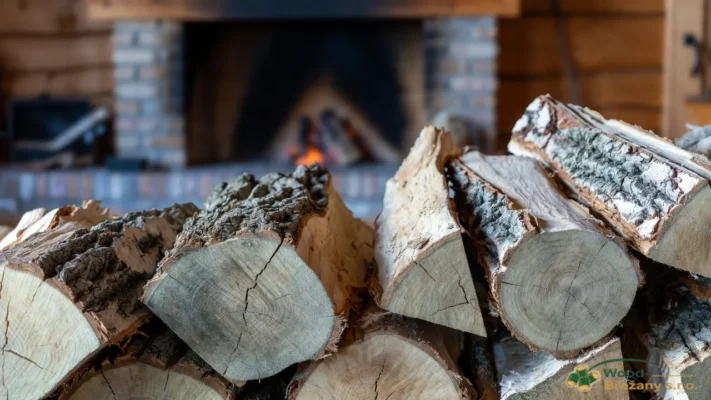
For maximum heating efficiency, choose kiln-dried oak, ash, or birch , these hardwoods deliver the highest BTU output, the lowest ash production, and the longest burn times of any commonly available UK firewood.
When firewood is properly kiln-dried to under 11% moisture content, more of its stored energy is converted directly into usable heat rather than being lost as steam and smoke. This makes kiln-dried hardwood logs significantly more cost-effective per burn than air-dried or unseasoned alternatives, even if the upfront price per bag is higher.
Which Firewood Has the Highest Heat Output in the UK?
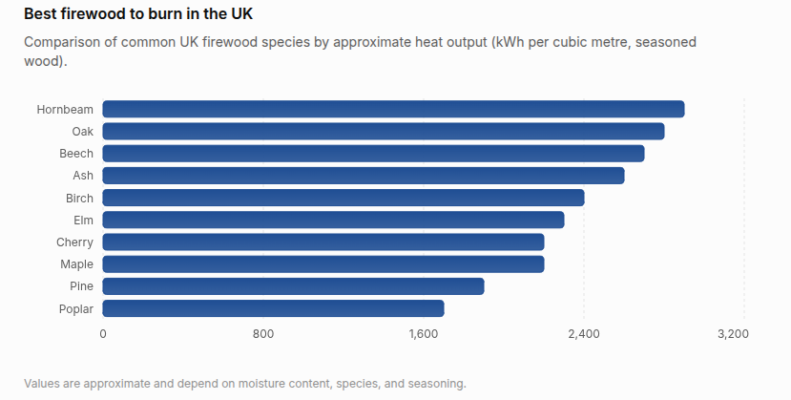
Oak produces the highest heat output of any commonly available UK firewood at approximately 28 million BTU per cord, followed by ash at 24 million BTU and birch at 20 million BTU.
The chart below compares the most popular UK firewood species by BTU output per cord, burn time, and air-drying seasoning time. These three factors have the greatest influence on real-world heating performance.
| Tree Species | Type | Heat Output (BTU/cord) | Burn Time | Seasoning Time (Air-Drying) |
|---|---|---|---|---|
| Oak | Hardwood | ~28 million | Long | 12–24 months |
| Ash | Hardwood | ~24 million | Long | 12–18 months |
| Maple | Hardwood | ~24 million | Medium–Long | 12–18 months |
| Birch | Hardwood | ~20 million | Medium | 6–12 months |
| Cherry | Hardwood | ~20 million | Medium | 12–18 months |
| Fir | Softwood | ~20 million | Short | 6–12 months |
| Pine | Softwood | ~17 million | Short | 6–12 months |
BTU figures are approximate and represent heat output per full cord of seasoned/kiln-dried wood. Actual output will vary by moisture content and storage conditions.
What Are the Burning Properties of Different Firewood Species?
Each species has a distinct profile of density, moisture retention, aroma, ease of lighting, and burn character. The summaries below cover the properties that matter most for home heating.
What Are the Burning Properties of Oak Logs?
Oak is the hottest, longest-burning firewood available in the UK, producing approximately 28 million BTU per cord and sustaining burn times of 60–90 minutes or more per log under normal stove conditions.
Its exceptional performance comes from its density , oak is one of the hardest and most tightly grained of all British tree species, which means it packs more combustible material into each log than almost any alternative. This makes oak the premium choice for sustained winter heating, especially overnight burning or during the coldest periods of the year.
The main limitation of oak is that its very density makes it difficult to air-dry properly in most British climates. Kiln-dried oak is almost always preferable to air-dried or seasoned oak in the UK, as home-seasoned oak often retains more moisture than it appears to, leading to smoky and inefficient burns. Kiln-dried oak routinely achieves moisture levels below 11%, making it significantly more effective than air-dried alternatives.
What Are the Burning Properties of Ash Logs?
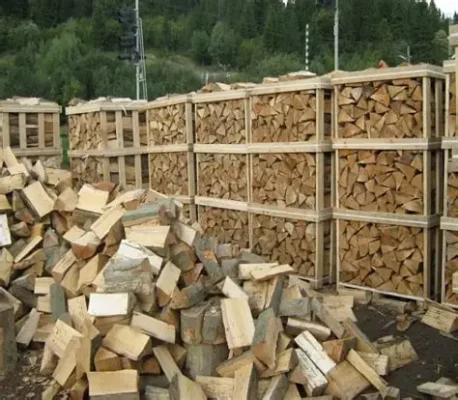
Ash is the UK’s most popular firewood, producing around 24 million BTU per cord, with a long burn time and exceptional ease of lighting , making it the best all-round choice for most households.
Unlike oak, ash lights notably more easily, which makes it a more practical everyday option, particularly for people new to wood burning. It reaches a high burning temperature relatively quickly and sustains a consistent, stable heat output over a long burn cycle. Ash also tends to produce less residual ash than many alternatives, which reduces the frequency of stove maintenance. For most UK households, ash represents the best balance of performance, availability, and value.
What Are the Burning Properties of Birch Logs?
Birch logs produce around 20 million BTU per cord, light very easily, burn with an attractive flame, and give off a pleasant natural aroma, making them the most user-friendly hardwood option available in the UK.
The main trade-off with birch is burn duration. Birch burns faster than oak or ash, which means it requires more frequent reloading in a stove. However, its ease of lighting, aesthetic appeal, and lower price point make it a genuinely popular choice, particularly for open fires. Birch is also an excellent species to mix with oak or ash. Use birch to get the fire established quickly, then add oak or ash logs once the fire is hot enough to sustain them.
What Are the Burning Properties of Pine Logs?
Pine is a softwood that burns quickly, produces relatively little heat at around 17 million BTU per cord, and generates significant smoke due to its high sap content , making it a poor choice for firewood but an excellent choice for kindling.
The sap in pine releases flammable compounds when burned, contributing to faster creosote buildup in chimneys and flues, a known fire hazard. Pine should not be used as a primary heating fuel in wood stoves or open fires. Its main practical value is as a fire-starter: pine catches easily, burns hot quickly, and is ideal for getting a fire established before adding hardwood logs.
What Are the Burning Properties of Maple Logs?
Maple is a hardwood that produces approximately 24 million BTU per cord , comparable to ash, with a steady heat output and decent burn time, making it a functional but less economical UK firewood option.
Maple performs well in heating terms, but it is considerably more expensive in the UK than equivalent-performing ash, largely because it is not as widely grown in Britain. For most UK households, ash offers similar performance at a lower price. Maple is worth considering if ash is unavailable in your area, but it is not the most cost-effective primary fuel for the UK market.
What Are the Burning Properties of Cherry Logs?
Cherry logs produce around 20 million BTU per cord, burn with a moderate and consistent heat, and give off a naturally pleasant fruity aroma , making them a popular choice for occasional and social fires rather than primary daily heating.
Cherry is best reserved for open fires where ambience matters as much as practicality. For daily heating, oak or ash will provide substantially more heat value per pound spent. Cherry’s combination of aesthetic appeal, pleasant scent, and consistent burn makes it a good choice for living room fires where the experience of the fire is part of the occasion.
How Long Does Firewood Need to Season in the UK?
UK hardwoods like oak and ash need 12–24 months to season; softwoods like pine season in 6–12 months, depending on climate, storage method, and the time of year stacking begins.
Seasoning is the process of air-drying freshly cut (green) firewood until its moisture content drops to a level at which it burns cleanly and efficiently. DEFRA sets 20% moisture content as the threshold for its Ready to Burn quality standard — wood above this level burns inefficiently and produces significantly more harmful smoke and creosote. The seasoning times below are realistic estimates for UK conditions with good storage: stacked off the ground, covered on top, and open on the sides.
| Wood Type | Seasoning Time (UK Air-Drying) |
|---|---|
| Oak | 12–24 months |
| Ash | 12–18 months |
| Maple | 12–18 months |
| Cherry | 12–18 months |
| Birch | 6–12 months |
| Pine | 6–12 months |
| Fir | 6–12 months |
Even after the above seasoning periods, UK air-dried wood commonly retains 20–25% moisture, particularly in wetter regions or poor storage conditions. Kiln-dried logs bypass this entirely, routinely reaching 8–11% moisture content and delivering more usable heat per log.
What Is the Difference Between Kiln-Dried and Seasoned Firewood?
Kiln-dried firewood is dried in a controlled industrial kiln to 8–11% moisture content, while seasoned firewood is air-dried outdoors for 6–24 months and typically retains 20–25% moisture, giving kiln-dried logs a significant heat output advantage.
The practical implication is measurable. At 25% moisture content, a meaningful proportion of each log’s combustion energy is consumed evaporating the water inside it before the wood can generate heat. Kiln-dried wood, by contrast, delivers almost its full BTU potential from the first moment it catches. It also lights more easily, produces far less smoke, generates less creosote in the flue, and reduces the frequency of chimney sweep visits. For most UK households who buy their firewood rather than cutting and storing their own, kiln-dried is the more reliable, consistent, and cost-effective option.
Are Hardwood or Softwood Logs Better for Heating?
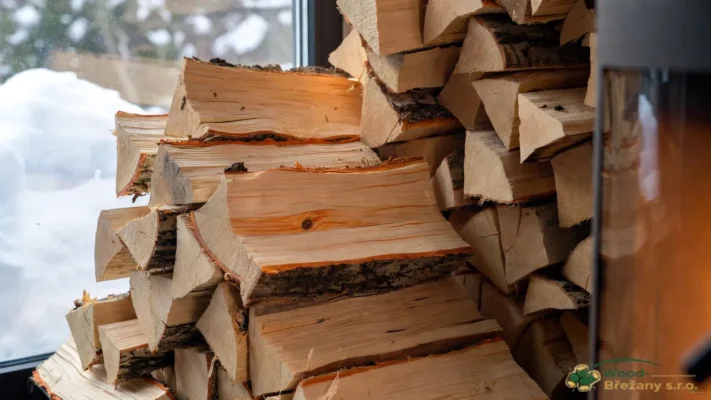
Hardwoods like oak, ash, and birch are far better for heating than softwoods; they burn longer, produce more heat per log, and generate less smoke due to their greater density and lower sap content.
The difference in density is the key factor. Hardwood trees grow more slowly than softwoods, producing a tighter grain and more energy-dense wood. A cord of oak stores roughly 65% more combustible energy than a cord of pine, which means fewer trips to the log store, less frequent reloading, and more hours of consistent warmth per load. Softwoods are not without value, however — their low density makes them extremely easy to ignite, which makes them invaluable as kindling before hardwood logs are added.
| Feature | Hardwood Logs | Softwood Logs |
|---|---|---|
| Common UK Species | Oak, Ash, Birch, Cherry, Maple | Pine, Fir, Spruce |
| Heat Output | High (~20–28 million BTU/cord) | Low–Moderate (~17–20 million BTU/cord) |
| Burn Duration | Long | Short |
| Smoke Production | Low | Moderate to High |
| Sap Content | Minimal | High |
| Best Use | Primary heating fuel | Kindling and fire-starting |
Is Ash or Oak Better for a Wood Burner?
Oak burns hotter and longer than ash , making it the better choice for maximum heat output, but ash is easier to light, more widely available, and the better all-round everyday fuel for most UK homes.
The practical difference comes down to use case. If you want the longest possible burn time and the highest sustained heat for cold winter nights, oak is the premium choice at approximately 28 million BTU per cord. If you want a highly versatile, easy-to-use firewood that works well across all stove types with minimal fuss, ash is the better everyday option at around 24 million BTU per cord. Many experienced wood burners keep both: ash for daily use and oak for the coldest evenings.
What Are the Best Woods for Open Fires and Wood Burners in the UK?
The five best firewood species for UK open fires and wood burners are ash, oak, birch, cherry, and maple , with ash and oak offering the best combination of heat output and burn time for regular home heating.
Kiln-Dried Ash Logs are the UK’s most popular firewood for good reason. Ash delivers a high burning temperature, a long burn time, and exceptional ease of lighting. It is the best all-round choice for beginners and experienced burners alike, and the most widely available premium hardwood in the UK.
Kiln-Dried Oak Logs offer the highest heat output and longest burn time of any firewood commonly available in the UK. Oak is the premium choice for those who prioritise maximum performance, particularly for sustained heating through cold winter months.
Kiln-Dried Birch Logs are easy to light, produce a good amount of heat, and burn with an attractive flame and pleasant aroma. Burn time is shorter than oak or ash, but birch is an outstanding choice for households seeking a more affordable hardwood or a particularly pleasing open fire experience.
Kiln-Dried Cherry Logs deliver moderate heat with a distinctive, pleasant fragrance. Cherry is best suited to open fires where ambience is part of the experience, and is better reserved for occasional use rather than daily heating.
Kiln-Dried Maple Logs offer performance comparable to ash in terms of BTU output but at a higher price point due to lower UK availability. A solid alternative if ash is unavailable locally.
Frequently Asked Questions About Firewood Logs
What Is the Hottest Burning Wood Log in the UK?
Oak is the hottest-burning firewood available in the UK, producing approximately 28 million BTU per cord. Ash is the most popular everyday alternative, and birch is the easiest to light of the three.
Can I Burn Unseasoned Wood in the UK?
No , burning unseasoned wood is inadvisable and increasingly regulated. According to DEFRA’s Guide to Open Fires and Wood Burning Stoves, unseasoned wood creates harmful smoke and particulates, accelerates creosote buildup, and can damage wood-burning appliances. Under the UK’s Ready to Burn standard, wood sold as fuel must have a moisture content below 20%.
Which Firewood Has the Longest Burn Time?
Oak and ash have the longest burn times of any UK firewood, typically producing 60–90 minutes of stable, consistent heat per log under normal stove conditions — significantly more than softwoods or lower-density hardwoods. For even longer burn times, modern compressed wood briquettes can sustain heat for 2–3 hours per unit, and specialist night briquettes are designed to burn for up to 8 hours.
What Moisture Content Should Firewood Be?
Firewood should have a moisture content of 20% or below to comply with the UK’s Ready to Burn standard , but for best performance, kiln-dried logs at 8–11% moisture deliver the highest heat output, easiest lighting, and least smoke of any available option. The difference is significant in practice: at 10% moisture, the same log lights more easily, burns hotter, produces less smoke, and leaves less residue in the flue than a compliant but borderline 20% log.
What kind of wood should not be burned?
Do not burn painted, treated, glued, or varnished wood because it releases toxic fumes and can damage your stove or chimney.
What wood is toxic to burn?
Toxic woods include treated timber, painted wood, plywood, MDF, and any wood coated with chemicals, glue, or preservatives.
What is the cleanest wood for a log burner?
Dry hardwoods like oak, ash, beech, and hornbeam burn cleanly, produce less smoke, and give steady heat output.
What wood can you not burn in a log burner?
Do not burn wet wood, treated wood, painted wood, varnished wood, plywood, MDF, or waste timber in a log burner.
Which wood creates the most creosote?
Wet, resinous, or poorly seasoned wood creates the most creosote because it burns cooler and releases more smoke and tar.
Can you burn normal wood on a log burner?
Yes, but only if it is dry, untreated, and properly seasoned wood that is safe for solid fuel appliances.
What wood won’t burn in a fire?
Very wet wood, rotting wood, or wood with too much moisture burns poorly, smokes heavily, and may struggle to catch fire.
Can I burn Leylandii logs in a wood burner?
Yes, but only when fully seasoned and dry, because Leylandii can be resinous and smoky if burned too soon.
How to tell if wood is ok to burn?
Burnable wood should be dry, untreated, split, and light for its size, with visible cracks and no damp smell.
What wood is worst for firewood?
Worst firewood is wet, painted, treated, or dense green wood that has not been seasoned long enough.
Can you burn varnished wood in a log burner?
No, varnished wood should not be burned because it can release harmful fumes and leave dangerous deposits in the flue.
What kind of firewood burns the longest?
Dense hardwoods like oak, hornbeam, ash, and beech usually burn the longest and give the most consistent heat.
What is a cheap but strong wood?
Pine is cheap and easy to get, while ash and spruce offer good strength for their cost in many uses.
What is luxury firewood?
Luxury firewood usually means premium, kiln dried hardwood that lights easily, burns cleanly, and produces a strong, attractive flame.
What is the quickest drying firewood?
Ash is often the quickest drying common firewood because it starts with lower moisture than many other hardwoods.
Can you season firewood in 3 months?
No, most firewood needs longer than 3 months, although very small split pieces in warm, dry conditions may dry faster.
What wood stove has 10 hours of burn time?
Large, efficient wood stoves with deep fireboxes and air control settings are most likely to achieve around 10 hours of burn time.
Which firewood creates the most creosote?
Unseasoned softwood and wet firewood create the most creosote because they burn cooler and produce more smoke and tar.
What’s the worst firewood to burn?
The worst firewood is wet, treated, painted, or varnished wood because it burns badly and can create hazardous emissions.
What wood is not suitable for log burners?
Any wood that is treated, painted, glued, laminated, mouldy, or too wet is not suitable for log burners.
What is the top 10 strongest wood?
Strong woods include lignum vitae, ipe, ebony, teak, oak, ash, hickory, maple, beech, and ironwood.
What wood are you not allowed to burn?
You should not burn treated timber, painted wood, construction waste, plywood, MDF, or any wood containing chemical coatings.
What firewood smokes the least?
Well seasoned hardwoods such as ash, beech, and hornbeam usually smoke the least when burned correctly.
What is the most toxic wood?
The most toxic wood is treated timber or wood coated with chemicals, paint, preservatives, or industrial adhesives.