

 Čeština
 Deutsch
 Română
Which Firewood Is Best: Birch, Ash, or Oak?
Birch lights fastest, ash balances heat and burn time, and oak burns longest and hottest for sustained overnight warmth.
Winter evenings demand reliable heat, but not all hardwoods perform the same. Birch, ash, and oak are the most popular UK firewood choices because they differ in density, ignition speed, burn duration, and heat output. Choosing the right one, or mixing them strategically, reduces refuelling, improves efficiency, and keeps your chimney cleaner.
Why Do Firewood Species Like Birch, Ash, and Oak Matter?
Firewood species differ in density, burn time, heat output, ease of lighting, and emissions, directly affecting warmth, efficiency, and stove performance.
Denser woods contain more energy per log. Oak, at roughly 750 to 900 kg per cubic metre, holds significantly more heat than birch, typically 600 to 700 kg per cubic metre. That difference translates into longer burn cycles and fewer reloads.
Moisture content matters just as much as species. Logs below 20 percent moisture burn hotter, produce up to 50 percent less smoke than wet wood, and dramatically reduce creosote buildup. This is why kiln dried, Ready to Burn certified firewood is essential in the UK.
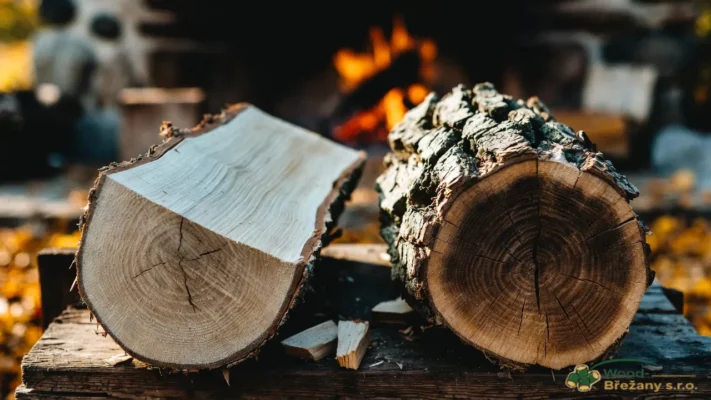
How Does Birch vs Ash vs Oak Compare Side by Side?
Birch lights easiest, ash balances burn time and heat, and oak delivers the longest, densest burn with the highest heat output per log.
| Feature | Birch Logs | Ash Logs | Oak Logs |
|---|---|---|---|
| Ease of lighting | Very easy | Easy | Hardest, needs embers |
| Burn time | 3 to 5 hours | 4 to 6 hours | 6 to 8 plus hours |
| Density approx | 600 to 700 kg per m³ | 650 to 750 kg per m³ | 750 to 900 kg per m³ |
| Heat output seasoned | 20 to 23 million BTU per cord | 23 to 24 million BTU per cord | 24 to 26 million BTU per cord |
| Soot buildup | Low when dry | Very low | Very low when fully dry |
| Ash residue | Low | Low to moderate | Moderate |
| Best use | Quick fires, kindling | Everyday balanced heating | Overnight and heavy heating |
Performance insight: Oak can burn up to 40 percent longer than birch per volume, while ash typically offers 15 to 20 percent longer burn time than birch with easier ignition than oak.
What Are the Pros and Cons of Birch Logs?
Birch logs ignite extremely fast, burn cleanly, and produce bright flames, but their lower density means shorter burn times and more frequent refuelling.
Birch is ideal when you want heat quickly. It catches with minimal kindling and produces lively flames and a pleasant aroma. Its lower density makes it perfect for:
Pros
- Nearly instant ignition
- Low soot and ash
- Attractive flame pattern
- Excellent starter wood
Cons
- Shorter burn cycle
- Less total heat per cubic metre
- Not suitable alone for overnight burns
Birch works best when mixed with denser hardwoods for sustained output.
What Are the Pros and Cons of Ash Logs?
Ash offers easy lighting, strong heat output, and a balanced burn time, making it one of the most reliable all purpose hardwoods for UK stoves.
Often considered the benchmark hardwood in Britain, ash combines convenience with performance. It lights more easily than oak and lasts longer than birch, making it ideal for daily heating.
Pros
- Reliable ignition
- Strong steady heat
- Clean combustion when seasoned
- Excellent heat to burn time ratio
Cons
- Slightly shorter burn than oak
- Regional price and availability variations
Usage data insight: In mixed hardwood orders, ash is frequently chosen for daily burning due to its balance of ignition ease and longevity.
What Are the Pros and Cons of Oak Logs?
Oak burns the longest and produces the highest heat per log, making it ideal for overnight heating and sustained winter warmth.
Oak is the densest of the three and delivers maximum energy per cubic metre. Once fully ignited, it forms deep embers that radiate heat steadily for hours.
Pros
- Longest burn duration
- High heat retention
- Fewer reloads overnight
- Cost effective for heavy winter use
Cons
- Hardest to ignite
- Heavier to handle
- Produces more ash than lighter woods
Best practice is to start a fire with birch or ash, then add oak once a hot ember bed forms.
Which Firewood Produces the Most Heat Per Cubic Metre?
Oak produces the highest heat per cubic metre due to its superior density, followed by ash, with birch delivering the least total energy per volume.
Approximate seasoned heat values:
- Oak: 24 to 26 million BTU per cord
- Ash: 23 to 24 million BTU per cord
- Birch: 20 to 23 million BTU per cord
For maximum heating efficiency in cold weather, oak leads in total output.
Which Firewood Is Best for Overnight Burning?
Oak is best for overnight burning because its dense structure allows slow combustion and long lasting embers that sustain heat for 6 to 8 hours or more.
Ash can extend evening heat but typically requires earlier refuelling. Birch alone is not recommended for overnight use due to shorter burn duration.
Can You Mix Birch, Ash, and Oak for Better Performance?
Yes, mixing species improves ignition, heat control, and burn duration by combining fast lighting wood with dense long burning logs.
Recommended mix strategy:
- Start with birch for rapid ignition
- Add ash for stable heat
- Finish with oak for sustained output
This layered approach optimises both comfort and fuel efficiency.
Where Can You Legally Burn Birch, Ash, and Oak Logs in the UK?
Birch, ash, and oak can be burned in all UK areas, including Smoke Control Zones, if kiln dried below 20 percent moisture and certified Ready to Burn.
Under UK regulations introduced in 2021 and still in force, commercially sold firewood must meet moisture standards to reduce air pollution. Wet logs of any species create excess smoke and are not compliant.
Always:
- Use approved fuel
- Follow stove manufacturer guidelines
- Sweep chimneys at least annually
What Are the Best Practices for Burning Birch, Ash, or Oak?
Burn kiln dried logs under 20 percent moisture, mix species strategically, maintain airflow, and service your chimney to ensure clean and efficient heat.
Practical checklist:
- Choose Ready to Burn certified logs
- Store off ground with airflow
- Split dense oak pieces smaller for easier ignition
- Maintain strong air supply during early combustion
- Avoid overloading the firebox
- Schedule annual chimney sweeping
Final Recommendation
If you want:
- Fast heat and bright flames: Choose birch
- Everyday reliable performance: Choose ash
- Longest lasting winter warmth: Choose oak
- Maximum efficiency: Combine all three strategically
By selecting kiln dried, properly seasoned hardwood and matching species to your heating goal, you improve comfort, reduce emissions, and get the most value from every log.