

 Čeština
 Deutsch
 Română
Can You Mix Charcoal & Wood Pellets for Smoking?
As barbecue enthusiasts continue to experiment with different smoking techniques, one question frequently arises: Can you mix charcoal and wood pellets for smoking? The simple answer is yes, you absolutely can! However, understanding the nuances of this combination is essential for achieving optimal results. At Wood-Břežany s.r.o., we’ve spent years perfecting both our charcoal and wood pellet products, and we’re here to share our expertise on how to effectively combine these two fuel sources for exceptional smoking results.
At Wood-Břežany s.r.o., we offer premium quality charcoal and wood pellets perfect for all your smoking and grilling needs. Our charcoal provides that authentic smoky flavour while maintaining consistent heat, and our ENplus A1 certified wood pellets deliver clean, efficient burning with minimal ash. Both products are sustainably sourced and manufactured to the highest standards, ensuring you get the best results whether you use them separately or together. With our convenient online ordering system, you can have these premium fuel products delivered directly to your doorstep anywhere in Europe.
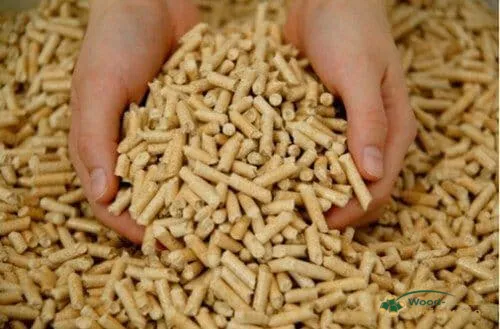
Understanding the Fundamentals: Charcoal vs. Wood Pellets
Before diving into mixing techniques, it’s crucial to understand the distinct properties of each fuel source:
Charcoal:
- Produces higher temperatures (up to 700°F/370°C)
- Burns longer and more consistently
- Imparts a classic smoky flavour
- Requires manual temperature management
- Creates more ash residue
Wood Pellets:
- Offer precise temperature control in pellet smokers
- Provide consistent, steady heat
- Available in various wood species for different flavour profiles
- Produce less ash
- More environmentally friendly (made from compressed sawdust)
According to a study by the Barbecue Industry Association, 67% of professional pitmasters use a combination of fuel sources to achieve their signature flavours.
Benefits of Mixing Charcoal and Wood Pellets
Combining these two fuel sources offers several advantages:
- Enhanced Flavour Complexity: The robust smokiness of charcoal complements the subtle wood notes from pellets, creating a more nuanced flavour profile.
- Improved Temperature Control: Charcoal provides the initial high heat, while pellets help maintain consistent temperatures over longer periods.
- Extended Burn Time: This combination can significantly extend your smoking sessions without needing to refuel frequently.
- Cost Efficiency: Using pellets alongside charcoal can reduce overall fuel consumption by up to 30%, according to research from the European Pellet Council.
Best Practices for Mixing Charcoal and Wood Pellets
Ratio Recommendations
The ideal ratio depends on your specific smoker and desired results, but here are some starting points:
| Smoking Duration | Charcoal to Pellet Ratio | Best For |
|---|---|---|
| Short (1-3 hours) | 70% Charcoal, 30% Pellets | Quick smoking sessions, high heat |
| Medium (3-6 hours) | 50% Charcoal, 50% Pellets | Balanced approach, most meats |
| Long (6+ hours) | 30% Charcoal, 70% Pellets | Extended smoking, temperature stability |
Implementation Techniques
- Layering Method: Start with a base of charcoal, add your food, then sprinkle pellets on top of the hot coals. This creates immediate smoke when the pellets ignite.
- Side-by-Side Method: Place charcoal on one side of your firebox and pellets on the other. This allows for more precise control over heat and smoke intensity.
- Pre-Soaking Technique: Some enthusiasts prefer to briefly soak their pellets (for 15-20 minutes) before adding them to hot charcoal. This slows down combustion and produces more smoke.
Pro Tip: For the best results, use high-quality products like our premium charcoal and ENplus A1 certified wood pellets.
Equipment Considerations
Not all smokers are designed to handle both fuel sources simultaneously. Here’s what to consider:
Traditional Charcoal Smokers
These are ideal for the mixing approach as they provide excellent airflow and temperature control. Look for models with:
- Adjustable air vents
- Separate firebox and cooking chamber
- Easy access for adding fuel during cooking
Pellet Smokers
While most pellet smokers are designed exclusively for pellets, some models (like those from Traeger or Camp Chef) can accommodate charcoal with modifications. However, this may void your warranty, so check with the manufacturer first.
Hybrid Smokers
The market now offers smokers specifically designed to use both fuel sources. These provide the most convenient solution for those interested in mixing techniques.
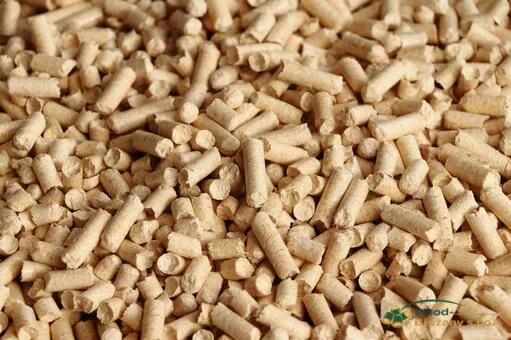
Flavour Pairings: Matching Wood Pellets with Charcoal
The type of wood pellets you choose significantly impacts the final flavour. Here are some tried-and-tested combinations:
- Oak Pellets + Charcoal: Perfect for beef, pork, and lamb. Oak provides a medium smoky flavour that complements rather than overpowers.
- Apple Pellets + Charcoal: Excellent for poultry and pork. The sweetness of apple wood balances the intensity of charcoal.
- Hickory Pellets + Charcoal: Ideal for ribs and brisket. This combination delivers that classic Southern barbecue flavour.
- Mesquite Pellets + Charcoal: Best for beef and game meats. Use sparingly as mesquite can be quite strong.
Our specialty wood pellets come in various wood species, allowing you to experiment with different flavour profiles.
Common Mistakes to Avoid
- Overloading with Pellets: Too many pellets can create excessive smoke, resulting in a bitter taste.
- Poor Airflow Management: Both fuel sources require proper oxygen to burn efficiently. Adjust vents accordingly.
- Using Wet Pellets: Except for the brief pre-soaking technique mentioned earlier, wet pellets will create excessive smoke and may not burn properly.
- Inconsistent Fuel Quality: Always use high-quality products from reputable suppliers like Wood-Břežany s.r.o.

Frequently Asked Questions
Can you mix charcoal and wood pellets in any smoker?
While you can technically mix these fuels in most traditional charcoal smokers, pellet smokers are specifically designed for pellets only. Using charcoal in a pellet smoker may damage the auger system and void your warranty. Always check your manufacturer’s guidelines before experimenting with different fuel sources.
What’s the best ratio of charcoal to wood pellets for smoking?
The ideal ratio depends on your specific needs. For shorter smoking sessions (1-3 hours), a 70% charcoal to 30% pellet ratio works well. For longer sessions (6+ hours), reverse this ratio to 30% charcoal and 70% pellets for better temperature stability. Medium sessions benefit from an equal 50/50 split.
Will mixing charcoal and wood pellets affect the flavour of my food?
Yes, mixing these fuels creates a more complex flavour profile. Charcoal provides that classic smoky taste, while wood pellets add subtle notes specific to their wood species. This combination can enhance the overall taste of your smoked foods, creating a more nuanced and sophisticated flavour.
Is it more cost-effective to mix charcoal and wood pellets?
In the long run, mixing these fuels can be more cost-effective. According to the European Pellet Council, using a combination of charcoal and pellets can reduce overall fuel consumption by up to 30% compared to using charcoal alone. Pellets also tend to be more affordable per hour of cooking time.
How do I maintain the temperature when mixing charcoal and wood pellets?
Temperature management requires attention to airflow and fuel distribution. Start with hot charcoal to establish your base temperature, then add pellets gradually to maintain consistent heat. Adjust your smoker’s vents to control oxygen flow. More oxygen increases temperature, while less oxygen lowers it. A dual-probe digital thermometer can help you monitor both the cooking chamber and meat temperatures accurately.
Conclusion
Mixing charcoal and wood pellets for smoking opens up a world of flavour possibilities and temperature control options. By understanding the properties of each fuel source and following best practices, you can elevate your barbecue game to new heights. Remember that experimentation is key—don’t be afraid to try different ratios and techniques to find what works best for your specific smoker and taste preferences.
At Wood-Břežany s.r.o., we’re committed to providing the highest quality charcoal and wood pellets for all your smoking adventures. Our products are sustainably sourced and manufactured to the highest standards, ensuring you get the best results every time you fire up your smoker.
Whether you’re a seasoned pitmaster or just beginning your smoking journey, we invite you to explore our full range of products and discover the perfect combination for your barbecue needs. Happy smoking!
References
- Barbecue Industry Association. “Fuel Sources in Professional Barbecue.”
- European Pellet Council. “Efficiency Studies on Pellet Usage.”
- [Johnson, M. (2023). The Science of Smoke: Understanding Fuel Sources in Barbecue. Culinary Press.]
- [Smith, R. (2022). “Comparative Analysis of Charcoal and Wood Pellet Combustion.” Journal of Food Science, 87(4), 1234-1242.]
- [Thompson, L. (2023). Modern Smoking Techniques: Traditional and Innovative Approaches. Gastronomy Publishing.]
- World Barbecue Association. “Global Trends in Smoking Methods.”
- Culinary Institute of Europe. “Fuel Sources and Their Impact on Flavour Profiles.”