

 Čeština
 Deutsch
 Română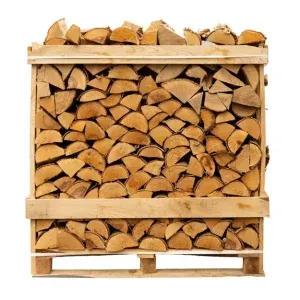
Buy firewood online
Dried Firewood for sale
Our mixed firewood is the ideal choice for efficient heating. The combination of hard and softwoods guarantees optimal heating value and long burn time. All wood is carefully dried to an ideal moisture content below 20%. Order online with fast delivery throughout the Czech Republic. Get premium mixed firewood, expertly seasoned for high heat output. Ideal for stoves & fires. Order online for fast UK-wide delivery. Shop now for great value.Hardwood vs Softwood Firewood: The Complete Guide to Choosing the Best Heating Solution for Your Home
When selecting the right fuel for your fireplace, wood stove, or heating system, the choice between hardwood vs softwood firewood can dramatically impact your heating efficiency, costs, and overall satisfaction. At Wood-Břežany S.R.O., we specialise in providing premium wood fuel products across Europe, and our years of experience have taught us exactly what homeowners need to know about these two distinct categories of burning wood.
The debate between hardwood and softwood extends beyond simple classification. Understanding the fundamental differences between these wood types, their burning characteristics, heat output, and practical applications will empower you to make informed decisions that maximise warmth while minimising waste and maintenance costs.
What Is Hardwood Firewood and Why Choose It?
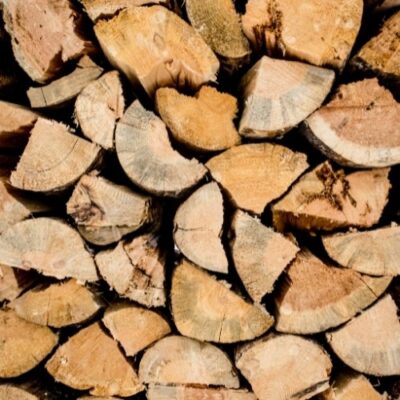
Hardwood comes from deciduous trees that shed their leaves annually. These slow-growing species include popular varieties such as oak, beech, ash, maple, and birch. According to research from Lekto Woodfuels, hardwood trees produce denser wood due to their gradual growth patterns, resulting in superior burning properties.
The biological classification stems from the tree’s reproductive system. Hardwoods are angiosperms, meaning they produce seeds encased in protective coverings such as fruits or nuts. This structural difference translates directly into the wood’s density and energy content.
At our facility, we process premium dried firewood sourced from sustainably managed forests. Our hardwood options deliver exceptional performance for homeowners seeking reliable, long-lasting heat.
Key Characteristics of Hardwood:
- Dense cellular structure with tightly packed fibres
- Higher BTU output per cord compared to softwood
- Longer burn times (up to several hours per log)
- Reduced smoke production when properly seasoned
- Excellent coaling properties for sustained radiant heat
- Lower resin content reducing creosote buildup
What Is Softwood Firewood and When Should You Use It?
Softwood originates from coniferous trees, commonly known as evergreens. These fast-growing species include pine, spruce, fir, cedar, and larch. Softwoods are gymnosperms, producing exposed seeds in cones rather than protected fruits.
According to data from HY-C Company, softwood’s lower density makes it significantly easier to ignite and split. This characteristic makes softwood invaluable for specific applications, particularly as kindling and for quick-starting fires.
We offer quality pine firewood that serves excellently as fire-starting material. The higher resin content in softwoods acts as a natural accelerant, helping establish flames rapidly before transitioning to hardwood for sustained burning.
Key Characteristics of Softwood:
- Less dense structure with more porous composition
- Quick ignition due to resin and sap content
- Faster burn rate requiring more frequent reloading
- Pleasant aromatic properties (cedar, pine scent)
- Shorter seasoning time (6-12 months versus 12-24 months)
- Lower cost reflecting faster growth and availability
Buy Hardwood vs Softwood: Understanding BTU Heat Output
British Thermal Units (BTUs) measure the energy content in firewood. One BTU represents the energy needed to raise one pound of water by one degree Fahrenheit. This standardised measurement helps consumers compare different wood types objectively.
Research from the U.S. Department of Energy indicates that a cord of air-dried hardwood produces between 18 to 32 million BTUs, whilst softwood generates 12 to 18 million BTUs per cord. This substantial difference directly affects how much wood you’ll need throughout the heating season.
| Wood Species | Weight per Cord (lbs) | BTUs per Cord (Million) | Category |
|---|---|---|---|
| Oak (Red) | 3,680 | 24.0 | Hardwood |
| Maple (Sugar) | 3,680 | 24.0 | Hardwood |
| Ash | 3,440 | 23.6 | Hardwood |
| Beech | 3,760 | 24.0 | Hardwood |
| Birch (Yellow) | 3,680 | 21.8 | Hardwood |
| Pine (White) | 2,250 | 15.9 | Softwood |
| Spruce | 2,100 | 15.0 | Softwood |
| Fir (Douglas) | 2,520 | 18.0 | Softwood |
| Cedar | 2,060 | 13.0 | Softwood |
Understanding the BTU Advantage
The critical insight here involves wood density rather than inherent energy content. According to Firewood For Life, pound for pound, hardwood and softwood contain similar BTU values (approximately 8,000 to 9,000 BTUs per pound). However, because hardwood weighs significantly more per volume, a cord of hardwood delivers substantially more total energy.
This means you might require twice the volume of softwood to match the heat output of hardwood. For homeowners, this translates to more frequent reloading, additional storage space requirements, and increased handling labour.
Our premium beech firewood exemplifies high-BTU hardwood performance, providing extended burn times and exceptional heat output.
How Long Does Firewood Take to Season: Hardwood vs Softwood Drying Time
Moisture content represents perhaps the most crucial factor determining firewood performance. Freshly cut “green” wood contains 40-60% moisture, making it nearly impossible to burn efficiently. Research from the University of Maryland Extension confirms that properly seasoned firewood should contain less than 20% moisture for optimal combustion.
Hardwood Seasoning Requirements
Hardwood’s dense structure retains moisture tenaciously, requiring extended drying periods:
- Oak: 12-24 months minimum
- Beech: 12-18 months
- Maple: 10-18 months
- Ash: 8-15 months (faster than most hardwoods)
- Birch: 8-15 months
According to a 2025 study from Kiln-Dried Logs, oak’s dense grain structure necessitates the longest drying time but rewards patience with exceptional heat output and extended burn duration.
Softwood Seasoning Requirements
Softwood’s porous structure facilitates faster moisture release:
- Pine: 6-12 months
- Spruce: 6-12 months
- Fir: 6-12 months
- Cedar: 6-9 months
The faster seasoning time makes softwood attractive for homeowners who need firewood on shorter notice. Our mixed firewood combines both types to provide flexibility for various applications.
Accelerating the Seasoning Process
Several techniques optimise drying time regardless of wood type:
- Split wood immediately after cutting to expose maximum surface area
- Stack loosely allowing air circulation between pieces
- Elevate woodpiles on pallets preventing ground moisture absorption
- Position in sunny locations with good airflow
- Cover the top whilst leaving sides exposed for ventilation
- Cut to uniform sizes (typically 16-inch lengths)
Professional kiln-drying eliminates uncertainty about moisture content. At Wood-Břežany, our dried firewood products undergo controlled kiln-drying processes ensuring moisture levels consistently below 20%.
Best Firewood to Buy: Which Wood Burns Longer and Hotter?
When homeowners ask “which wood burns best,” the answer depends entirely on your specific heating objectives and usage scenarios. Let’s examine the optimal applications for each wood type.
Best Uses for Hardwood Firewood
Indoor Heating Systems: Hardwood excels in wood-burning stoves, fireplaces, and central heating systems. According to The Family Handyman, hardwood’s dense structure produces minimal smoke and creosote, making it safer for enclosed chimney systems whilst reducing maintenance requirements.
Overnight Heating: The extended burn time of hardwood makes it ideal for maintaining warmth throughout cold nights. A properly loaded wood stove with quality hardwood can provide heat for 6-8 hours without reloading.
Cooking and Pizza Ovens: Hardwood’s clean-burning properties and consistent heat output make it perfect for culinary applications. Our customers frequently purchase hornbeam firewood specifically for wood-fired pizza ovens due to its excellent heat characteristics.
Wood-Fired Saunas: For sustained high temperatures with minimal smoke, hardwood performs superiorly. The clean combustion ensures pleasant air quality during sauna sessions.
“Hardwood is the gold standard for indoor heating applications. Its dense structure delivers maximum heat output whilst minimising smoke and creosote buildup, providing both efficiency and safety.” (Freedom Firewood, 2024)
Best Uses for Softwood Firewood
Kindling and Fire Starting: Softwood’s high resin content and easy ignition make it invaluable for establishing fires. Keep a supply of our pine firewood specifically for this purpose.
Outdoor Campfires: In open-air settings where smoke dissipation isn’t problematic, softwood provides quick heat and attractive flames. The aromatic qualities of cedar and pine enhance the outdoor experience.
Quick Supplemental Heat: For brief heating needs during transitional seasons (spring and autumn), softwood offers economical quick warmth without the expense of premium hardwood.
Mixed-Use Strategy: Many experienced wood burners employ a combination approach, using softwood kindling to establish flames before adding hardwood logs for sustained burning.
Where to Buy Quality Firewood Online: Hardwood and Softwood Options
Purchasing firewood requires careful consideration of suppliers, moisture content verification, and understanding measurement standards. At Wood-Břežany S.R.O., we pride ourselves on transparency and quality assurance.
Verification Methods Before Purchase
Moisture Meter Testing: Professional suppliers should permit moisture testing before delivery. According to Cornell Cooperative Extension, wood exceeding 25% moisture content isn’t properly seasoned and will perform poorly.
Visual Inspection: Properly seasoned wood exhibits:
- Dark, weathered appearance rather than fresh green colour
- Visible cracks (checking) at the cut ends
- Loose, peeling bark
- Lightweight feel compared to green wood
- Hollow sound when two pieces strike together
Source Verification: Only purchase firewood from local sources within your region. Transporting firewood across state or national boundaries spreads invasive pests and diseases, potentially causing environmental damage.
Understanding Firewood Measurements
A full cord measures 128 cubic feet (4 feet high × 4 feet deep × 8 feet long). Many suppliers offer face cords or ricks, which represent only one-third of a full cord. Clarify measurements before committing to purchases.
Our online shop provides transparent measurements and pricing for all products, whether you’re looking for hardwood briquettes or traditional firewood.
How to Choose Between Hardwood and Softwood: Practical Buying Guide
Several factors should inform your firewood selection decision beyond simple heat output comparisons.
Budget Considerations
Hardwood typically costs 20-40% more than softwood, reflecting slower growth rates and longer production timelines. However, the higher cost per cord often proves economical when accounting for the superior BTU output and reduced volume requirements.
Calculate your actual cost per BTU rather than simply comparing price per cord. A £200 cord of hardwood delivering 24 million BTUs costs less per unit of heat than a £150 cord of softwood providing only 15 million BTUs.
Storage Space Availability
If storage space is limited, hardwood provides more heat per volume, reducing the total storage footprint required for winter heating. Homeowners with ample covered storage might find softwood’s lower cost attractive despite requiring more space.
Chimney Maintenance Requirements
Softwood’s higher resin content produces more creosote deposits in chimneys and flues. According to We Love Fire, increased creosote necessitates more frequent chimney cleaning, adding maintenance costs that offset initial purchase savings.
Professional chimney sweeping costs £60-120 annually. If softwood requires twice-yearly cleaning versus once-yearly for hardwood, the additional expense quickly eliminates any purchase price advantage.
Environmental Impact
Both hardwood and softwood can be sustainable heating choices when sourced from responsibly managed forests. Look for suppliers committed to replanting and sustainable forestry practices.
Our commitment to sustainability includes sourcing from certified forests and maintaining transparent supply chains. Browse our selection of sustainable wood products for environmentally conscious heating solutions.
Which Firewood Is Best for Your Specific Needs?
For Primary Home Heating
Recommendation: Hardwood (Oak, Beech, Ash)
When heating represents your primary warmth source during winter months, invest in premium hardwood. The extended burn times, superior heat output, and reduced maintenance requirements justify the higher initial cost. Consider our oak sawdust for supplemental heating applications.
For Occasional Use and Ambiance
Recommendation: Mixed Approach
If you burn fires occasionally for atmosphere rather than heating necessity, a combination approach works excellently. Use softwood kindling with hardwood logs, or burn softwood exclusively for shorter fires. Our mixed firewood option provides pre-balanced convenience.
For Cooking Applications
Recommendation: Hardwood (Fruit Woods, Oak, Beech)
Cooking demands clean-burning wood without excessive smoke or chemical residues. Hardwoods provide consistent heat and pleasant flavours. Apple, cherry, and oak wood are particularly popular for smoking meats and wood-fired cooking.
For Fire Pits and Outdoor Recreation
Recommendation: Softwood or Mixed
Outdoor fire pits benefit from softwood’s quick ignition, attractive flames, and aromatic properties. The increased smoke proves less problematic in open-air settings. Cedar and pine create the classic campfire experience many people enjoy.
Buy Wood Briquettes as Alternative: Best of Both Worlds
Modern wood briquettes offer a compelling alternative to traditional firewood, combining advantages of both hardwood and softwood whilst eliminating many drawbacks. According to Lekto Woodfuels, briquettes undergo compression and kiln-drying processes that maximise density and eliminate moisture concerns.
Advantages of Wood Briquettes
Consistent Quality: Every briquette contains identical moisture content and density, ensuring predictable performance without the variability of natural firewood.
Space Efficiency: Compressed briquettes occupy significantly less storage space than equivalent cord wood whilst delivering comparable or superior heat output.
Clean Burning: The manufacturing process removes bark, dirt, and impurities, resulting in minimal ash production and reduced creosote formation.
Ready to Burn: No seasoning period required. Briquettes ship ready for immediate use, eliminating the 6-24 month waiting period necessary for traditional firewood.
Explore our premium RUF wood briquettes and Nestro wood briquettes for convenient, high-performance heating solutions. We also offer specialised Pini Kay briquettes designed for extended burn times.
Frequently Asked Questions About Hardwood vs Softwood Firewood
Which Type of Wood Burns Hottest and Longest?
Hardwood burns hottest and longest. Oak, hickory, and beech deliver the highest BTU values per cord, with individual logs burning for several hours. According to The Old Farmer’s Almanac, top-performing hardwoods provide heat equivalent to 200-250 gallons of heating oil per cord. Softwood burns faster and cooler, typically lasting less than one hour per log.
Can I Mix Hardwood and Softwood in My Wood Stove?
Yes, mixing hardwood and softwood can be strategic. Use softwood kindling to establish fires quickly, then add hardwood logs for sustained burning. This combination approach maximises each wood type’s strengths. However, avoid burning predominantly softwood in wood stoves due to increased creosote production and frequent reloading requirements.
How Can I Tell If My Firewood Is Properly Seasoned?
Use multiple verification methods. Properly seasoned firewood exhibits dark, cracked ends, loose bark, lightweight feel, and produces a hollow sound when struck together. For definitive verification, use a moisture meter (available for under £30). Insert probes into split wood measuring the internal moisture level. Wood below 20% moisture is ready to burn; above 25% requires additional seasoning time.
Is Softwood Cheaper Than Hardwood to Buy?
Yes, softwood typically costs 20-40% less per cord. The lower price reflects faster tree growth and reduced harvesting time. However, calculate cost per BTU rather than cost per cord for accurate comparison. Because you need approximately twice the volume of softwood to match hardwood’s heat output, the apparent price advantage diminishes significantly when accounting for actual heating value delivered.
Does Softwood Really Cause More Creosote Buildup?
Yes, but the relationship is more complex than commonly understood. Softwood contains higher resin and sap content, which produces more combustion byproducts. However, according to We Love Fire, improperly seasoned wood (whether hardwood or softwood) causes more creosote than properly dried softwood. Moisture content matters more than wood type. Burning well-seasoned softwood occasionally won’t cause problems, but regular use increases maintenance requirements.
Key Takeaways: Making Your Hardwood vs Softwood Decision
Choosing between hardwood and softwood firewood ultimately depends on your specific heating needs, budget, storage capacity, and usage patterns. Here’s what you need to remember:
✓ Hardwood delivers superior heat output, extended burn times, and reduced maintenance, making it ideal for primary heating applications
✓ Softwood ignites easily and burns quickly, serving excellently as kindling, for outdoor fires, and occasional use scenarios
✓ BTU output per cord differs substantially, with hardwood providing 18-32 million BTUs versus softwood’s 12-18 million BTUs
✓ Seasoning time varies significantly, requiring 12-24 months for hardwood versus 6-12 months for softwood
✓ Proper moisture content (below 20%) matters more than wood type for efficient, clean combustion
✓ A strategic combination approach often proves optimal, using softwood kindling with hardwood logs for sustained burning
✓ Wood briquettes offer a modern alternative combining advantages of both types whilst eliminating moisture and storage concerns
At Wood-Břežany S.R.O., we provide comprehensive wood fuel solutions for European homeowners. Whether you’re seeking traditional firewood, modern wood pellets, or innovative briquette options, our expertise ensures you receive premium products backed by transparent information and reliable delivery.
Visit our FAQ section for additional guidance, or contact us directly to discuss your specific heating requirements. We’re committed to helping you achieve optimal warmth, efficiency, and value from your wood-burning investment.
References
- HY-C Company. (2025). “Hardwood vs. Softwood: Which Firewood is Better to Burn?” Retrieved from https://www.hy-c.com/blog/hardwood-vs-softwood
- Freedom Firewood. (2024). “Comparing Hardwood vs. Softwood for Heating Efficiency.” Retrieved from https://freedomfirewood.com/2024/09/comparing-hardwood-vs-softwood-for-heating-efficiency/
- The Family Handyman. (2023). “Hardwood vs. Softwood: Which Is Best for Firewood?” Retrieved from https://www.familyhandyman.com/article/hardwood-vs-softwood/
- Lekto Woodfuels Ltd. (2022). “Hardwood Logs vs Softwood Logs: Ultimate Firewood Showdown.” Retrieved from https://lektowoodfuels.co.uk/blogs/news/hardwood-logs-vs-softwood-logs
- University of Maryland Extension. “Measuring Wood Moisture & Drying Time for Hardwood Tree Species.” Retrieved from https://extension.umd.edu/sites/extension.umd.edu/files/publications/MeasuringWoodMoisture_FS-1074.pdf
- U.S. Department of Energy, Missouri Extension. “Wood Fuel for Heating.” Retrieved from https://extension.missouri.edu/publications/g5450
- The Old Farmer’s Almanac. (2025). “Best Firewood: Heat Values and Wood-Burning Tips.” Retrieved from https://www.almanac.com/content/best-firewood-heat-values-wood-burning-tips