

 Čeština
 Deutsch
 Română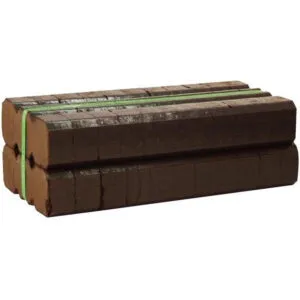
Buy wood briquettes online
Peat Briquettes for sale
Lignite vs Coal Briquettes: Complete Heating Fuel Comparison Guide
When winter approaches and heating costs begin to climb, homeowners across Europe face an important decision: which solid fuel will provide the best warmth, efficiency, and value? The choice between lignite briquettes vs coal briquettes has become increasingly relevant as more households seek cost-effective alternatives to gas and oil heating.
We’ve spent years supplying quality fuel products to European customers, and we understand the confusion surrounding these two popular heating options. Both lignite and coal briquettes offer distinct advantages, but understanding their differences can save you money and improve your home’s heating efficiency.
What Are Lignite Briquettes?
Lignite briquettes, also known as brown coal briquettes, are manufactured from compressed lignite coal particles. According to Wikipedia, lignite is the lowest rank of coal, containing approximately 25 to 35 percent carbon content. These briquettes are created by pressing dried brown coal particles into uniform, compact blocks without requiring binding agents, as the natural lignin in the material binds the particles together.
The production process involves drying the lignite to reduce moisture content (typically between 2 to 5 percent in the finished product), then compressing it under high pressure. This creates dense, uniform blocks that are easy to handle, store, and burn efficiently in stoves and fireplaces.
Key Characteristics of Lignite Briquettes
Energy density represents one of the primary strengths of lignite briquettes. Research from test-vergleiche.com indicates these briquettes provide consistent heat output over extended periods, making them ideal for maintaining steady temperatures throughout cold winter nights.
The calorific value of quality lignite briquettes ranges between 15 to 20 MJ/kg, which, while lower than higher-grade coals, remains sufficient for residential heating applications. Their uniform shape and size ensure predictable burning characteristics, something traditional firewood cannot match.
Buy Coal Briquettes Online: Understanding Your Options
Coal briquettes differ significantly from their lignite counterparts. These compressed blocks are manufactured from coal dust, coal fines, or a mixture of coal particles with binding agents. The binding agent (often pitch, tar, or starch) helps maintain structural integrity and influences burning characteristics.
Traditional coal briquettes typically use higher-grade coal, including bituminous coal, which contains greater carbon content (45 to 86 percent) compared to lignite. This higher carbon concentration translates to increased heat output per kilogram of fuel burned.
Types of Coal Briquettes Available
When you buy coal briquettes online, you’ll encounter several varieties:
Smokeless briquettes are designed for domestic use, particularly in areas with smoke emission regulations. These burn cleaner than raw coal, producing minimal visible smoke.
Thermal briquettes are optimized for industrial boilers and furnaces, offering consistent heat output and extended burning times.
Mixed-fuel briquettes combine coal fines with biomass materials, offering a balance between combustion performance and environmental considerations.
Best Wood Briquettes vs Coal: Burning Time Comparison
One crucial factor in choosing heating fuel is burning time. According to research published by test-vergleiche.com, lignite briquettes demonstrate impressive burning characteristics, with some premium brands maintaining heat for up to 12 hours in properly configured heating systems.
Burning duration depends on multiple factors:
- Briquette density: More compressed briquettes burn longer
- Moisture content: Lower moisture equals better efficiency
- Airflow management: Proper ventilation control extends burn time
- Heating appliance design: Gasification boilers maximize efficiency
Coal briquettes generally burn at slightly lower temperatures (around 600°C) compared to lump charcoal but maintain this heat for considerably longer periods. A study from Maxton revealed that honeycomb coal briquettes achieve 30 percent thermal efficiency, compared to 20 percent for round coal briquettes and only 10 percent for lump coal.
Practical Burning Time Expectations
For residential heating, expect the following approximate burning times:
Lignite briquettes: 8 to 12 hours per load in modern gasification boilers; 4 to 6 hours in traditional stoves
Coal briquettes: 6 to 10 hours depending on grade and appliance efficiency
Wood logs: 2 to 4 hours (significantly shorter than either briquette type)
The extended burning time of both lignite and coal briquettes reduces the frequency of refueling, a considerable advantage during overnight heating when you don’t want to constantly tend your fire.
How Long Do Wood Pellets Last Compared to Briquettes?
While wood pellets represent another heating option, briquettes offer distinct advantages. A 40-pound bag of wood pellets typically lasts 24 hours when burning continuously at medium settings, but this requires specialized pellet stoves or boilers.
Briquettes, whether lignite or coal, can be used in various heating appliances, including multi-fuel stoves, open fireplaces, and traditional heating systems. This versatility makes them more accessible for homeowners who haven’t invested in specialized equipment.
Environmental Impact: Lignite vs Coal Briquettes Emissions
The environmental considerations of burning solid fuels have become increasingly important. According to Eurostat data, the carbon emission factor for lignite in the EU averages 101.2 tCO₂/TJ, compared to 94.6 tCO₂/TJ for other bituminous coal.
Emission Profiles Explained
Lignite combustion produces higher CO₂ emissions per unit of energy generated compared to higher-grade coals. Research from Energy & Fuels found that brown coal briquettes showed higher emissions of compounds attributed to lignin decomposition when compared to wood combustion.
Coal briquettes, particularly those made from bituminous coal, generate fewer emissions per megawatt-hour than lignite but still contribute significantly to air pollution. Both fuel types release sulfur dioxide, nitrogen oxides, and particulate matter during combustion.
However, modern briquetting processes have improved environmental performance. A study published in the International Journal of Coal Science & Technology found that biomass briquettes (which can be mixed with coal) produce SO₂ emissions that are merely one-tenth of those from pure coal combustion, while NOₓ emissions are approximately one-fifth.
Reducing Environmental Impact
To minimize the environmental footprint of briquette heating:
Choose high-quality briquettes with lower sulfur content and higher calorific values
Ensure proper combustion by maintaining adequate airflow and avoiding smoldering fires
Consider mixed-fuel options that incorporate sustainable biomass materials
Invest in modern heating appliances with advanced combustion chambers that maximize efficiency
We offer various eco-conscious options, including biomass wood pellets that can complement or replace traditional briquettes in compatible heating systems.
Buy Lignite Briquettes Online: Cost Analysis
When comparing heating costs, both lignite and coal briquettes offer economic advantages over oil, gas, and electricity in many European regions. According to market research from test-vergleiche.com, lignite briquettes typically cost between €0.63 to €1.47 per kilogram, depending on quality, brand, and purchase quantity.
Price Factors to Consider
Bulk purchasing significantly reduces per-unit costs. Buying seasonal supplies during summer months often yields better prices than purchasing during peak heating season.
Transportation costs impact final pricing. Lignite is often mined and processed locally in countries like Germany, Czech Republic, and Poland, making it economically attractive in these regions.
Energy density affects true value. A fuel with higher calorific value provides more heat per kilogram, potentially justifying higher purchase prices.
| Fuel Type | Average Cost (€/kg) | Calorific Value (MJ/kg) | Cost per MJ (€) | Burning Time (hours) |
|---|---|---|---|---|
| Lignite Briquettes | 0.80 – 1.20 | 18 – 20 | 0.044 – 0.067 | 8 – 12 |
| Coal Briquettes | 0.70 – 1.10 | 22 – 28 | 0.032 – 0.050 | 6 – 10 |
| Firewood (dried) | 0.15 – 0.30 | 14 – 16 | 0.010 – 0.021 | 2 – 4 |
| Wood Pellets | 0.40 – 0.60 | 17 – 19 | 0.023 – 0.035 | Varies |
Note: Prices and values represent averages across European markets and may vary by region and season.
Where to Buy Wood Briquettes Near Me: Storage Considerations
Proper storage maximizes the value and performance of your fuel investment. Both lignite and coal briquettes require dry, well-ventilated storage areas protected from moisture.
Storage Best Practices
Keep briquettes elevated off concrete floors to prevent moisture absorption from ground contact
Ensure good ventilation to prevent condensation and potential spontaneous combustion (particularly important for lignite)
Cover outdoor storage with waterproof tarpaulins while maintaining airflow
Rotate stock by using older supplies first to prevent degradation
Lignite briquettes are particularly susceptible to moisture absorption and can degrade when exposed to air through a process called slacking. According to Wikipedia’s lignite article, this degradation occurs rapidly, making proper storage essential.
For those seeking convenient delivery, we provide comprehensive solutions for customers across Europe. Our shop offers various fuel options with reliable shipping to your location.
What Else Can You Use Wood Pellets For Beyond Heating?
While our focus remains on heating fuels, it’s worth noting that wood pellets serve multiple purposes. Beyond their primary heating function, they’re used for:
Animal bedding in agricultural settings
Cat litter as an absorbent, natural alternative
Barbecue smoking for flavor enhancement
Garden mulch after burning (ash contains valuable minerals)
This versatility adds value to wood pellets, though briquettes remain purpose-specific for heating applications.
Is It Cheaper to Burn Wood or Pellets? Complete Cost Comparison
The question “is it cheaper to burn wood or pellets?” depends on multiple factors, which we’ve explored in detail in our comprehensive cost analysis.
Initial investment varies significantly. Traditional wood burning requires only a basic stove or fireplace, while pellet systems need specialized equipment costing €2,000 to €5,000. Briquette burning falls between these extremes, working with most existing solid-fuel appliances.
Operating costs favor briquettes in many scenarios:
Firewood requires significant labor (cutting, splitting, stacking, seasoning)
Wood pellets demand electricity to operate automatic feeders and fans
Briquettes need minimal handling and no electricity for basic systems
Best Wood Pellets UK: Comparing Quality Standards
For customers interested in premium fuel options, understanding quality certifications proves essential. While this primarily applies to wood pellets, similar quality standards influence briquette manufacturing.
ENplus certification for pellets ensures:
- Consistent calorific value
- Low ash content
- Minimal moisture
- Controlled additives
- Reliable supply chain
Similarly, reputable briquette manufacturers maintain quality standards through:
Consistent compression ensures uniform density
Moisture control, keeping content below 5 percent
Size standardization for predictable performance
Emission testing verifying environmental compliance
We stock certified EN Plus A1 wood pellets for customers prioritizing quality assurance.
Buy Wood Briquettes Online: Choosing the Right Product
When you buy wood briquettes online, several factors should guide your decision:
Quality Indicators
Appearance: Quality briquettes display uniform color and consistent shape without excessive crumbling
Density: Heavier briquettes contain more compressed material, generally indicating better heat output
Moisture content: Premium products maintain moisture below 5 percent
Ash production: Lower ash content means more efficient combustion and less cleaning
Brand Reputation
Established manufacturers invest in quality control and customer satisfaction. Research from test-vergleiche.com evaluated multiple brands, finding that products from PALIGO, Energie Kienbacher, and other recognized manufacturers consistently delivered superior performance.
We pride ourselves on sourcing only high-quality products. Our RUF wood briquettes and Nestro briquettes represent premium options backed by rigorous quality standards.
Are Wood Pellets Safe to Use Indoors? Safety Considerations
Safety remains paramount when burning any solid fuel. Whether using lignite briquettes, coal briquettes, or alternatives, proper ventilation and appliance maintenance prevent dangerous situations.
Carbon Monoxide Risks
Carbon monoxide poisoning represents the most serious hazard associated with solid fuel burning. This colorless, odorless gas can accumulate in poorly ventilated spaces, leading to serious health consequences or death.
According to historical data from South Korea referenced in Wikipedia’s article on East Asian coal briquettes, carbon monoxide from coal-heated houses was a major cause of death before modern boiler systems became widespread.
Prevention measures include:
Installing carbon monoxide detectors in sleeping areas and near heating appliances
Ensuring chimneys and flues are professionally swept annually
Never block ventilation openings
Using properly designed heating appliances with adequate air supply
For detailed safety information, consult our FAQ section covering common concerns about solid fuel heating.
Proper Appliance Selection
Gasification boilers designed specifically for lignite and coal briquettes optimize safety and efficiency. Research from ATMOS shows these systems achieve up to 12-hour burning times with high efficiency through pre-heated primary and secondary air systems.
Multi-fuel stoves offer versatility but may not extract maximum efficiency from every fuel type. When selecting appliances, match the stove’s design to your primary fuel choice.
Which Burns Longer: Lignite or Coal Briquettes?
In direct comparison, the burning duration depends more on briquette quality and heating system design than simply whether you choose lignite or coal. However, some general patterns emerge:
Lignite briquettes in optimized gasification systems can maintain heat for 8 to 12 hours per load. Their lower carbon content means they burn slightly faster than high-grade coal at equivalent densities, but modern compression techniques and quality manufacturing have narrowed this gap significantly.
Coal briquettes made from bituminous coal often achieve 6 to 10 hours of sustained burning. While their higher carbon content suggests longer burning, the actual duration varies based on binder type, compression level, and appliance airflow management.
Maximizing Burning Duration
To extend burning time with either fuel type:
Load briquettes correctly: Pack them tightly without blocking airflow
Control air supply: Reduce oxygen flow once the fire is established
Use overnight settings: Many modern stoves feature dampers specifically for extended burning
Bank the fire: Place fresh briquettes on established coals for gradual ignition
Avoid excessive stirring: Disturbing the fire introduces oxygen and accelerates burning
Our customers report excellent results using Pini Kay briquettes for overnight heating, with many achieving 10-plus hours of sustained warmth.
Buy Sawdust Briquettes: Alternative Fuel Options
While lignite and coal briquettes dominate the solid fuel market, sawdust briquettes represent an increasingly popular alternative. These compressed wood products offer environmental advantages while maintaining competitive heating performance.
Advantages of Biomass Alternatives
Lower emissions: Wood-based briquettes typically produce fewer harmful pollutants than fossil fuel options
Renewable resource: Unlike coal and lignite, wood materials are renewable when sourced from sustainable forestry
Carbon neutrality: Burning biomass releases carbon recently absorbed by growing plants, unlike fossil carbon locked underground for millions of years
Versatility: Many heating appliances designed for coal or lignite can burn wood briquettes with minor adjustments
Research from the International Journal of Coal Science & Technology indicates that biomass briquettes can be effectively mixed with coal to reduce emissions while maintaining heat output, offering a transitional solution for environmentally conscious consumers.
Buy Wood Chips Online: Complete Fuel Range
Beyond briquettes and pellets, we offer comprehensive fuel solutions, including wood chips, wood shavings, and specialized products like hay pellets.
Each fuel type serves specific applications:
Wood chips: Ideal for larger biomass boilers and commercial heating systems
Wood shavings: Primarily used for animal beddin,g but can be compressed into briquettes
Hay pellets: Agricultural byproduct offering competitive heat output with sustainable sourcing
Our diverse product range ensures you’ll find the right fuel for your specific needs and equipment.
How to Choose Between Lignite and Coal Briquettes
Your choice between lignite briquettes and coal briquettes should consider several practical factors:
Heating Requirements
Continuous heating: If you need steady warmth throughout the day and night, lignite briquettes in a gasification boiler provide excellent results
Intermittent heating: For occasional use or supplementary heat, coal briquettes’ higher energy density may offer better value
Peak heat needs: Coal briquettes generally produce higher maximum temperatures, useful for quickly warming cold spaces
Local Availability and Regulations
Regional fuel sources: Choose fuels produced locally to minimize transportation costs and environmental impact
Emission regulations: Some municipalities restrict certain fuel types; verify local rules before purchasing
Supply consistency: Select fuels with reliable year-round availability to avoid supply disruptions
Budget Considerations
Initial fuel cost: Compare prices per kilogram, but also consider calorific value for true cost-per-heat comparison
Appliance compatibility: Ensure your heating system works efficiently with your chosen fuel to avoid wasted energy
Storage requirements: Factor in storage costs (shed construction, protective covers) when calculating total investment
Delivery fees: Bulk orders often include free or reduced delivery, improving overall value
For personalized recommendations based on your specific situation, contact our team for expert guidance.
Buy Hardwood Briquettes Online: Premium Options
For those prioritizing maximum heat output and extended burning times, hardwood briquettes represent the premium end of the wood fuel spectrum. While technically different from coal or lignite products, they compete effectively in the residential heating market.
Hardwood briquettes combine the environmental advantages of wood fuel with the convenience and efficiency of compressed blocks. Made from dense hardwood sawdust compressed without additives (natural lignin serves as the binder), these briquettes achieve impressive calorific values approaching 20 MJ/kg.
Premium Hardwood Options
Our selection includes specialized products for discerning customers:
Beech firewood and hornbeam firewood represent traditional high-quality heating woods
Alder firewood offers excellent burning characteristics with a pleasant aroma
Oak sawdust briquettes combine the density of oak with the convenience of briquette form
Frequently Asked Questions
What is the main difference between lignite and coal briquettes?
The primary difference lies in the carbon content and rank of coal used. Lignite briquettes are made from brown coal with 25 to 35 percent carbon content, while coal briquettes typically use higher-grade bituminous coal containing 45 to 86 percent carbon. This results in coal briquettes having higher calorific values (22 to 28 MJ/kg) compared to lignite briquettes (18 to 20 MJ/kg). According to research from Wikipedia, lignite is the lowest rank of coal, making it less energy-dense than bituminous coal but often more affordable and readily available in certain European regions.
Which briquette type burns longer, lignite or coal?
Burning duration depends more on briquette quality, compression level, and heating system design than simply the fuel type. High-quality lignite briquettes in modern gasification boilers can maintain heat for 8 to 12 hours, while coal briquettes typically achieve 6 to 10 hours of sustained burning. Research from test-vergleiche.com indicates that properly manufactured lignite briquettes burn longer and more evenly than firewood, with some premium brands featuring special additives that extend combustion duration. The key factors affecting burn time include briquette density, moisture content (should be below 5 percent), airflow management, and proper loading techniques.
Are lignite briquettes or coal briquettes more environmentally friendly?
Neither fuel type can be considered truly environmentally friendly by modern standards, but there are differences in their emission profiles. According to Eurostat data, lignite has a carbon emission factor of 101.2 tCO₂/TJ compared to 94.6 tCO₂/TJ for bituminous coal. This means coal briquettes generally produce slightly lower CO₂ emissions per unit of energy generated. However, both fuel types release sulfur dioxide, nitrogen oxides, and particulate matter. For more eco-conscious heating, consider mixed biomass briquettes or certified wood pellets, which offer renewable alternatives with lower net carbon emissions.
Can I use both lignite and coal briquettes in the same heating system?
Yes, many multi-fuel stoves and heating systems can burn both lignite and coal briquettes, though optimal performance requires understanding each fuel’s characteristics. Some users successfully blend different briquette types to balance cost, heat output, and burning duration. According to REKORD’s product information, lignite briquettes work well in combination with wood, coal, or anthracite in multi-fuel stoves, cookers, and boilers. However, ensure your heating appliance’s manual permits mixed fuel usage, and never switch fuel types mid-burn. Start with one fuel type, let it burn completely, clean the ash, then load the alternative fuel. For specific compatibility questions, consult our FAQ section or contact our technical support team.
How much money can I save by using briquettes instead of gas or oil heating?
Savings potential varies significantly based on regional energy prices, heating efficiency, home insulation, and usage patterns. In many European regions, briquette heating costs 40 to 60 percent less than oil or gas per kilowatt-hour of heat produced. For a typical 150-square-meter home in Central Europe, annual heating costs might be €2,000 to €3,000 using gas or oil, compared to €800 to €1,500 using quality briquettes. However, factor in additional considerations like appliance installation costs, chimney maintenance, and the labor involved in handling solid fuel. A study from Coal Hut notes that their lignite briquettes were priced from as little as £4.28 per bag, significantly cheaper than equivalent heat from traditional hardwood. For a detailed cost comparison specific to your situation, explore our article on pellet vs gas heating costs.
What is the best storage method for lignite and coal briquettes?
Proper storage is critical for maintaining briquette quality and preventing degradation. Both lignite and coal briquettes must be kept in dry, well-ventilated areas protected from moisture and direct weather exposure. Store briquettes elevated off concrete floors using pallets or wooden platforms to prevent moisture absorption. Cover outdoor storage with waterproof tarpaulins while ensuring adequate airflow to prevent condensation. Lignite briquettes are particularly susceptible to moisture and can rapidly degrade when exposed to air, a process called slacking according to Wikipedia. Never store briquettes in sealed plastic containers, as trapped moisture can lead to mold or spontaneous combustion. Ideal storage locations include garden sheds, garages with good ventilation, or purpose-built fuel stores. Rotate your stock by using older supplies first, and purchase only what you can use within one heating season to ensure optimal performance.
Are wood briquettes better than coal or lignite briquettes for home heating?
Wood briquettes offer several advantages over coal and lignite options, particularly regarding environmental impact and renewable sourcing. Wood briquettes are carbon-neutral (carbon released was recently absorbed by growing trees), produce fewer harmful emissions, and are made from renewable resources. According to research from IW Machines, briquettes are denser and have higher calorific values than coal, producing more heat per unit of fuel. However, coal and lignite briquettes typically provide higher maximum temperatures and longer burning times in direct comparison. The best choice depends on your priorities: if environmental sustainability is paramount, choose wood pellets or hardwood briquettes. If maximizing heat output and burning duration while minimizing costs are priorities, lignite or coal briquettes may better suit your needs. Many homeowners use a combination approach, burning wood-based fuels during milder weather and reserving coal or lignite for the coldest periods.
Key Takeaways: Making Your Decision
After exploring the detailed comparison between lignite and coal briquettes, several key points emerge:
Performance differences: Coal briquettes generally offer higher calorific values (22 to 28 MJ/kg) compared to lignite briquettes (18 to 20 MJ/kg), but quality lignite products can achieve comparable heating performance in optimized systems.
Cost considerations: Lignite briquettes often cost less per kilogram, but coal briquettes may provide better value per unit of heat generated due to higher energy density.
Environmental impact: Neither fossil fuel option is environmentally ideal, but coal briquettes produce slightly lower CO₂ emissions per energy unit. Consider biomass alternatives like wood pellets for more sustainable heating.
Burning characteristics: Both fuel types provide extended burning times (6 to 12 hours) significantly exceeding traditional firewood, reducing the need for constant fire tending.
Regional availability: Choose fuels produced locally to minimize transportation costs and environmental impact while ensuring reliable supply.
Safety requirements: Regardless of fuel choice, proper ventilation, regular appliance maintenance, and carbon monoxide detectors are essential for safe operation.
Storage needs: Both lignite and coal briquettes require dry, ventilated storage protected from moisture to maintain quality and prevent degradation.
The optimal choice depends on your specific circumstances, including heating requirements, budget, local fuel availability, environmental priorities, and existing heating equipment.
Contact Us for Expert Guidance
Choosing the right heating fuel represents an important decision affecting your comfort, budget, and environmental footprint throughout the heating season. Our team has extensive experience helping European customers select optimal fuel solutions for their specific needs.
We offer comprehensive support including:
Fuel recommendations based on your heating system and requirements
Bulk ordering options with competitive pricing for seasonal supplies
Delivery services across our European service area
Technical advice on appliance compatibility and optimal burning techniques
Visit our comprehensive shop to explore our complete range of heating fuels, including premium briquettes, certified pellets, firewood, and specialized products. For personalized assistance, contact our team today.
We’re committed to providing high-quality, sustainably sourced fuels that keep your home warm and comfortable throughout the coldest months while respecting both your budget and the environment.
References
- Wikipedia. (2025). “Lignite.” Retrieved from https://en.wikipedia.org/wiki/Lignite
- Test-Vergleiche.com. (2025). “Lignite Briquettes Test & Comparison 2025 – Guide.” Retrieved from https://test-vergleiche.com/en/braunkohlebriketts/
- IW Machines. (2025). “Briquettes vs Coal: Why Briquettes Are the Best Fuel Option.” Retrieved from https://iwmachines.co.uk/briquettes-vs-coal-wood-sustainable-fuel/
- International Journal of Coal Science & Technology. (2025). “Advancing green sustainability: A comprehensive review of biomass briquette integration for coal-based energy frameworks.” Retrieved from https://link.springer.com/article/10.1007/s40789-025-00779-0
- Eurostat. (2023). “Production of lignite in the EU – statistics.” Retrieved from https://ec.europa.eu/eurostat/statistics-explained/index.php?title=Production_of_lignite_in_the_EU_-_statistics
- Maxton Industrial Co. (2023). “Things you need to know about coal briquetting.” Retrieved from https://maxtonco.com/things-you-need-to-know-about-coal-briquetting/
- ATMOS. (2025). “Lignite briquettes and black coal gasification boilers.” Retrieved from https://www.atmos.eu/en/product/lignite-briquettes-and-black-coal-gasification-boilers/