

 Čeština
 Deutsch
 Română
Wood Chips vs Mulch: What’s the Difference and Which Is Better?
Understanding Wood Chips vs Mulch Differences helps you choose the right ground cover for your garden. Wood chips offer long-lasting coverage for pathways and erosion control, while mulch enriches soil faster, making each material perfect for specific landscaping needs. Both suppress weeds and retain moisture effectively.
When you’re standing in your garden contemplating which ground cover to spread around your plants, the choice between wood chips and mulch can feel overwhelming. Both materials promise weed suppression, moisture retention, and improved soil health, yet they serve distinctly different purposes. We at Wood-Břežany S.R.0 understand this dilemma because we’ve guided countless European gardeners through this decision.
The truth is that neither wood chips nor mulch deserves a blanket recommendation. Your choice depends on whether you’re covering garden paths, nurturing flower beds, or protecting tree roots. Wood chips generally cost around £85 per cubic yard and feature larger, uniform pieces, while mulch ranges from £30 to £150 per cubic yard with a finer, more shredded texture. Throughout this guide, we’ll examine the composition, benefits, costs, and best applications for each material so you can make an informed choice.
What Are Wood Chips and How Do They Differ from Mulch?
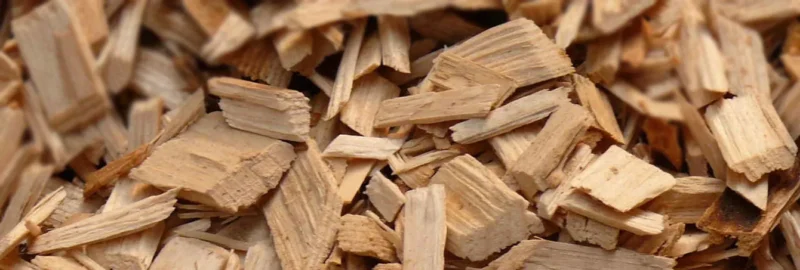
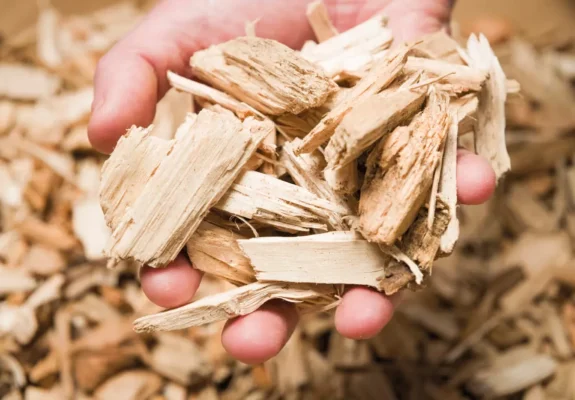
Wood chips represent chunky pieces derived from the interior wood of trees, created when branches, trunks, and limbs pass through a chipper. These chunks typically measure approximately four inches long and three inches wide, making them substantially larger than most mulch materials. Tree service companies often produce wood chips as byproducts during pruning work, and many arborists will deliver loads for free or minimal cost.
The term “mulch” encompasses a broader category of materials. Mulch includes various organic and inorganic materials spread over soil surfaces, including straw, grass clippings, pine needles, leaves, compost, shredded wood and bark, stones, gravel, and plastic sheets. When gardeners reference mulch specifically in contrast to wood chips, they typically mean bark mulch or shredded hardwood mulch, which features a finer, more uniform texture.
The physical composition creates the fundamental distinction. While wood chips come from the interior part of trees, bark mulch comes from the exterior portion. This difference in source material produces variations in texture, density, decomposition rate, and suitability for different garden applications.
Understanding the Manufacturing Process
Wood chips emerge naturally from tree maintenance activities. When arborists prune trees or remove branches, they feed the woody material through a chipper that reduces it to manageable pieces. The resulting chips include not only wood but often bits of bark, leaves, and twigs, creating chemical and physical diversity that resists compaction and houses diverse microbes, insects, and organisms.
Manufactured mulch products undergo more processing. Bark mulch gets created by stripping and shredding the outer bark from logs at lumber mills. Some mulch products combine various wood waste materials, running them through grinders that produce finer, more uniform pieces. Dyed mulches receive additional treatment with colorants, typically in red, brown, or black hues to enhance landscape aesthetics.
Buy Wood Chips Online: Key Benefits for Your Garden
Wood chips bring several compelling advantages that make them ideal for specific garden applications. Understanding these benefits helps you determine whether purchasing wood chips online suits your landscaping needs.
Superior Weed Suppression and Long-Term Coverage
Wood chips maintained at a depth of 4 to 6 inches effectively control weeds without detracting from appearances. The substantial size of wood chips creates a physical barrier that prevents light from reaching weed seeds below. Unlike finer materials that compact over time, wood chips maintain air spaces that inhibit germination while allowing water penetration.
For those considering hardwood mulch suppliers, wood chips offer remarkable longevity. Wood chips break down slowly, offering long-term ground cover, which means fewer applications and reduced maintenance costs over time. We’ve observed that properly applied wood chip layers can last two to three years before requiring replenishment, compared to annual applications needed for finer mulch materials.
Excellent Moisture Retention Without Waterlogging
Wood chips are chunkier and more irregularly shaped, allowing water to flow more easily through the porous groundcover. This characteristic prevents the matting and water-shedding problems associated with overly fine mulches. Rain penetrates wood chip layers readily, yet the material moderates evaporation by shading the soil surface.
Wood chips provide insulation for the soil, cooling hot soils and warming cold ones, which proves particularly valuable during extreme weather. The temperature moderation extends the growing season by protecting roots from late spring frosts and summer heat stress. At Wood-Břežany, we source our alder wood chips and pine wood chips from sustainably managed forests to ensure quality material for your garden.
Natural Soil Amendment and Ecosystem Support
As wood chips decompose, they gradually enrich soil with organic matter. Wood chips rot and feed the soil, eliminating the need for artificial chemical nutrients. This slow-release nutrition supports long-term soil fertility rather than providing quick fixes that wash away or burn plants.
The diverse composition of wood chips creates habitat for beneficial organisms. Wood chip mulches provide room for beneficial insects such as earthworms to decompose organic material and leave behind worm castings, which rank among nature’s finest fertilizers. The microbe-rich environment beneath wood chip layers improves soil structure, creating the loose, friable texture that plant roots crave.
Best Wood Pellets and Alternative Materials Available
While considering ground covers, many European gardeners also explore related products like wood pellets for heating and wood briquettes for sale. These compressed wood products offer efficient burning for home heating, though they serve different purposes than landscaping materials. Understanding the full range of wood-based products helps you make comprehensive decisions about wood use on your property.
For those interested in complete garden solutions, our wood shavings for poultry bedding provide excellent absorption and odor control, while our pine sawdust serves multiple purposes from animal bedding to workshop cleanup. Each wood product fills a specific niche in property management.
When to Choose Mulch Over Wood Chips
Mulch excels in situations where rapid soil improvement and aesthetic appeal take priority. Understanding when to select mulch over wood chips prevents disappointment and maximizes your landscaping investment.
Faster Decomposition for Nutrient Release
Mulch decomposes faster than wood chips, providing faster soil enrichment and nutrient release. This accelerated breakdown benefits flower beds, vegetable gardens, and newly established plantings that require regular nutrient inputs. The finer texture of shredded mulch allows decomposition organisms to work more efficiently, converting organic matter into plant-available nutrients within a single growing season.
Annual gardens particularly benefit from mulch’s quick decomposition. When you’re growing vegetables or flowers with seasonal lifecycles, the rapid nutrient contribution supports vigorous growth. The decomposed material integrates into soil structure by season’s end, allowing for easy bed preparation the following spring.
Superior Aesthetic Appeal and Uniform Coverage
Mulch is finer and more uniform in texture, providing a neat appearance that suits formal garden designs. The consistency of color and texture creates clean visual lines around specimen plants, along borders, and in display beds. Dyed mulches offer additional aesthetic options, allowing you to coordinate ground cover with architectural elements or plant colors.
For property frontage and high-visibility areas, mulch’s refined appearance often justifies its higher maintenance requirements. The material stays in place better on slopes when properly applied, though it requires more frequent replenishment than wood chips. When purchasing firewood online from our German market, many customers also inquire about coordinating mulch materials for comprehensive landscape projects.
How to Use Wood Chips for Garden Pathways
Garden pathways represent one of wood chips’ most successful applications. Woodchips help prevent compaction and erosion in paths and create a stable surface that prevents muddy messes after rain. The material doesn’t stick to shoes regardless of moisture levels, maintaining clean walking surfaces throughout wet weather.
When establishing paths with wood chips, apply material to a depth of 4 to 6 inches for optimal performance. This thickness suppresses pathway weeds while providing cushioning that protects soil structure beneath. The biological activity under woodchips, including worms and microbes, keeps the soil aerated and prevents compaction, maintaining healthy growing conditions for adjacent plants.
For permanent pathway installations, consider laying landscape fabric beneath wood chips to extend their functional life and provide additional weed suppression. Replenish chips annually by adding fresh material atop existing layers, allowing lower layers to decompose and enrich surrounding soil. Our cedar wood shavings provide aromatic pathway options that naturally deter certain insects.
Which Wood Chips Are Best for Mulch Applications?
Hardwood chips generally outperform softwood varieties for mulching purposes. Oak, maple, and ash chips decompose at moderate rates, providing extended coverage while eventually enriching soil. These hardwoods resist compaction better than softwoods and typically contain fewer allelopathic compounds that might inhibit plant growth.
Pine and spruce chips work well in acid-loving plant beds. Contrary to common concerns, research shows that woody mulches do not significantly lower soil pH in garden applications. However, fresh pine chips do decompose somewhat faster than hardwoods and may require more frequent replenishment. For those seeking pine vs hardwood wood chips comparison information, consider your specific plants’ moisture and nutrient requirements.
Cedar and redwood chips contain natural oils that repel certain insects, making them popular choices around foundations and in playground areas. These species resist decomposition exceptionally well, providing years of service without breakdown. However, their slower decomposition means reduced soil improvement benefits compared to other wood types.
Where to Buy Wood Chips for Landscaping Projects
Sourcing quality wood chips affordably requires understanding your local options. Many tree service companies offer free wood chip delivery when they’re working in your area. Contact local arborists and request placement on their delivery list. While you cannot specify chip type or size with free deliveries, the material generally proves suitable for most applications.
Landscape supply companies sell screened wood chips in bulk or by the bag. These products undergo processing to remove oversized pieces and ensure consistent quality. Prices vary based on wood type, with exotic species commanding premium rates. When you buy wood chips online UK, compare delivery costs carefully, as shipping heavy materials significantly impacts total expense.
At Wood-Břežany, we supply quality wood chips alongside our other products including dried firewood and wood pellets. Our European delivery network ensures prompt service across the continent, and our products meet ENPlus certification standards where applicable.
Wood Chips vs Mulch for Weed Control Comparison
Both materials suppress weeds, but through different mechanisms and with varying effectiveness. Wood chips create a substantial physical barrier that few weeds penetrate. Research demonstrates that weed control is directly linked to mulch depth, and shallow layers enhance rather than prevent weed growth. Maintaining adequate depth (4 to 6 inches) proves essential for wood chip weed suppression.
Mulch blocks light more completely due to its finer texture, preventing photosynthesis in weed seedlings beneath. However, mulch pieces are fairly finer and more easily blown away by wind, potentially creating gaps where weeds establish. Mulched areas require monitoring and spot treatment more frequently than wood-chipped zones.
The following comparison table illustrates key performance differences:
| Feature | Wood Chips | Mulch |
|---|---|---|
| Application Depth | 4-6 inches recommended | 2-4 inches sufficient |
| Weed Suppression | Excellent with proper depth | Very good, requires maintenance |
| Longevity | 2-3 years before replenishment | 1 year before replenishment |
| Light Blocking | Good (gaps between pieces) | Excellent (dense coverage) |
| Cost per Year | Lower (less frequent application) | Higher (annual application) |
| Best Location | Paths, slopes, tree circles | Flower beds, vegetable gardens |
For comprehensive weed management, consider combining both materials strategically across your property. Use wood chips for utilitarian areas and paths, reserving mulch for display gardens and intensive planting beds.
Can You Mix Wood Chips and Sawdust for Better Results?
Combining wood chips with sawdust creates a blended material that offers intermediate characteristics. Sawdust fills gaps between wood chips, increasing weed suppression and creating more uniform coverage. However, this combination raises important considerations about nitrogen availability.
Sawdust has an extremely high carbon-to-nitrogen ratio, even higher than wood chips. Soil organisms need nitrogen to decompose wood chips, which may occasionally bind up nitrogen necessary for plant growth. Mixing sawdust with chips intensifies this effect, potentially causing temporary nitrogen deficiency in plants.
If you choose to blend materials, apply the mixture only to pathways and non-planted areas where nitrogen immobilization won’t affect crops. Alternatively, incorporate supplemental nitrogen fertilizer when using mixed wood products around actively growing plants. We recommend our oak sawdust for specialized applications like smoking meats rather than general garden use.
Why Choose Wood Chips for Erosion Control on Slopes
Slope stabilization represents a critical challenge in many gardens, particularly after heavy rainfall. Wood chips excel in this application due to their size, weight, and interlocking nature. Wood chip mulch helps stabilize hillsides and sloped garden beds over time, preventing topsoil loss that diminishes fertility and creates downstream sedimentation problems.
The three-dimensional structure of wood chip layers absorbs water impact, dissipating erosive force before it dislodges soil particles. Water percolates through the chip layer gradually, allowing infiltration without generating runoff. As chips decompose, their organic matter binds with soil particles, creating stable aggregates that resist displacement.
For steep slopes, apply wood chips 6 to 8 inches deep, working from the bottom upward to prevent slippage during application. Consider using coarser chips or adding some branch material to the base layer for additional stability. Establish deep-rooted plants through the chip layer when possible, as root systems provide permanent erosion protection as chips decompose. Those managing larger properties with wood pellet heating systems might utilize ash from pellet stoves as a soil amendment beneath wood chip layers, adding minerals while improving moisture retention.
How Long Do Wood Chips Last Compared to Mulch?
Longevity significantly affects the true cost and convenience of ground covers. Wood chips typically provide service for 2 to 3 years before decomposing sufficiently to require replenishment. Hardwood chips may last even longer, particularly in dry climates where decomposition proceeds slowly.
Mulch breaks down more rapidly, usually requiring annual application. Mulch retains more moisture and breaks down nutrients, tending to decompose quicker and need more frequent replacing. While this rapid decomposition benefits soil fertility, it increases labor and material costs over time.
Climate dramatically influences decomposition rates for both materials. In humid, warm regions where microbial activity peaks, even wood chips may decompose within 18 months. Conversely, arid climates with minimal rainfall preserve both wood chips and mulch for extended periods. UV exposure also degrades surface materials, particularly affecting colored mulches that fade rapidly in full sun.
Calculate your true annual cost by dividing material and labor expenses by years of service. Wood chips often prove more economical despite higher initial volume requirements, particularly for large areas like orchard floors or extensive pathway systems. For heating needs, consider our wood briquettes Deutschland for efficient, long-burning performance.
Are Wood Chips Safe to Use Around Vegetables and Fruits?
Food garden safety concerns many gardeners who worry about contamination or nutrient problems when using wood chips near edibles. The research provides reassuring conclusions when chips are applied correctly.
Wood chips applied as surface mulch do not rob nitrogen from soil when kept on top rather than mixed in. Nitrogen temporarily moves into the decomposing chip layer, but plants’ roots grow below this zone where nitrogen remains available. As chips break down completely, they release more nitrogen than initially borrowed, ultimately benefiting soil fertility.
Regarding chemical concerns, wood chips from nature are unlikely to contain external chemicals and have remarkable chemical diversity, making them nutritional sources for plants. However, exercise caution with chips from treated lumber, painted wood, or unknown sources. Request only chips from untreated natural trees, avoiding material from demolition sites or construction waste.
Wood chips keep vegetable leaves clean by preventing soil splash during rain, reducing washing before consumption. This benefit proves especially valuable for leafy greens like lettuce and spinach that grow close to the ground. The cleaner produce and reduced washing extend to all low-growing vegetables and strawberries. Explore our guide on using sawdust as garden mulch for additional food garden options.
What Size Wood Chips Work Best for Different Applications?
Chip size profoundly affects performance and suitability. Coarse chips measuring 2 to 4 inches work best for pathways and slopes where stability and longevity matter most. The large pieces resist compaction and wind displacement while providing substantial weed suppression through physical bulk.
Medium chips ranging from 1 to 2 inches suit general landscaping around trees, shrubs, and perennial beds. This size balances weed control with aesthetic appeal, creating a neat appearance without the raw, chunky look of coarse material. Medium chips also decompose at moderate rates, contributing soil organic matter without requiring frequent replenishment.
Fine chips under 1 inch function similarly to shredded mulch, offering quick decomposition and soil improvement. These work well around annual flowers and vegetables, where soil fertility takes priority over longevity. However, fine chips compact more readily and blow away more easily than larger sizes.
For mixed-use properties, consider keeping different chip sizes on hand. Use coarse material for utility areas, medium chips for general landscaping, and fine chips for intensive planting beds. Many arborist loads contain a mix of sizes, which actually provides advantages by filling different niches in the chip layer. When purchasing RUF wood briquettes for heating, the uniform size ensures consistent burning, unlike variable wood chips.
How to Apply Wood Chips Without Nitrogen Problems
Nitrogen immobilization represents the most commonly cited concern about using wood chips in gardens. Understanding the science behind this phenomenon allows you to apply chips confidently without harming plants.
Fungi spread through woody debris with long hyphae that reach down and pull nitrogen up from soil during early decomposition stages. This nitrogen gets locked temporarily in fungal biomass, becoming unavailable to plants. However, this process occurs primarily within the chip layer itself, not in underlying soil where plant roots feed.
Maintain a clear distinction between wood chips as surface mulch and wood chips as soil amendment. Never till or mix fresh chips into planting soil, as this distributes high-carbon material throughout the root zone where nitrogen immobilization directly affects plants. Watch for general yellowish casts on plant leaves, whether young or old, indicating nitrogen binding issues.
Apply chips as a surface layer only, keeping them 2 to 3 inches away from plant stems and tree trunks. This spacing prevents moisture accumulation against bark while ensuring chips stay out of the active root feeding zone. Monitor new plantings closely during their first season in chipped beds, providing supplemental nitrogen fertilizer if yellowing occurs. Established plants with extensive root systems rarely show nitrogen deficiency symptoms from surface chips.
For gardens requiring immediate soil improvement, consider our compost-enriched products or allow chips to pre-decompose before application. Pile chips in an out-of-the-way location for 6 to 12 months, turning occasionally. Partially decomposed chips provide immediate soil benefits without nitrogen immobilization concerns. Some gardeners seeking biomass heating solutions prefer our pellet products for consistent energy output.
Key Takeaways: Wood Chips vs Mulch Decision Guide
Choosing between wood chips and mulch requires matching material characteristics to your specific landscape needs. Wood chips excel for pathways, slopes, and long-term ground coverage where durability and low maintenance take priority. Their coarse texture, slow decomposition, and excellent weed suppression make them ideal for utility areas and permanent plantings.
Mulch serves best around flowers, vegetables, and ornamental beds where aesthetic appeal and rapid soil improvement matter most. The finer texture, quicker decomposition, and superior moisture retention support intensive gardening while creating attractive displays. Annual replacement requirements increase maintenance but deliver consistent nutrient inputs.
Many successful landscapes combine both materials strategically. We recommend wood chips for the backbone of your property: paths, tree rings, and utility areas covering perhaps 60 to 70 percent of landscaped space. Reserve mulch for showcase beds, foundation plantings, and food gardens where its benefits justify higher maintenance and cost.
Consider these factors when deciding:
- Budget constraints favor wood chips due to their longer service life
- Available labor influences choice (chips need less frequent attention)
- Garden purpose (food production vs ornamental display)
- Aesthetic priorities (formal appearance vs natural look)
- Climate conditions (wet areas suit chips, dry areas suit mulch)
- Plant types (established trees vs annual flowers)
Frequently Asked Questions
What is the main difference between wood chips and mulch?
The primary distinction lies in composition and texture. Wood chips consist of chunky pieces from tree interiors, typically 2 to 4 inches in size, that decompose slowly over 2 to 3 years. Mulch represents a broader category including various organic materials with finer, more shredded texture that breaks down within a single year. Wood chips emphasize longevity and low maintenance, while mulch prioritizes rapid soil enrichment and aesthetic appeal.
Can I use wood chips instead of mulch in my garden beds?
Yes, wood chips work excellently in established garden beds around perennials, shrubs, and trees. However, avoid using fresh chips around annual vegetables or flowers in their first season, as temporary nitrogen immobilization may occur. Apply chips only as surface mulch rather than mixing into soil, maintaining depth of 4 to 6 inches for optimal weed suppression. Established plants with extensive root systems tolerate wood chips well and benefit from their long-term soil improvement.
How much do wood chips cost compared to mulch in the UK?
Wood chips typically cost around £60 to £90 per cubic yard when purchased, though many tree service companies deliver fresh chips free or for minimal cost. Mulch ranges from £30 to £150 per cubic yard depending on type, with dyed varieties commanding premium prices. When calculating true cost, factor in longevity: wood chips last 2 to 3 years, while mulch requires annual replacement, making chips more economical long-term despite potentially higher initial volume requirements.
Will wood chips attract termites or harmful insects?
Wood chips do harbor some insects including beneficial earthworms, beetles, and decomposers, but research shows they do not attract termites to structures when applied properly. Maintain a 12-inch clearance between wood chip mulch and building foundations to prevent any moisture-related issues. The insects present in wood chip layers generally prove beneficial, contributing to decomposition and supporting healthy soil ecosystems. Slugs and sowbugs may increase in chipped beds, but these typically cause minimal damage to established plants.
How deep should I apply wood chips for effective weed control?
Apply wood chips 4 to 6 inches deep for optimal weed suppression. Research demonstrates that shallow layers under 3 inches actually enhance weed growth by improving soil conditions without blocking sufficient light. Adequate depth prevents germination, blocks light to existing weeds, and provides physical barrier against weed establishment. On pathways or slopes requiring maximum durability, increase depth to 6 to 8 inches. Replenish annually with a thin top layer to maintain effective coverage as lower chips decompose.
Citations and References
- Angi: Wood Chips vs. Mulch – What’s the Difference?
- Leaf & Limb: 10 Reasons to Choose Wood Chips Over Mulch
- Georgia Landscaping: Mulch vs. Wood Chips – 4 Differences
- Evergreen Seeds: Wood Chips vs Mulch Identification Guide
- Simplify Gardening: Mulch Vs. Wood Chips Differences
- WSU Extension: Using Arborist Wood Chips as Landscape Mulch
- Rural Sprout: Is It Safe to Mulch Veggies with Wood Chips?