

 Čeština
 Deutsch
 Română
Wood Shavings for Poultry Bedding: Your Complete Guide to Premium Chicken Coop Comfort
Premium wood shavings for poultry bedding. Discover why pine shavings are best for chickens, with superior absorbency, odour control and health benefits. Order now. Premium pine wood shavings designed specifically for poultry bedding. Dust-extracted, highly absorbent, and naturally antibacterial. Our kiln-dried wood shavings keep your chickens comfortable, healthy, and your coop fresh. Ideal for all poultry types. Fully compostable after use. Order quality bedding your birds deserve.
When you step into a well-maintained chicken coop, the first thing that strikes you isn’t the sound of content clucking or the sight of glossy feathers. It’s the crisp, clean scent of fresh bedding and the complete absence of that acrid ammonia smell that plagues poorly kept coops. This simple distinction between a healthy poultry environment and a problematic one often comes down to a single choice: wood shavings.
At Wood-Břežany, we understand that choosing the right bedding material transforms your poultry keeping experience from a daily chore into genuine animal husbandry. Our premium wood shavings for sale aren’t just sawdust swept off a workshop floor. They’re carefully processed, kiln-dried materials that protect your flock’s respiratory health while making coop maintenance remarkably manageable.
Why Buy Wood Shavings for Poultry Bedding?
The question isn’t whether you need quality bedding, but rather which type serves your chickens best. Wood shavings provide exceptional moisture control and odour absorption, qualities that translate directly into healthier birds and fewer veterinary bills.
Consider the anatomy of chicken droppings. They contain roughly 75% moisture alongside significant ammonia content. When this waste sits on inappropriate bedding, bacterial populations explode, ammonia fumes concentrate, and respiratory diseases proliferate. Your hens begin showing signs of stress through reduced egg production, laboured breathing, and increased susceptibility to infection.
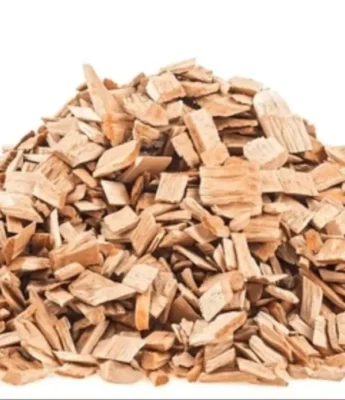
Pine wood shavings solve these problems through their remarkable absorbency. Wood shavings absorb moisture effectively to reduce bacteria and fungi while trapping odours. The cellular structure of pine contains natural air pockets that wick moisture away from the surface, keeping your chickens’ feet dry and preventing the bacterial bloom that causes bumblefoot and other contact diseases.
The Science Behind Superior Absorption
While many assume all bedding materials perform similarly, research tells a different story. Studies in actual poultry houses demonstrate that pine shavings have antimicrobial properties, though these natural antibacterial qualities work best when combined with proper ventilation and regular maintenance.
What makes pine particularly effective? The wood contains organic compounds called phenols (though in far lower concentrations than dangerous cedar). These compounds create an inhospitable environment for many common poultry pathogens without presenting the respiratory hazards associated with cedar shavings.
Best Wood Shavings for Chickens: What to Look For
Not all shavings equal quality bedding. When you buy wood shavings online, understanding the critical factors separates mediocre products from exceptional ones.
Dust content matters tremendously. Chickens possess extraordinarily sensitive respiratory systems. Dusty bedding particles become airborne with each wing flap and scratching motion, entering airways where they trigger inflammation. We process our cedar wood shavings and pine varieties through multiple screening processes to achieve 99% dust-free standards.
Moisture levels in fresh bedding shouldn’t exceed 15%. Kiln drying removes excess water that could harbour mould spores or encourage bacterial growth. Proper heat treatment at specific temperatures eliminates dangerous pathogens including E. coli and salmonella.
Particle size influences both performance and safety. Large flake shavings provide better loft and air circulation but may prove too coarse for young chicks. Medium-grade shavings offer the ideal balance for most poultry keepers, providing adequate cushioning without creating inhalation hazards.
| Feature | Premium Pine Shavings | Standard Straw | Sawdust | Cedar (Not Recommended) |
|---|---|---|---|---|
| Absorbency Rate | Excellent (100% capacity) | Good (700% of weight) | Superior | Excellent |
| Dust Level | 99% dust-free | Low to moderate | High | Low |
| Ammonia Control | Very good | Moderate | Good | Very good |
| Respiratory Safety | Safe | Safe | Risky for chicks | Dangerous |
| Composting Speed | 6-12 months | 4-8 months | 8-14 months | 12-18 months |
| Cost per Month (10 birds) | £8-12 | £6-10 | £5-8 | Not recommended |
| Temperature Insulation | Good | Excellent | Fair | Good |
How to Use Wood Shavings in Your Chicken Coop
Proper application determines whether your bedding investment pays dividends or creates problems. Start with a base layer of 10-15cm depth across your entire coop floor. This generous foundation provides cushioning when chickens jump from roosts and creates sufficient absorption capacity for several weeks of use.
Fresh bedding should be added weekly on top of existing material when using the deep litter method. This approach allows natural composting within the coop, generating warmth during cold months whilst gradually building a rich, dark soil amendment for your garden.
The deep litter method works particularly well in temperate climates. As beneficial microbes colonize the bedding, they break down organic matter and generate modest heat through decomposition. This biological activity actually suppresses pathogenic bacteria when conditions remain properly balanced. Monitor your bedding’s appearance and smell. Fresh layers should look light-coloured and smell pleasantly of pine or wood. Dark, compacted areas or ammonia odours signal time for removal and replacement.
For nest boxes, use mixed wood shavings at a depth of 5-8cm. Hens instinctively arrange nesting material to their preferences, and this depth allows adequate manipulation without eggs settling onto hard surfaces. Replace nest box bedding every 2-3 weeks, more frequently during muddy seasons when chickens track dirt into laying areas.
Buy Wood Shavings Online: Quality Matters
Purchasing bedding shouldn’t feel like navigating a minefield of misleading marketing and substandard products. We source our materials from sustainably managed European forests where timber quality meets rigorous standards. Our pine wood chips online come from the same carefully selected timber that supplies furniture manufacturers and construction projects.
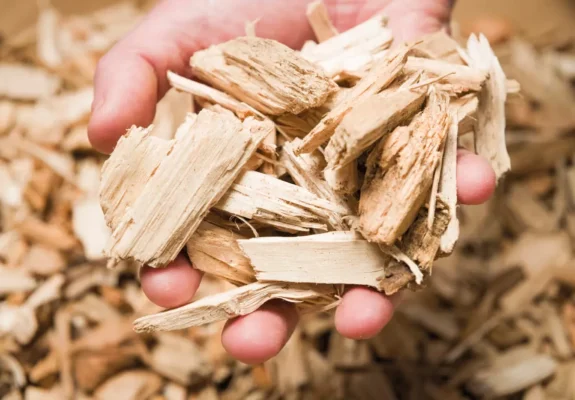
Processing makes the difference between good intentions and genuine quality. After harvesting, we kiln-dry all shavings to reduce moisture content and eliminate hitchhiking pests. The material then passes through industrial screens that remove fine particles and dust. This extra processing step costs more but delivers exponentially better value through extended use and healthier birds.
When comparing suppliers, ask specific questions about their processing methods. Many retailers purchase bulk shavings from generic sawmills, bag them, and resell without additional treatment. These products might cost less initially but create hidden expenses through faster degradation, increased health problems, and the need for more frequent replacement.
Our customers report using 30-40% less bedding annually when switching from basic shavings to our premium alder wood chips. The superior quality simply lasts longer whilst performing better throughout its lifespan.
Where Can I Buy Wood Shavings Near Me for Poultry?
Finding local suppliers certainly offers convenience, but quality consistency becomes problematic. Farm stores stock whatever their distributor provides that week, leading to wildly varying experiences. One bag might contain perfect flakes whilst the next holds dusty scraps unsuitable for poultry use.
Ordering online from specialized suppliers like Wood-Břežany guarantees consistent quality in every delivery. We maintain strict quality control throughout our supply chain, ensuring each bag meets identical specifications whether you order one or one hundred.
European delivery networks now make online ordering faster than driving to rural feed stores. Most orders arrive within 3-5 business days across the UK and EU, often with free shipping on larger purchases. Bulk pricing further reduces per-unit costs below what local retailers charge for inferior products.
Wood Shavings vs Sawdust for Chickens: Understanding the Difference
Many newcomers confuse these distinct products, assuming sawdust simply represents finely ground shavings. Sawdust offers superior absorption but creates respiratory hazards through its fine particles. These tiny fragments become airborne with minimal disturbance, coating chicken respiratory passages and potentially causing chronic inflammation.
Shavings maintain larger particle sizes that don’t become easily airborne. They provide adequate absorption whilst minimizing dust exposure. For mature chickens with robust health, quality shavings represent the optimal choice. Young chicks or birds with existing respiratory conditions benefit even more from the low-dust environment premium shavings create.
Consider mixing materials strategically. Some poultry keepers use coarser shavings as a base layer with finer materials on top. This approach combines the drainage and longevity of large flakes with the immediate absorption of smaller particles. We offer buy pine sawdust online for customers wanting to experiment with layered bedding systems.
Are Wood Chips Good for Chickens?
Wood chips differ from shavings through their irregular shapes and larger sizes. Wood chips can be cost-effective and work well for deep litter methods, though they don’t absorb as quickly as finer shavings.
The irregular geometry of chips creates air spaces that promote drainage and prevent compaction. In outdoor runs or covered areas with high traffic, chips excel by remaining loose and workable even under constant chicken activity. They’re less suitable for indoor coops where immediate absorption becomes critical.
Fresh wood chips from tree services or chippers may contain excessive moisture. If fresh, the moisture level can be high and therefore not as absorbent, causing faeces to build up on top. Always ensure chips have dried thoroughly before introducing them to your coop. Spread fresh chips outdoors in sunlight for several days, turning regularly to promote even drying.
What Wood Shavings Are Safe for Chickens?
Safety begins with species selection. Pine and spruce provide excellent, safe options for poultry. Their natural oils offer mild antimicrobial properties without harmful volatiles. We process both pine wood chips and spruce sawdust to exacting standards for poultry use.
Never use cedar shavings for poultry bedding. Cedar contains aromatic oils called phenols that are toxic to chickens and can damage respiratory systems, particularly in young chicks. These compounds cause chronic respiratory irritation, reduce immune function, and have been linked to liver damage in prolonged exposure.
Treated lumber shavings present another critical danger. Never use materials from construction sites, furniture workshops, or renovation projects. Pressure-treated wood contains arsenic compounds, whilst painted or stained wood leaches toxic heavy metals and organic solvents. Even “safe” treatments like deck stains can prove harmful in the enclosed environment of a chicken coop.
Hardwood shavings from oak, beech, or ash work adequately but absorb moisture more slowly than softwoods. Hardwood doesn’t absorb water as quickly as softer woods and tends to harbour mould once wet. If using hardwoods, plan on more frequent replacement and vigilant monitoring for mould development.
Organic Wood Shavings for Poultry: Why Choose Natural?
Organic certification matters for poultry keepers maintaining chemical-free flocks. Conventional forestry may use pesticides, herbicides, and growth regulators that persist in wood products. Whilst processing reduces these residues, complete elimination remains uncertain.
Our sustainable wood shavings come from forests managed without synthetic chemicals. These timber stands rely on integrated pest management and natural competition to maintain forest health. The resulting shavings contain no pesticide residues, making them ideal for organic egg production or meat raising.
Beyond chemical concerns, sustainable forestry practices ensure long-term availability of quality bedding materials. Responsible forest management maintains biodiversity, protects water quality, and sequesters carbon whilst providing renewable resources. When you choose sustainably sourced bedding, you invest in both your flock’s health and environmental stewardship.
Best Price Wood Shavings for Chickens UK
Pricing varies dramatically across suppliers, but focusing solely on unit costs proves counterproductive. A bag of cheap shavings lasting two weeks costs more ultimately than premium materials lasting six weeks.
Calculate bedding costs by performance period rather than purchase price. Premium shavings priced at £12 per bag but lasting four weeks cost £3 weekly. Basic shavings at £8 per bag requiring weekly replacement cost £8 weekly. The “expensive” option actually saves £5 weekly whilst providing superior odour control and healthier conditions.
Bulk purchasing reduces costs further whilst ensuring you never run short during bad weather or busy periods. We offer quantity discounts on all wood shavings online purchases, with prices decreasing as order sizes increase. Storage proves simple as compressed bags stack efficiently in any dry shed or garage.
Wood Shavings Bedding for Ducks and Other Poultry
Whilst this guide focuses primarily on chickens, wood shavings serve excellently for various poultry species. Ducks create substantially more moisture than chickens through their water-loving habits. They track water into housing, splash during drinking, and produce wetter droppings. For duck owners, moisture control becomes even more critical due to their water habits.
Use deeper bedding layers (15-20cm) for ducks and replace more frequently. Consider placing absorbent mats near water sources to capture splashing and prevent bedding from becoming waterlogged. Despite extra maintenance requirements, wood shavings still outperform straw or hay for duck housing through superior absorption and faster drying.
Turkeys, guinea fowl, and quail all benefit from wood shaving bedding. Scale particle size to bird size. Large turkeys manage coarse shavings easily whilst tiny quail chicks need finer materials to prevent them becoming trapped or injured. Our mixed wood shavings offer medium particle sizes suitable for most species.
How Often Should You Change Wood Shavings in a Chicken Coop?
Maintenance schedules depend on flock size, coop dimensions, and climate conditions. Wood shavings should be changed monthly or as needed when smell becomes noticeable. However, this general guideline requires adjustment based on your specific situation.
A coop housing four hens in 3 square metres might need complete bedding changes every 6-8 weeks. The same space with twelve hens requires replacement every 3-4 weeks. Monitor these indicators rather than following rigid schedules:
Visual cues provide the first warning. Fresh shavings appear light tan or blonde. As they absorb moisture and break down, they darken progressively. Once bedding reaches dark brown or black colouration, replacement becomes overdue.
Ammonia smell indicates excessive urine saturation. You should detect mild, pleasant wood scent when entering your coop. Any sharp, eye-watering odours mean ammonia concentrations have reached unhealthy levels requiring immediate action.
Texture changes signal the end of effective performance. Fresh shavings feel dry, loose, and springy underfoot. Saturated bedding becomes compacted, matted, and may feel damp or sticky. These conditions prevent proper absorption and encourage bacterial growth.
Implement spot cleaning between full changes. Remove visible droppings daily, particularly from beneath roosts where overnight accumulation concentrates. This simple practice extends bedding life by 50-75% whilst maintaining cleaner conditions.
Composting Used Wood Shavings from Your Coop
Spent bedding represents valuable garden inputs rather than waste requiring disposal. Used wood shavings can be removed from the poultry farm and used for mulching or manure as they contain enough ammonia and urea.
The nitrogen content in chicken manure balances the carbon-rich wood perfectly for composting. Wood shavings provide post-use benefits as an organic fertilizer. Simply pile used bedding in a designated area, ensuring adequate moisture and occasional turning. Within six to twelve months, you’ll harvest rich, dark compost perfect for vegetable gardens, flower beds, or orchard mulching.
Hot composting accelerates the process. Build piles at least one cubic metre in volume to generate sufficient internal heat for rapid decomposition. Turn the pile weekly, monitor moisture (should feel like a wrung-out sponge), and maintain proper carbon-to-nitrogen ratios. Well-managed hot piles produce finished compost in just 8-12 weeks.
Alternatively, use partially composted bedding as garden mulch around perennials, shrubs, or fruit trees. The decomposing material suppresses weeds whilst gradually releasing nutrients. This approach works particularly well for materials you want to age further before incorporating into vegetable gardens.
Premium Wood Shavings Delivery Across Europe
We pride ourselves on making quality bedding accessible to poultry keepers throughout Europe. Our distribution network covers the UK, Germany, Czech Republic, Poland, France, Netherlands, Belgium, Austria, and Slovakia, with reliable delivery to most EU addresses.
Bulk orders qualify for free shipping, dramatically reducing your effective bedding costs. We offer flexible delivery scheduling, allowing you to stockpile during dry weather when storage proves easier. Our compressed packaging maximizes your storage capacity whilst minimizing handling requirements.
Visit our contact page to discuss your specific needs, request samples, or arrange bulk delivery schedules. We’re committed to ensuring your flock enjoys the cleanest, healthiest bedding available whilst making the ordering process straightforward and reliable.
Frequently Asked Questions
What type of wood shavings are best for chickens?
Pine wood shavings represent the optimal choice for poultry bedding due to their excellent absorption properties, natural antimicrobial qualities, and respiratory safety. Look for kiln-dried, dust-extracted shavings with medium particle sizes. Avoid cedar shavings completely as they contain toxic aromatic oils that damage chicken respiratory systems. Spruce shavings also perform well, whilst hardwood varieties (oak, beech, ash) work adequately but absorb moisture more slowly and may harbour mould more readily.
Are wood shavings better than straw for chicken coops?
Wood shavings offer superior odour control and easier maintenance compared to straw. According to poultry housing research, shavings absorb moisture more consistently and break down more slowly, requiring less frequent replacement. However, straw provides better insulation in cold climates and works exceptionally well for the deep litter method. Many poultry keepers find wood shavings easier to manage for daily coop cleaning whilst straw excels in situations prioritizing warmth over absorption. The best choice depends on your climate, coop design, and maintenance preferences.
How deep should wood shavings be in a chicken coop?
Maintain a base layer of 10-15cm depth across coop floors for optimal performance. This thickness provides adequate cushioning when chickens jump from roosts whilst creating sufficient absorption capacity for several weeks between complete changes. For nest boxes, use 5-8cm depth to allow hens to arrange bedding to their preferences without eggs settling onto hard surfaces. In runs or outdoor covered areas, increase depth to 15-20cm to compensate for higher traffic and increased moisture from weather exposure.
Can you use sawdust instead of wood shavings for chickens?
Sawdust functions as bedding but creates significantly more respiratory hazards than shavings due to its fine particle size. The tiny fragments become airborne easily, coating respiratory passages and potentially causing chronic inflammation, particularly in young chicks or birds with existing health conditions. If using sawdust, ensure it’s dust-extracted and never use it as the sole bedding material. Many successful poultry keepers layer coarser shavings as a base with small amounts of sawdust on top, combining drainage benefits with immediate absorption where needed most.
How often do you need to change wood shavings in a chicken coop?
Complete bedding changes typically occur every 4-8 weeks depending on flock size, coop dimensions, climate conditions, and whether you practice spot cleaning. Monitor visual appearance (darkening indicates saturation), smell (ammonia odours signal excessive urine accumulation), and texture (compaction means absorption capacity is exhausted) rather than following rigid schedules. Implement daily spot cleaning by removing visible droppings, particularly from beneath roosts. This simple practice extends bedding life by 50-75% whilst maintaining healthier conditions. Using the deep litter method allows for longer intervals between complete replacements, sometimes just twice annually.
References
- Bodens Group. (2024). The Benefits of Wood Shavings as Poultry Bedding for Your Chickens.
- Premium Wood Shavings. (2025). Choosing the Right Bedding for Chicken Coops: The Importance of Wood Shavings.
- Scratch and Peck Feeds. (2025). Best Bedding for Chickens: A Comprehensive Guide.
- The Featherbrain. (2021). The Best Chicken Coop Bedding: Sand vs. Straw vs. Pine Shavings.
- Artesia Sawdust. (2025). Sawdust Bedding vs. Straw and Shavings: What’s Best for Your Animals?.
- Small Pet Select. (2025). Pine Bedding for Chickens.
- World Export. (2025). Why Farmers Use Wood Shavings for Poultry Bedding.