

 Čeština
 Deutsch
 Română
 Polski
 Italiano
 Español
 Nederlands
 Magyar
 Slovenčina
 Slovenščina
 Hrvatski
Where Can I Buy Wood Pellets for Heating? | Wood-Břežany S.R.O
Where Can I Buy Wood Pellets for Heating? Discover premium EN Plus A1 certified wood pellets for efficient heating at Wood-Břežany S.R.O. Order sustainable, high-quality pellets online with reliable delivery across Europe. Eco-friendly heating solutions start here.
Buy Premium Wood Pellets for Heating Online
Winter months bring increased demand for reliable, sustainable heating solutions, and wood pellets for heating have emerged as one of Europe’s most trusted renewable energy sources. At Wood-Břežany S.R.O, we specialise in providing top-quality, certified biomass pellets that deliver consistent warmth while reducing your carbon footprint. Our commitment to excellence means every customer receives fuel that meets stringent European quality standards, backed by transparent sourcing and exceptional customer service. Which Wood Chips Are Best for the Garden
The shift towards renewable heating isn’t just an environmental choice, it’s an economic one. Global pellet consumption exceeded 45 million tonnes for the first time in 2024, demonstrating widespread confidence in this heating method. When you choose to buy wood pellets online, you’re joining millions of European households who have already made the switch to cleaner, more cost-effective heating.
What Makes Wood Pellets the Best Heating Choice?
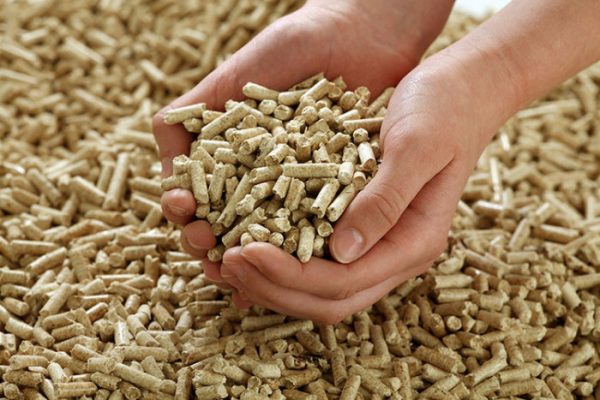
Understanding why wood pellets have become Europe’s heating fuel of choice requires looking at their impressive advantages. These small, cylindrical pieces of compressed biomass pack tremendous heating power into a remarkably efficient package. According to recent market analysis, residential and commercial heating accounts for 62% of Europe’s wood pellet demand in 2025, reflecting the critical role these fuels play in modern homes.
Wood pellets offer several compelling benefits over traditional fossil fuels. Their high energy density means you need less storage space compared to conventional firewood. The standardised size and shape ensure consistent performance in your heating system, eliminating the guesswork associated with irregular fuel sources. Most importantly, burning wood pellets releases approximately the same amount of carbon dioxide that the trees absorbed during growth, creating a nearly carbon-neutral heating cycle.
Our EN Plus A1 Wood Pellets represent the pinnacle of pellet quality, meeting strict European standards for ash content, moisture levels, and energy output. These certifications aren’t merely marketing claims; they’re independently verified guarantees that your heating system will operate at peak efficiency throughout the winter months.
Best Places to Buy Wood Pellets for Heating in Europe
Finding reputable suppliers who deliver consistent quality remains paramount when sourcing heating fuel. The European market offers various purchasing options, each with distinct advantages depending on your specific needs and location.
Online Suppliers with Direct Delivery
Digital platforms have transformed how consumers access heating fuel. At Wood-Břežany S.R.O, we’ve streamlined the ordering process through our comprehensive online shop, allowing customers throughout Europe to secure their winter fuel supply with just a few clicks. Our logistics network ensures prompt delivery directly to your property, with options for both bagged and bulk quantities.
Research from industry analysts indicates that the European Union produced 20.5 million metric tons of wood pellets in 2025, up from 19.9 million tons in 2024, ensuring adequate supply for growing demand. This production increase means customers can confidently plan their heating needs without concerns about availability.
Local Heating Fuel Retailers
Traditional brick-and-mortar retailers continue serving customers who prefer examining products before purchase. Many garden centres, agricultural suppliers, and specialised fuel merchants stock certified wood pellets during heating season. However, online ordering often provides better pricing due to reduced overhead costs and the ability to purchase directly from manufacturers like us.
Bulk Purchase Programs
Households with substantial storage capacity benefit significantly from bulk purchasing arrangements. Our wood pellets online programme offers volume discounts that can reduce your heating costs by up to 15% compared to smaller purchases. Bulk deliveries typically arrive via specialised blower trucks that can transfer pellets directly into your storage silo, minimising handling requirements.
| Purchase Method | Advantages | Best For | Typical Cost Savings |
|---|---|---|---|
| Online Direct Order | Convenience, competitive pricing, home delivery | Most households | 10-15% vs retail |
| Local Retailer | Immediate availability, product inspection | Small quantities, urgent needs | Standard pricing |
| Bulk Delivery | Maximum savings, minimal handling | Large storage capacity | 15-20% vs bagged |
| Subscription Service | Automatic delivery, budget stability | Consistent annual usage | 5-10% vs one-time |
How to Choose Quality Wood Pellets for Your Home
Quality variations in wood pellets can significantly impact your heating system’s performance, efficiency, and maintenance requirements. Understanding certification standards helps you make informed purchasing decisions that protect your investment and ensure optimal comfort.
Understanding ENplus Certification Standards
The ENplus certification scheme represents the gold standard for wood pellet quality across Europe. According to recent certification data, ENplus certified over 13.3 million tonnes of wood pellets in 2024, with Germany leading production at almost 3.7 million tonnes. This certification covers the entire supply chain, from raw material sourcing through final delivery, ensuring consistent quality at every stage.
What is ENplus certification involves rigorous testing of multiple parameters. Certified pellets must meet strict requirements for diameter (6-8mm), length (3.15-40mm), bulk density (600-750 kg/m³), and ash content. For EN Plus A1 grade pellets, ash content cannot exceed 0.7% by mass, ensuring minimal residue and reduced cleaning frequency for your heating system.
Our DIN Plus EN Plus A1 Pellets undergo continuous quality monitoring through independent laboratory testing. This verification process includes checking moisture content (which must remain below 10%), mechanical durability (minimum 97.5%), and calorific value (minimum 4.6 kWh/kg). These specifications aren’t arbitrary; they’re carefully calibrated to ensure reliable performance across different heating appliance types.
Key Quality Indicators When Buying
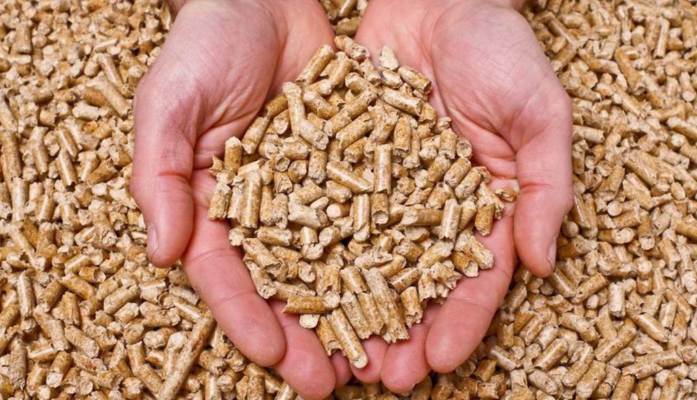
Beyond certification, several visible characteristics indicate premium pellet quality. Well-manufactured pellets display a smooth, shiny surface resulting from proper compression. They should feel solid and dense when handled, breaking cleanly rather than crumbling. Excessive dust or fines in the bag suggests poor durability and potential feeding problems in automatic systems.
Smell offers another quality clue. Premium wood pellets emit a mild, pleasant woody aroma. Chemical odours or musty smells indicate contamination or improper storage. The colour should be consistent throughout the bag, ranging from light tan to dark brown depending on the wood species used. Significant colour variation within a single batch might suggest mixing of different raw materials or inconsistent processing.
Wood Pellets Price Comparison and Value Analysis
Price considerations extend beyond the per-tonne cost, encompassing delivery charges, storage requirements, and overall heating efficiency. Understanding these factors helps identify genuine value rather than simply seeking the lowest advertised price.
Current European Market Pricing
Market data reveals interesting pricing dynamics across Europe. According to industry reports, German pellet prices showed significant volatility in early 2025, peaking at €380 per ton in March before dropping to €343 per ton in May. These fluctuations underscore the importance of strategic purchasing, particularly ordering during off-peak periods.
At Wood-Břežany S.R.O, we maintain competitive wood pellets prices through efficient production processes and direct-to-consumer sales models. Our pricing structure includes transparent delivery costs, with no hidden fees or surcharges. We regularly update our current wood pellet prices to reflect market conditions while maintaining fair margins.
Long-term Cost Benefits
Comparing wood pellet heating costs against fossil fuel alternatives reveals substantial savings potential. Research indicates that pellet heating typically costs 20-30% less than oil heating when calculated per kilowatt-hour delivered. This advantage stems from pellets’ renewable nature and local production, insulating them from volatile international energy markets.
Our price development forecast for 2026 suggests relative price stability compared to fossil fuels, particularly as European carbon pricing mechanisms increasingly penalise non-renewable energy sources. Households investing in pellet heating systems today can expect consistent, predictable fuel costs for years to come.
Storage capacity influences effective pricing as well. Customers with adequate space can capitalise on seasonal price variations by purchasing larger quantities during summer months when demand remains low. This strategy, combined with our bulk purchasing discounts, can reduce annual heating costs by up to 25% compared to buying small quantities throughout winter.
Why Buy Wood Pellets Near Me for Local Delivery Matters
Geographic proximity between suppliers and customers affects more than just delivery times. Local sourcing creates economic, environmental, and practical advantages that extend far beyond simple convenience.
Environmental Impact of Local Supply Chains
Transportation represents a significant component of wood pellets’ carbon footprint. The European wood pellet heating systems market reached USD 16.35 billion in 2024 and is anticipated to grow to USD 17.10 billion in 2025, driven partly by increasing awareness of supply chain sustainability. Choosing suppliers who buy wood pellets locally reduces fuel consumption and emissions associated with long-distance haulage.
Our production facilities strategically positioned throughout Europe enable short delivery routes for most customers. This localised approach minimises diesel consumption while ensuring fresher product, as pellets spend less time in transit where they might absorb moisture or sustain damage.
Delivery Reliability and Customer Service
Local suppliers typically offer superior customer service compared to distant alternatives. When issues arise, whether delivery scheduling conflicts or product questions, working with nearby providers facilitates quick resolution. Our contact us team responds promptly to customer enquiries, often arranging same-day or next-day solutions for urgent situations.
Delivery logistics become simpler with regional suppliers who understand local infrastructure and access limitations. Our drivers know the areas they serve, efficiently navigating narrow rural lanes, steep driveways, and other challenges that might stump unfamiliar delivery personnel. This expertise reduces delivery errors and ensures your pellets arrive precisely where needed.
Best Wood Pellets UK and European Market Leaders
The European wood pellet market features numerous manufacturers and distributors, each claiming superior quality. Distinguishing genuine excellence from marketing hyperbole requires examining certification credentials, production methods, and customer feedback.
Top Certified Producers in Europe
Industry recognition and certification volume indicate which producers consistently deliver quality products. Market research shows that Germany leads ENplus certified pellet production, followed by Austria with 1.7 million tonnes and France with 681,000 tonnes. These production centres maintain stringent quality control protocols required for certification renewal.
Wood-Břežany S.R.O ranks among Europe’s respected sustainable wood pellet suppliers, combining traditional forestry knowledge with modern manufacturing technology. Our production process utilises sawmill residues and wood processing by-products, transforming what would otherwise become waste into premium heating fuel. This circular economy approach exemplifies sustainable resource management while delivering exceptional product quality.
Quality Comparisons Across Suppliers
Not all certified pellets perform identically despite meeting minimum standards. Variables including raw material composition, compression pressure, and moisture control create subtle performance differences. Our high-quality wood pellets consistently exceed certification minimums, providing customers with fuel that burns cleaner, produces less ash, and delivers higher heat output per kilogram.
Consumer testimonials provide valuable insights into real-world performance. Customers frequently report that our pellets generate less clinker formation (hard ash deposits) compared to other brands, extending cleaning intervals and reducing maintenance effort. The consistent size and minimal fines content ensure smooth feeding in automatic systems, preventing jams and operational disruptions.
When to Order Wood Pellets for Optimal Savings
Strategic timing transforms pellet purchasing from a routine expense into an opportunity for substantial savings. Understanding seasonal demand patterns and supply dynamics enables informed decision-making that benefits your budget.
Seasonal Pricing Patterns
Wood pellet prices follow predictable annual cycles driven by heating demand. Prices typically bottom out during late spring and summer months (May through August) when most households have completed their heating season. As autumn approaches and temperatures drop, demand accelerates, pushing prices upward through winter’s coldest months.
Historical pricing data reveals that customers purchasing pellets during off-season periods save 10-20% compared to peak winter prices. Our wood pellet price development in Germany tracking shows consistent year-over-year patterns, allowing savvy consumers to plan purchases around optimal pricing windows.
Supply Security Considerations
Beyond pricing advantages, early ordering ensures fuel availability when you need it most. The European Union wood pellet demand is expected to reach 23.45 million metric tons in 2025, with residential use increasing, creating potential supply constraints during peak demand periods. Customers who postpone ordering until November or December risk delivery delays or, in extreme cases, temporary unavailability.
Our order wood pellets system accommodates advance orders with flexible delivery scheduling. Customers can secure current pricing in summer, then schedule delivery for autumn when storage space becomes available and heating season approaches. This approach combines price optimisation with practical storage management.
Wood Pellet Storage Solutions for Home Heating
Proper storage preserves pellet quality and protects your heating fuel investment. Moisture exposure represents the primary threat to stored pellets, potentially rendering them unusable while creating safety hazards.
Indoor Storage Best Practices
Successful pellet storage requires dry, well-ventilated conditions with stable temperatures. Basements, garages, and dedicated fuel rooms commonly serve as storage locations for bagged pellets. Our comprehensive guide to wood pellet storage details optimal conditions and arrangement strategies.
Stack bagged pellets on wooden pallets or similar elevation, preventing direct floor contact that might transfer moisture. Maintain at least 10cm clearance between bags and walls to promote air circulation. Inspect stored pellets monthly for signs of moisture damage, including bag sagging, pellet swelling, or mould growth. Early detection prevents larger problems while allowing affected bags to be used before quality deteriorates significantly.
Bulk Storage Considerations
Households with bulk delivery capability require dedicated storage silos or bunkers. These enclosed systems protect large quantities while enabling automatic feeding to your heating appliance. Proper silo installation includes moisture barriers, ventilation systems, and regular inspection access. Modern silos often incorporate moisture monitoring sensors that alert homeowners to potential problems before damage occurs.
Calculate storage capacity needs by estimating seasonal consumption. Average European households consume 3-5 tonnes of pellets annually, depending on home size, insulation quality, and climate. We recommend maintaining minimum two-weeks supply during winter to buffer against delivery disruptions caused by severe weather.
How to Calculate Wood Pellets Needed for Winter
Accurate consumption estimates prevent both fuel shortages and excessive over-purchasing. Several factors influence pellet consumption rates, making personalised calculations more reliable than generic estimates.
Factors Affecting Pellet Consumption
Home insulation quality dramatically impacts heating requirements. Well-insulated properties consume 30-40% less fuel compared to poorly insulated equivalents. Window quality, door seals, and roof insulation all contribute to thermal efficiency. Before estimating pellet needs, consider recent insulation improvements or deterioration that might affect consumption patterns.
Climate variation creates significant consumption differences across Europe. Nordic regions typically require 40-50% more heating fuel than Mediterranean areas. Local winter severity, wind exposure, and elevation all modify baseline estimates. Our FAQ section includes regional consumption guides tailored to specific European climate zones.
Heating system efficiency represents another crucial variable. Modern condensing pellet boilers achieve 90-95% efficiency, extracting maximum heat from fuel. Older systems might operate at only 70-80% efficiency, requiring proportionally more pellets for equivalent warmth. If your heating system exceeds 10-15 years old, factor in reduced efficiency when calculating requirements.
Practical Calculation Methods
Start with your heated floor area and typical indoor temperature preferences. As a rough baseline, well-insulated homes in moderate European climates consume approximately 2-3 kg of pellets per square metre annually. Apply regional adjustments (increase 25% for cold climates, decrease 15% for mild areas) and system efficiency factors.
Compare your calculations against previous heating fuel consumption if transitioning from oil or gas. Wood pellets deliver approximately 4.8 kWh per kilogram, compared to roughly 10 kWh per litre for heating oil. Divide your historical oil consumption by two to estimate equivalent pellet requirements. This method provides reasonable accuracy for first-time pellet users.
Our wood pellet ordering specialists offer free consumption consultations, reviewing your specific circumstances to recommend appropriate quantities. This personalised service prevents costly over-ordering while ensuring adequate supply throughout heating season.
Are Wood Pellets Safe for Indoor Heating Systems?
Safety considerations influence fuel choice decisions, particularly for families with children, elderly residents, or individuals with respiratory sensitivities. Wood pellets offer several safety advantages over alternative heating fuels when properly stored and burned.
Combustion Safety Standards
Modern pellet heating appliances incorporate multiple safety systems that prevent hazardous conditions. Automatic shutdown mechanisms activate if abnormal temperatures, pressure variations, or fuel feeding disruptions occur. These systems far exceed safety protections available in traditional wood stoves or open fireplaces.
Our detailed analysis of wood pellet indoor safety examines ventilation requirements, carbon monoxide risks, and proper maintenance protocols. When operated according to manufacturer specifications with regular servicing, pellet heating systems present minimal safety risks. Annual professional inspections identify potential issues before they create hazards.
Storage and Handling Safety
Bagged pellets pose negligible fire risk under normal storage conditions. Unlike liquid fuels, pellets don’t emit flammable vapours. However, bulk pellet storage requires adequate ventilation, as decomposing organic matter can produce carbon monoxide in enclosed spaces. Never enter confined bulk storage areas without proper gas detection equipment and ventilation protocols.
Dust from pellet handling represents the primary respiratory concern. Wear appropriate dust masks when transferring pellets or emptying bags. Sweep up spilled pellets promptly to minimise dust accumulation. These simple precautions eliminate health risks while maintaining clean storage areas.
Wood Pellets Quality and Certification Standards Explained
Understanding certification schemes helps consumers navigate marketing claims and identify genuinely superior products. European pellet certifications provide transparent, independently verified quality assurances.
ENplus A1 Grade Requirements
The ENplus A1 classification represents premium residential heating fuel meeting the strictest quality thresholds. According to certification authorities, ENplus is now the only wood pellet quality certification on the market to receive recognition from the European Cooperation for Accreditation, establishing it as the definitive European standard.
A1 grade pellets must contain maximum 0.7% ash content (by mass), compared to 1.5% for A2 grade. This difference significantly impacts heating system maintenance, as lower ash content means longer intervals between cleaning. The strict ash limitation also indicates high-quality raw materials free from bark, leaves, or other high-ash components.
Moisture content cannot exceed 10% in certified pellets. This specification prevents fuel degradation during storage while ensuring consistent combustion characteristics. Pellets with elevated moisture content waste energy evaporating water rather than generating heat, reducing efficiency and increasing per-kilowatt-hour costs.
Other Important Certifications
While ENplus dominates European markets, other certifications including DINplus (Germany), NF (France), and Önorm (Austria) maintain regional importance. These schemes generally align with ISO 17225-2 standards while incorporating country-specific requirements. Our certified wood pellets meet multiple certification standards, ensuring suitability across Europe.
Sustainability certifications complement quality standards by verifying responsible forestry practices. FSC (Forest Stewardship Council) and PEFC (Programme for the Endorsement of Forest Certification) labels confirm that wood raw materials originate from sustainably managed forests. These certifications address environmental concerns while supporting long-term forest health.
Wood Pellets vs Other Heating Fuels: Cost and Efficiency
Comparing heating options requires examining multiple factors beyond simple fuel costs. Total ownership costs, environmental impacts, and practical considerations all influence the optimal choice for your situation.
Economic Comparison Analysis
Direct cost comparisons reveal wood pellets’ competitive position. According to market analysis, despite price volatility, pellets remain cheaper than heating oil, with energy costs at 6.86 euro cents per kWh in major European markets. Natural gas pricing varies dramatically by region and contract type, but typically ranges from 7-10 euro cents per kWh including distribution charges.
Our analysis of pellet vs gas heating costs demonstrates that pellet systems typically save 15-30% annually on fuel costs compared to natural gas heating. The savings margin widens further when comparing against heating oil or electric resistance heating. Over a pellet heating system’s 15-20 year lifespan, these savings can offset initial equipment costs multiple times over.
Installation costs deserve consideration in total economic analysis. Pellet boiler systems typically cost €10,000-€18,000 installed, compared to €3,000-€8,000 for gas boilers. However, various European subsidies and incentive programmes offset installation costs by 20-40%. Germany’s renewable heating mandates, for instance, provide substantial financial support for pellet system installation.
Environmental Performance
Carbon neutrality represents wood pellets’ primary environmental advantage. While combustion releases CO2, this merely returns to the atmosphere carbon that trees absorbed during growth. Provided forests are sustainably managed with replanting programmes, the cycle remains carbon-neutral over time.
Fossil fuel heating releases carbon sequestered millions of years ago, creating net atmospheric CO2 increases. Even accounting for harvesting, processing, and transportation emissions, wood pellets generate 85-95% lower net carbon emissions compared to heating oil. This substantial difference drives European renewable heating policies favouring biomass fuel adoption.
Air quality considerations favour modern pellet systems as well. Advanced combustion control and particulate filtering reduce emissions far below open wood burning. Our ENplus certified pellets produce minimal particulate matter when burned in certified appliances, meeting strict European air quality standards.
Common Questions About Buying Wood Pellets for Heating
What is the average cost of wood pellets per tonne in 2026?
Wood pellet pricing varies by region, season, and purchase quantity. Current European average prices range from €320-€380 per tonne for bagged ENplus A1 certified pellets. Bulk purchases typically cost €280-€340 per tonne. Our current prices reflect competitive market rates with transparent delivery charges.
How long does 1 tonne of wood pellets last for home heating?
Average consumption rates range from 1-2 kg per hour of boiler operation, translating to roughly 2-4 weeks of continuous heating from one tonne. Actual duration depends on home size, insulation quality, outdoor temperatures, and desired indoor comfort levels. Well-insulated 150m² homes in moderate climates typically consume 3-5 tonnes annually.
Can I store wood pellets in my garage or shed?
Yes, provided the space remains dry and well-ventilated. Elevate bags off the floor using pallets or similar platforms. Avoid storing pellets near walls where condensation might occur. Cover stacks with breathable tarps if the garage lacks temperature control. Regular inspection catches moisture problems before serious damage develops.
Do wood pellets expire or go bad over time?
Properly stored pellets remain usable indefinitely. However, extended storage increases moisture absorption risk, particularly in high-humidity environments. Inspect older stock for swelling, discolouration, or mould before use. Rotate stock using oldest pellets first to minimise quality degradation risks.
What happens if my wood pellets get wet during storage?
Water-damaged pellets swell, crumble, and become unusable in automatic feeding systems. Small quantities might be salvageable by spreading thinly to dry, though quality suffers significantly. Extensive water damage requires disposal. Prevent moisture problems through proper storage practices rather than attempting remediation.
Order Premium Wood Pellets from Wood-Břežany S.R.O Today
Making the transition to wood pellet heating represents a significant step towards sustainable, cost-effective home comfort. At Wood-Břežany S.R.O, we’ve simplified this transition through comprehensive product selection, transparent pricing, and exceptional customer support.
Our wood pellet product range includes options for every heating need, from small pizza oven enthusiasts to large residential heating systems. Every product carries appropriate certifications verified through independent testing. We stand behind our quality with satisfaction guarantees and responsive customer service.
Browse our selection of certified biomass pellets, compare specifications, and place orders through our secure online platform. Flexible delivery scheduling accommodates your storage capacity and seasonal requirements. Volume discounts reward larger purchases, while subscription programmes ensure never running short during cold weather.
Join thousands of satisfied European customers who trust Wood-Břežany S.R.O for their heating fuel needs. Place your order today and experience the difference that premium, certified wood pellets make in home heating efficiency, cost management, and environmental responsibility.
For personalised assistance, technical questions, or bulk ordering enquiries, our customer service team stands ready to help. We’re committed to making your transition to renewable heating smooth, successful, and satisfying.
Key Takeaways
Selecting the right wood pellet supplier affects heating comfort, costs, and environmental impact for years to come. Premium ENplus A1 certified pellets deliver optimal performance while minimising maintenance requirements. Strategic purchasing during off-season periods creates substantial savings without sacrificing quality.
Local suppliers like Wood-Břežany S.R.O offer advantages including reduced transportation emissions, responsive customer service, and reliable delivery. Proper storage preserves fuel quality, protecting your investment against moisture damage. Understanding consumption patterns and calculation methods prevents both shortages and excessive over-purchasing.
Wood pellet heating systems provide economic and environmental benefits compared to fossil fuel alternatives. As European renewable energy policies continue advancing, pellet heating positions households favourably for future regulatory changes while delivering immediate cost savings. The combination of sustainability, efficiency, and affordability makes wood pellets the intelligent choice for modern European heating needs.
References
- Bioenergy Europe. (2025). Pellets Statistical Report 2025. European pellet market analysis and consumption trends.
- USDA Foreign Agricultural Service. (2025). Wood Pellets Annual Report. European Union wood pellet production and trade statistics.
- Future Market Insights. (2025). Europe Black & Wood Pellets Market Analysis. Demand forecasts and regional growth analysis.
- ENplus. (2025). ENplus Certification Statistics 2024. Quality certification volumes and standards.
- Argus Media. (2025). EU Wood Pellet Market Growth Forecast. Market trends and pricing analysis.
- Market Data Forecast. (2025). Europe Wood Pellet Heating Systems Market. Industry size and growth projections.
- Accio Business Intelligence. (2025). Wood Pellets Europe Trends 2025. Production data and market dynamics.