

 Čeština
 Deutsch
 Română
Are Wood Pellets Safe To Use Indoors? | Wood-Břežany s.r.o
Discover if wood pellets are safe for indoor use. Learn proper storage, ventilation requirements, and best practices for safely heating your UK home with premium wood pellets. Wood pellets offer safe, efficient indoor heating when handled correctly. From proper ventilation to storage requirements, understanding safety protocols ensures your home remains warm and secure. Our premium Buy EN Plus A1 Wood Pellets meet stringent European safety standards for residential heating applications.
The question of whether wood pellets are safe to use indoors has become increasingly relevant as more European households transition to sustainable heating solutions. When managed properly, wood pellets provide secure, efficient warmth for your home. However, understanding the nuances of safe handling, storage, and combustion is essential for protecting your family whilst enjoying cost-effective heating.
What Makes Wood Pellets a Safe Indoor Heating Option?
Wood pellets manufactured to European standards represent one of the cleanest biomass fuel sources available today. Quality wood pellets are 100 percent natural, burning cleanly and efficiently without harmful additional chemical additives. When you Buy EN Plus A1 Wood Pellets from certified suppliers, you’re investing in fuel that adheres to stringent quality and safety standards set by the European Pellet Council.
The key to safe indoor use lies in three critical factors: proper installation, adequate ventilation, and regular maintenance. Modern pellet stoves are engineered with safety features that traditional wood-burning systems lack, including automatic shut-off mechanisms, thermal sensors, and sealed combustion chambers.
Understanding ENplus A1 Certification Standards
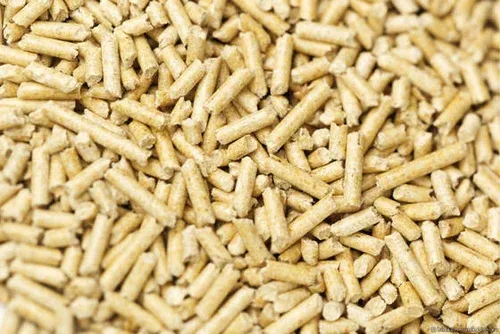
The ENplus certification establishes comprehensive quality benchmarks for wood pellets throughout the entire supply chain. ENplus A1 pellets adhere to strict quality and safety standards set by the European Pellet Council, covering factors like pellet composition, size, and packaging. This certification ensures:
- Moisture content below 10% for efficient combustion
- Ash content under 0.7% to minimise residue
- Low dust and fines content reducing clogging risks
- Complete traceability from production to delivery
Our Buy DIN Wood Pellets meet these exacting specifications, providing peace of mind alongside warmth.
Buy Wood Pellets for Safe Indoor Heating
When purchasing wood pellets for residential use, quality directly correlates with safety. Big brands such as Camp Chef, Pit Boss, Lumber Jack, and Traeger are among the ones who make pellets in this safe way, whilst manufacturers of cheaper pellets achieve a lower price by using chemical binding agents and other additives.
At Wood-Břežany s.r.o., we specialise in premium-grade pellets that burn efficiently whilst minimising emissions. Our Buy A1 Wood Pellets Online selection includes:
- Virgin wood materials without chemical treatment
- Certified low-emission formulations
- Consistent pellet diameter for optimal stove performance
- Sustainable sourcing from managed European forests
| Pellet Type | Ash Content | Moisture Content | Heat Output (kWh/kg) | Indoor Safety Rating |
|---|---|---|---|---|
| ENplus A1 | ≤ 0.7% | ≤ 10% | 4.6-5.3 | Excellent |
| ENplus A2 | ≤ 1.2% | ≤ 10% | 4.6-5.3 | Very Good |
| Standard Pellets | ≤ 2.0% | ≤ 12% | 4.0-4.5 | Good |
| Low-Grade Pellets | > 2.0% | > 12% | < 4.0 | Not Recommended |
How to Store Wood Pellets Indoors Safely
Since wood pellets are highly susceptible to moisture, the best way to store them is indoors, preferably in a garage, basement, or dedicated storage area. Proper storage practices prevent degradation whilst maintaining fuel efficiency.
Best Practices for Indoor Pellet Storage
1. Choose the Right Location Select a cool, dry area away from direct sunlight and humidity sources. Basements and garages typically provide ideal conditions, provided they remain dry year-round.
2. Maintain Proper Ventilation Storing wood pellets in a warm or enclosed space may cause low-level carbon monoxide emissions, so placing a carbon monoxide (CO) detector in the area is essential for safety. Active ventilation systems or regular air circulation prevent gas accumulation.
3. Elevation and Protection
- Keep pellet bags raised on pallets or shelving
- Prevent ground moisture absorption
- Use airtight containers when possible
- Inspect bags regularly for damage
4. Monitor Storage Conditions When wood pellets are stored indoors in large quantities in poorly ventilated spaces, off-gassing of volatile organic compounds (VOCs) can significantly affect indoor air quality. Regular monitoring ensures safe storage environments.
Our Buy Biomass Wood Pellets arrive in moisture-resistant packaging designed for extended indoor storage.

What Are the Health Considerations for Indoor Wood Pellet Use?
Understanding potential health impacts enables proactive safety measures. Pellet stoves do emit pollution via fine dust and particles, though they are much cleaner than wood stoves. The ultra-fine particulate matter produced can affect vulnerable populations, including infants and individuals with respiratory conditions.
Protecting Your Family’s Health
Carbon Monoxide Awareness Carbon monoxide represents the primary safety concern with any combustion heating system. A properly vented pellet stove should remove all of this dangerous gas from your home, but installing a carbon monoxide detector is wise to alert you should this odourless gas enter living spaces.
Air Quality Management
- Install high-efficiency particulate air (HEPA) filters
- Maintain proper stove ventilation at all times
- Schedule annual professional inspections
- Monitor indoor air quality regularly
Symptoms Requiring Attention If family members experience new coughing, shortness of breath, or chest pain after installing a pellet stove, immediate professional inspection is necessary.
Where Should You Install Pellet Stoves for Maximum Safety?
Pellet stove installation should be completed by a reputable professional, as problems with installation can lead to smoke damage to your home, fire, or even carbon monoxide poisoning. Professional installation ensures compliance with local building codes and manufacturer specifications.
Critical Installation Requirements
Ventilation Systems Pellet stoves require a pipe specifically designed to handle the heat and byproducts of burning pellets, with the venting safely expelling all byproducts of combustion to the outside of your home. Options include:
- Horizontal venting through exterior walls
- Vertical venting through roof structures
- Fresh air intake systems for optimal efficiency
Clearance Specifications: Maintain adequate distance from combustible materials:
- Minimum 90cm from furniture and curtains
- Fire-resistant hearth or protective pad underneath
- Proper clearance for doors and loading areas
Building Code Compliance: Research local regulations governing pellet stove installations. Many jurisdictions require:
- Professional certification of installers
- Building permits and inspections
- Specific venting configurations
When comparing heating methods, review our comprehensive Pellet vs Gas Heating Cost Comparison to understand the economic benefits alongside safety considerations.
Why Regular Maintenance Ensures Safe Operation
Weekly Tasks
- Empty ash bins into metal containers with lids
- Inspect glass doors and gaskets
- Check the pellet hopper for proper feeding
- Verify carbon monoxide detector functionality
Monthly Checks
- Clean the combustion chamber thoroughly
- Inspect the venting system for blockages
- Test automatic safety shut-off features
- Monitor burn patterns for irregularities
Annual Professional Service Once a year, you should hire a pro to test for emissions and perform an inspection to ensure that your pellet stove is in proper working order. Professional technicians can:
- Evaluate particulate emission levels
- Test ventilation efficiency
- Inspect electrical components
- Verify compliance with safety standards
Our Best Wood Pellets UK guide provides additional maintenance recommendations specific to premium fuel types.
Which Wood Pellets Burn Cleanest Indoors?
Not all pellets deliver equivalent performance or safety profiles. Hardwood pellets typically produce less ash than softwood varieties, whilst blended formulations balance efficiency with cost.
Comparing Pellet Types for Indoor Use
Premium Hardwood Pellets
- Lowest ash production (< 0.5%)
- Extended burn times
- Minimal smoke output
- Higher cost per tonne
Softwood Pellets
- Moderate ash content (0.7-1.0%)
- Higher heat output per kilogram
- Faster combustion rates
- More affordable pricing
Blended Formulations. Our Buy RUF Wood Briquettes Online offer an alternative compressed fuel option for specific heating applications.
Avoiding Low-Quality Pellets
Low-grade pellets you may buy for heating are toxic, as cheaper ones achieve lower prices through chemical binding agents and other additives. Always verify certification before purchasing, ensuring you receive:
- 100% natural wood composition
- No chemical binders or additives
- Certified moisture and ash content
- Traceable supply chain documentation
How Does Proper Ventilation Prevent Indoor Air Quality Issues?
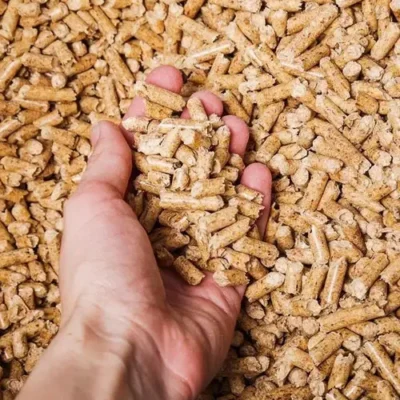
Natural ventilation, such as windows, fans, and tubes that connect the storage room with outside air, can reduce the concentration of VOCs emitted during pellet storage. Both storage areas and combustion spaces require adequate air exchange.
Ventilation System Design
Storage Area Requirements
- Active ventilation for spaces storing multiple tonnes
- Carbon monoxide monitors are placed strategically
- Regular air quality testing protocols
- Emergency ventilation procedures
Living Space Considerations
- Fresh air intake systems for combustion
- Separate ventilation from living areas
- Negative pressure prevention measures
- Supplemental air filtration systems
When planning installations, consult our Buy Hardwood Briquettes Online range for alternative dense fuel options suitable for various heating configurations.
Best Wood Pellets for Sale in the UK Market
Selecting appropriate pellets involves balancing quality, cost, and availability. Our comprehensive inventory includes:
Each product undergoes rigorous testing to ensure compliance with European safety standards and optimal indoor performance.
Seasonal Considerations
Winter Storage
- Purchase bulk quantities during summer pricing
- Maintain rotation systems for freshness
- Monitor moisture levels more frequently
- Ensure adequate stockpiles before cold snaps
Summer Preparation
- Clean and service heating equipment
- Test safety systems thoroughly
- Replenish pellet supplies strategically
- Inspect storage facilities for weather damage
Our Buy Wood Pellets Online selection guarantees ENplus A1 standards.
“The safety of wood pellets for indoor use depends entirely on proper handling, quality fuel selection, and adherence to installation guidelines. When these factors align, pellet heating provides secure, sustainable warmth for European homes.” – European Pellet Council
Frequently Asked Questions About Indoor Wood Pellet Safety
Can wood pellets produce carbon monoxide indoors?
Yes, the process of burning wood pellets in a wood-pellet smoker does release carbon monoxide. However, properly installed and maintained pellet stoves feature sealed combustion chambers and dedicated venting systems that expel gases safely outside. Installing carbon monoxide detectors in living spaces provides additional protection, as these devices alert occupants to any dangerous accumulation before health impacts occur.
How often should I clean my pellet stove for safe operation?
Most stove manufacturers suggest cleaning out your stove’s ash bin regularly, at least once a week. Beyond ash removal, monthly combustion chamber cleaning prevents creosote buildup. Annual professional inspections ensure all safety systems function correctly, verifying proper ventilation, testing emissions levels, and confirming compliance with manufacturer specifications. Regular maintenance directly correlates with safe, efficient operation.
Are ENplus A1 certified pellets safer than standard pellets?
Absolutely. ENplus A1 pellets have low dust and fines content, reducing the risk of clogging and improving the efficiency of pellet stoves and boilers. The certification guarantees rigorous testing throughout production, ensuring consistent quality, minimal ash production, and proper moisture content. These factors combine to produce cleaner combustion with fewer emissions, making ENplus A1 pellets the safest choice for residential indoor heating applications.
What symptoms indicate unsafe pellet stove operation?
New respiratory symptoms following pellet stove installation require immediate attention. If you notice new coughing, shortness of breath, and chest pain, get your pellet stove inspected. Additional warning signs include unusual odours, visible smoke inside living spaces, soot accumulation on walls or ceilings, and carbon monoxide detector alarms. Any of these symptoms indicates ventilation problems or improper combustion requiring professional assessment.
Can I store large quantities of wood pellets in my basement safely?
Basement storage is common but requires specific precautions. Fourteen fatal accidents have been reported since 2002, resulting from the storage or transport of bulk wood pellets in poorly ventilated spaces. Safe basement storage demands active ventilation systems, carbon monoxide monitors, elevated pellet placement on pallets, and regular air quality testing. Never store pellets in sealed or poorly ventilated basement areas without proper safety equipment and monitoring.
How do wood pellets compare to traditional firewood for indoor safety?
Wood pellets burn significantly cleaner than traditional firewood, producing less particulate matter and creosote. Energy Pellets of America makes premium hardwood blend pellets containing less than 8 percent moisture and less than 1 percent ash with a high value of heating energy. This controlled composition ensures predictable, efficient combustion. Pellet stoves also feature automated feeding systems and sealed combustion chambers that traditional wood stoves lack, providing enhanced safety for indoor residential use.
What ventilation standards apply to indoor pellet stove installations?
Pellet stoves are designed to harness the power of compressed wood pellets, with venting via exhaust piping being the essential mechanism that ensures potentially harmful gases like carbon monoxide are directed outside. Installation must comply with local building codes, typically requiring dedicated venting pipes, fresh air intake systems, and minimum clearances from combustible materials. Professional installers ensure compliance with these standards whilst optimising heating efficiency and safety.
Are wood shavings and sawdust safe alternatives to pellets indoors?
Whilst wood shavings serve various purposes like Wood Shavings for Poultry Bedding, they’re not designed for indoor heating combustion. Loose sawdust and shavings present fire hazards and produce inconsistent combustion compared to compressed pellets. For animal bedding applications, browse our Buy Wood Shavings Online UK selection, but reserve certified pellets specifically for heating purposes.
Citations and References
- Energy Pellets of America – Are Wood Pellets Safe to Use
- Oxford Academic – Carbon Monoxide Off-Gassing From Bags of Wood Pellets
- Indoor Doctor – Potential Health Issues with Pellet Stoves
- Angi – Are Pellet Stoves Safe?
- PMC – VOCs Emissions from Multiple Wood Pellet Types and Concentrations in Indoor Air
- ComfortBilt – Guide to Pellet Stove Ventilation
- EPA – Frequent Questions about Wood-Burning Appliances
Ready to experience safe, efficient heating with premium wood pellets? Browse our complete range of certified products at Wood-Břežany s.r.o or contact our team for personalised recommendations tailored to your heating requirements. We deliver throughout Europe, ensuring quality fuel reaches your home safely and sustainably.