

 Čeština
 Deutsch
 Română
Buy Premium Wood Pellets Near Me for Sale UK
Looking for wood pellets near me for sale UK? You’re not alone. Thousands of British households search this phrase every heating season, seeking affordable, eco-friendly alternatives to expensive gas and electricity. At Wood-Břežany s.r.o., we deliver certified ENplus A1 wood pellets directly to your doorstep across the United Kingdom, typically within 3–5 working days. Our premium pellets offer up to 60% savings compared to natural gas heating while reducing your carbon footprint.
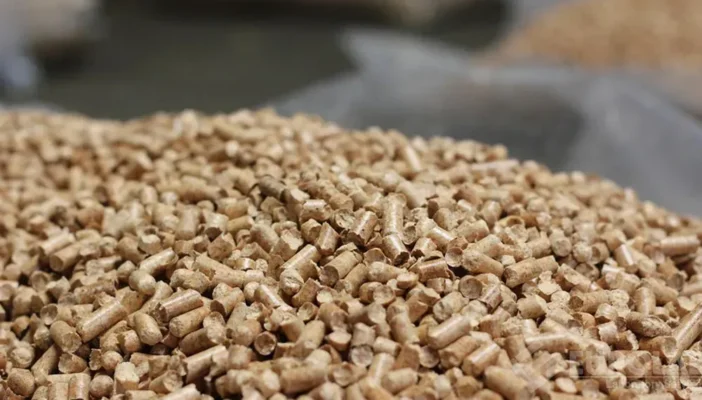
When you buy wood pellets online from our family business, you receive fuel crafted from clean, untreated spruce, beech, and oak sourced from certified European forests. Unlike many local suppliers with inconsistent quality, our pellets maintain strict moisture content below 8% and ash content under 0.7%, ensuring maximum heat output and minimal maintenance.
Our premium ENplus A1 certified wood pellets deliver exceptional heating efficiency with low ash content and high calorific value. Sourced exclusively from sustainable Czech forests and certified to the highest European standards, our pellets ensure clean, consistent burning in any modern stove or boiler. Each 15kg bag is hermetically sealed to preserve freshness during our rapid 3–5 day UK delivery. With over twenty years of biomass expertise, Wood-Břežany s.r.o. guarantees reliable performance and significant cost savings compared to gas heating. Order online today for eco-friendly warmth that’s both economical and environmentally responsible.
Why ENplus A1 Certification Matters for UK Homeowners
In the world of renewable energy, the sheer volume of supply can often obscure the question of quality. For biomass fuel, however, quality is non-negotiable. The ENplus A1 certification is the definitive international benchmark for wood pellets globally, a standard rigorously managed by the European Pellet Council and locally supported by the UK Pellet Council. To understand the certification fully, you can read what is ENplus certification.
Choosing certified pellets is not just about meeting a standard; it is about protecting your capital investment. Biomass heating systems represent a significant expenditure, and their longevity is fundamentally dependent upon the fuel they burn. Low-grade, uncertified fuel can rapidly compromise the equipment, leading to clogs, reduced efficiency, and costly maintenance. By contrast, certified ENplus A1 pellets deliver guaranteed performance by meeting critical technical specifications:
-
Low Ash Content: The most vital metric. A1 certification limits ash to a maximum of 0.7% by weight. High ash levels directly cause residue build-up, reducing efficiency and accelerating the wear on internal components.
-
High Calorific Value: We guarantee a high calorific value, typically around 4.8 kWh per kilogram (equivalent to 17 GJ per tonne). This means our fuel delivers more energy per unit, ensuring you burn less volume to achieve the desired heat output.
-
Low Moisture Content: A maximum of 10.0% moisture content is specified. This ensures maximum combustion efficiency and protects the pellets from degradation during storage.
This consistent quality provides peace of mind. Every bag, skid, or bulk delivery we dispatch meets these demanding standards, ensuring cleaner combustion and protecting your boiler or stove, which in turn extends its lifespan
Learn more about what ENplus certification means for your heating investment in our detailed guide.

How Long Does a Bag of Wood Pellets Last in British Homes?
Understanding consumption rates helps plan your fuel needs. A standard 20kg bag of our ENplus A1 wood pellets typically lasts between 10 and 40 hours, depending on your stove settings and home insulation. At medium heat output (1kg per hour), you can expect approximately 20 hours of continuous heating from a single bag.
Well-insulated modern homes in milder southern regions often achieve longer burn times, while older properties in Scotland or northern England may consume pellets more quickly during extreme cold. Our customers report significant improvements by combining quality pellets with proper home insulation and programmable thermostats.
For precise estimates, explore our guide on how long 20kg of wood pellets last.
The Real Cost Comparison: Wood Pellets vs. Gas Heating in 2025
Current energy prices make this comparison increasingly relevant. According to recent data from the UK Department for Business, Energy & Industrial Strategy, heating with wood pellets costs approximately £0.043 per kWh compared to natural gas at £0.085–0.12 per kWh. This represents potential savings of 40–60% on annual heating bills.
It is vital to view the cost of wood pellets within the correct financial context. While a raw comparison of pence per $\text{kWh}$ may sometimes favour natural gas (7.64 p/kWh) or heating oil (7.65 p/kWh), the advantage of pellets is realised through price stability and operational context. You can see a direct pellet vs gas heating cost comparison
For an average UK home (100–150 square metres), this translates to:
- Wood pellets: £1,050–£1,350 annually
- Natural gas: £1,500–£2,100 annually
- Electricity: £1,800–£2,700 annually
Unlike volatile fossil fuel prices, wood pellet costs remain relatively stable due to local European production and sustainable forestry practices.
Discover the full breakdown in our pellet vs gas heating cost comparison.
Beyond Heating: Surprising Uses for Wood Pellets in British Households
While primarily used for heating, our customers discover numerous innovative applications for wood pellets. Many use them as wood pellets for cat litter UK, appreciating their superior odour control and low dust properties compared to traditional clay options. Others employ them as absorbent material in workshops or as bedding for poultry and other small animals.
This versatility makes wood pellets a practical investment beyond seasonal heating needs. Our pellets are 100% natural with no chemical additives, making them safe for multiple household applications when used appropriately.
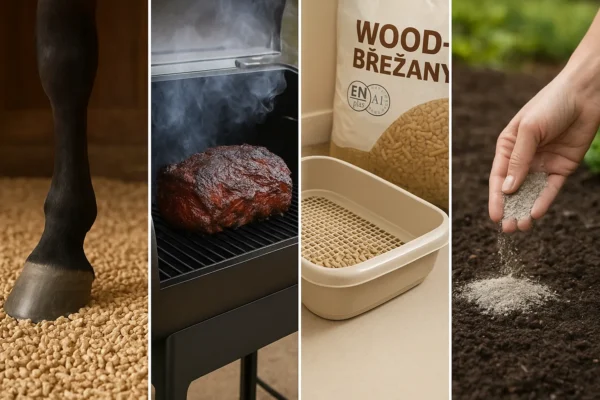
Please read our full guide on what else can you use wood pellets for.
Fast, Reliable Delivery Across the UK
Finding wood pellets near me no longer means settling for whatever local suppliers offer. We deliver directly to your home or business anywhere in the United Kingdom, eliminating the need to visit multiple retailers or compromise on quality. Our logistics network ensures prompt delivery even during peak heating seasons.
For regular customers, we offer scheduled deliveries aligned with your consumption patterns. This service prevents unexpected fuel shortages and often qualifies for volume discounts. Whether you need a single bag for testing or several tonnes for winter heating, our flexible ordering system accommodates all requirements.
Table: Heating Fuel Comparison for UK Homes in 2025
| Fuel Type | Cost per kWh (£) | Annual Cost (£) | Maintenance Needs | CO₂ Emissions (kg/kWh) |
|---|---|---|---|---|
| ENplus A1 Wood Pellets | 0.04–0.05 | 1,050–1,350 | Low | 0.035 |
| Natural Gas | 0.085–0.12 | 1,500–2,100 | Medium | 0.184 |
| Firewood | 0.04–0.05 | 600–1,050 | High | 0.035 |
| Electricity | 0.12–0.27 | 1,800–2,700 | Low | 0.233 |
Choosing the Best Wood Pellets for Your UK Home
Selecting quality pellets requires attention to certification and physical characteristics. Always look for the official ENplus logo, which features a unique ID number that can be verified in the certification database. Genuine ENplus A1 pellets should clearly display:
- Grade classification (A1, A2, or B)
- Producer and distributor information
- Net weight and packaging date
- Energy value specifications
Avoid pellets that appear dusty, discoloured, or have an unusual odour, as these may indicate moisture damage or inferior materials. Premium pellets should feel dense and uniform, breaking cleanly when snapped rather than crumbling.
Our best wood pellets UK selection ensures optimal performance through hardwood composition, strict moisture control, and minimal additives.
Storage Tips for Maximum Pellet Performance
Proper storage preserves quality and extends usability. Keep your pellets in a dry, well-ventilated area with humidity below 10%. Elevated storage on pallets prevents moisture absorption from concrete floors. Many customers use dedicated garden sheds, garages, or utility rooms for pellet storage.
When stored correctly, quality wood pellets maintain their properties for 6–12 months. This allows convenient bulk purchasing during off-peak seasons when prices may be lower. Always inspect older stock for signs of dampness before use.

Frequently Asked Questions
Where can I buy ENplus A1 certified wood pellets in the UK?
You can buy EN Plus A1 wood pellets online from our website with delivery to any UK address within 3–5 working days. We supply premium certified pellets directly from our Czech production facility, ensuring consistent quality and competitive pricing.
How many bags of pellets do I need for winter heating?
For an average UK home (100–150 square metres), you typically need 3–5 tonnes annually. This translates to approximately 100–165 bags of 15kg pellets, depending on your home’s insulation and local climate conditions. We provide a detailed consumption calculator on our website to estimate your specific needs.
Are wood pellets safe to use indoors?
Yes, certified wood pellets are safe for indoor use when burned in appropriate appliances. Our ENplus A1 pellets produce minimal emissions due to strict quality controls. Proper stove maintenance and adequate ventilation further ensure safe operation. Always follow manufacturer guidelines for your specific heating equipment.
Can I use wood pellets in my existing stove or boiler?
Most modern wood-burning stoves accept pellets, but dedicated pellet stoves and boilers provide optimal performance. Check your appliance manual or consult a heating professional before switching fuels. Some older models may require modification or replacement to accommodate pellets efficiently.
How do wood pellets compare to firewood for heating efficiency?
Wood pellets typically offer 80–85% combustion efficiency compared to 60–70% for traditional firewood. Their uniform size and low moisture content create more consistent heat output with less labour. While firewood may cost less initially, pellets often prove more economical when considering time saved on preparation, storage space required, and heating performance.
What are wood pellets used for, besides heating homes?
Wood pellets are primarily used in biomass heating systems for domestic and commercial heat generation. However, they have several other valuable applications. They are highly absorbent and can be used for animal bedding (particularly for horses and poultry, as discussed in wood shavings for poultry bedding) and also in certain industrial applications. For domestic versatility, people also explore what else can you use wood pellets for, including use as cat litter.
Is it cheaper to burn wood or wood pellets in the UK?
This depends on the system’s efficiency and the type of wood. Generally, premium wood pellets (9.66 p/kWh) are a more energy-dense and efficient fuel source than seasoned wood (10.51 p/kWh), especially when burned in a modern, highly efficient pellet boiler (approx. 90% efficiency). They offer predictable heat and require less manual input than traditional firewood. You can explore a full breakdown of the debate over whether it is cheaper to burn wood or pellets.
How long does a 20kg bag of wood pellets last?
The lifespan of a single 20kg bag varies significantly based on factors such as the ambient temperature, the insulation level of the property, the size of the stove or boiler, and the desired heat output. Generally, during peak winter use, a 20kg bag might last between 10 to 18 hours in a standard domestic pellet stove. We have a detailed guide on how long 20kg of wood pellets last.
Are wood pellets safe to use indoors, and where should I store them?
Yes, when burned in a purpose-built, certified pellet stove or boiler, they are safe for indoor use. The storage of wood pellets is crucial for maintaining quality. They must be stored in a dry, sheltered location, such as a garage or shed, and always elevated off the ground on a wooden pallet to prevent moisture absorption. For more on safety and appropriate locations, see our guide, Are Wood Pellets Safe to Use Indoors.
Does the UK government still offer incentives for using wood pellets?
The Domestic Renewable Heat Incentive (RHI) scheme, which provided payments for generating renewable heat, closed to new applications in March 2022. For system owners who continue to receive RHI tariff payments, it remains essential to purchase fuel that is accredited by the(https://woodbrezany.com/en/faq/) to maintain compliance and continue receiving payments.
Key Takeaways
- Premium wood pellets offer significant cost savings compared to gas and electricity heating
- ENplus A1 certification guarantees quality, performance, and environmental benefits
- Proper storage extends pellet usability to 6–12 months in dry conditions
- Fast UK delivery eliminates the need to search for wood pellets near me
- Quality pellets reduce maintenance requirements and extend appliance lifespan
- Versatile applications extend beyond heating to include animal bedding and absorbent uses
Ready to experience efficient, economical heating? Order ENplus A1 wood pellets today and join thousands of satisfied UK customers who have made the switch to sustainable, cost-effective warmth. Contact our team for personalised advice on selecting the right quantity and delivery schedule for your home.
References
- UK Department for Business, Energy & Industrial Strategy. (2025). UK Energy in Brief.
- European Pellet Council. (2024). ENplus Certification Standards. https://epc.bioenergyeurope.org/enplus/
- Office of Gas and Electricity Markets (Ofgem). (2025). Typical Domestic Consumption Values. https://www.ofgem.gov.uk/
- European Biomass Association. (2024). European Pellet Market Report. https://www.aebiom.org/
- Wood-Břežany s.r.o. (2025). Pellet vs Gas Heating Cost Comparison. https://woodbrezany.com/en/pellet-vs-gas-heating-cost-comparison/
- International Energy Agency. (2025). Renewable Energy Market Update. https://www.iea.org/
- ENplus Certification Scheme. (2025). Quality Standards for Wood Pellets. https://www.enplus-pellets.eu