

 Čeština
 Deutsch
 Română
 Polski
 Italiano
 Español
 Nederlands
 Magyar
 Slovenčina
 Slovenščina
 Hrvatski
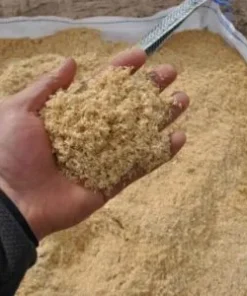
Buy sawdust online
Order premium spruce sawdust in bulk across Europe.
We source our spruce sawdust from sustainably managed European forests and process it into a fine, consistent grade suitable for animal bedding, composting, mushroom cultivation, and craft projects. We supply in bulk by the tonne or full truckload, delivering to the UK, Germany, France, Poland, the Netherlands, Italy, Romania and beyond. We kiln-dry each batch to a moisture content below 12%, reducing the risk of mould and bacterial growth in bedding applications. Buy Spruce Sawdust Online today and request a quote for your required volume. Our team at Wood Brezany can arrange delivery within 5 to 10 working days across most European destinations. This product has multiple variants. The options may be chosen on the product pageIs spruce sawdust safe for horses?
Spruce sawdust is safe for horses when sourced from untreated timber, kept dry, and used in a well-ventilated stable. Dust levels remain the main management concern.
If you manage horses and you are weighing up bedding options, spruce sawdust sits in an interesting position. It is not toxic. It absorbs well. It is affordable. And yet it carries a practical challenge that every responsible horse owner needs to understand before laying it on a stable floor: dust. This post works through the safety question in full, covering wood species, respiratory risks, stall management, and when spruce sawdust makes sense alongside alternatives like wood shavings, pellets, or mixed bedding.

Buy spruce sawdust for horse bedding
At Wood-Břežany, we supply pure spruce sawdust in bulk (by the tonne or full truckload) sourced from clean, untreated softwood. Our spruce sawdust is free from black walnut, chemical treatments, and metal contamination. It is suitable as a base layer in horse stalls, poultry houses, and livestock pens where high absorbency is the primary requirement.
Spruce is a softwood. Only softwoods such as spruce, fir, and pine are considered safe for the respiratory tract of horses and other animals. Our sawdust is sourced directly from sawmill operations, giving you a consistent, natural product at a competitive bulk price.
Key product details:
| Feature | Spruce sawdust (Wood-Břežany) |
|---|---|
| Wood species | Pure spruce (Picea abies) |
| Particle size | Fine to medium mill grade |
| Moisture content | Variable; air-dried at the source |
| Toxins | Free from walnut, treated wood |
| Supply format | Bulk tonne bags or full truck |
| Minimum order | Contact us for volume pricing. |
| Certifications | Untreated, natural wood only |
| Suitable for | Horses, poultry, composting |
Order spruce sawdust directly from our shop, or contact us for bulk truckload pricing.
What makes spruce sawdust different from other wood bedding?
Spruce is a softwood species, which places it in the safest category of timber for animal bedding.
Only softwoods such as spruce, fir, and pine are considered safe for the fragile respiratory tract of horses and other animals. Hardwoods, such as oak and walnut, may contain toxins harmful to animals. This is a meaningful distinction. Pine, spruce, and Douglas fir are the only species of shavings guaranteed safe for horses.
The critical risk with any sawdust or shaving product is contamination. If you use sawdust, make certain there is no black walnut in it. Black walnut trees contain juglone, a toxin the trees produce to reduce competition from other species, and it is toxic to horses.
When we supply spruce sawdust, our batches come from pure spruce mill runs with no mixed hardwood contamination. That sourcing discipline is what separates a safe product from a risky one.
Why does spruce sawdust produce dust, and does it harm horses?
Spruce sawdust, like all fine-particle wood products, generates airborne particulate matter when disturbed. This is the central health consideration.
Sawdust is made up of very fine wood particles, and the problem is that the finer the particles, the more dust there will be. Dust should be kept to a minimum, as it presents a health risk to both horses and humans alike.
Sawdust is inherently dusty and can cause respiratory and eye issues for horses. Sawdust can also be detrimental to humans’ respiratory health, particularly for people with respiratory conditions.
The science behind this is well-established. Equine asthma syndrome and noninfectious inflammatory airway disease are associated with airway hypersensitivity to environmental allergens and exposure to organic dust. Barn dust is rich in particulates from shavings, sawdust, manure, hay, animal hair and dander, and endotoxin.
Particles in the range from 10 to 2.5 microns are capable of penetrating the upper airways and lungs. The fine fraction of sawdust falls directly into this range, which is why ventilation and stall management frequency are non-negotiable when using spruce sawdust as a primary bed.
That said, a 2025 study published in the MDPI Animals journal found that there was no statistically meaningful difference between the average concentration of PM10 dust particles when horses were bedded on straw versus a mixture of sawdust and shavings. Context and management, in other words, matter as much as material choice.
How to use spruce sawdust safely in a horse stall
The good news is that the risks are manageable with straightforward stable routines. Here is what the evidence supports:
1. Choose a well-ventilated stable.
Air quality in stables is of utmost importance for the horses living and people working there. Many beneficial changes include selecting low-dust bedding and supplying fresh air via ample ventilation.
2. Muck out frequently
Provided the soiled sawdust is cleaned out regularly, this bedding type can be an excellent option for keeping horses. Minimising the horses’ exposure to airborne dust at times when new sawdust bedding is provided can assist with reducing respiratory irritation.
3. Maximise turnout time
Turnout is the single most effective intervention available. Air outdoors contains a fraction of the respirable particle load of a closed stable.
4. Avoid use with respiratory-sensitive horses.
Sawdust generally has a lot of dust, which can irritate your horse’s eyes and nose, especially when your horse is walking around his stall. Sawdust is definitely not recommended for people or horses that have respiratory issues.
5. Layer with shavings if dust is a concern.
Sawdust excels at absorbency but produces fine dust that irritates lungs. In poorly ventilated stables or with respiratory-sensitive horses, avoid or blend with low-dust bedding to retain absorbency while reducing risks.
You can read more about comparing bedding options in our guide on best bedding for horses, poultry and small animals.
What are the benefits of spruce sawdust for horses?
Despite the dust consideration, spruce sawdust has genuine practical advantages that keep it popular across European stables.
Horse urine contains strong ammonia that can damage hooves and irritate respiratory systems when it builds up. Sawdust absorbs up to three times its weight in moisture, pulling that ammonia away from your horse’s living area. This means drier stalls, healthier hooves, and better air quality.
For horses prone to eating their bedding, sawdust is less tempting than straw. This reduces the risk of impaction colic, a dangerous condition that can happen when horses consume large amounts of bedding.
When you muck out a stall with sawdust bedding, the wet spots clump together, letting you remove just the soiled bedding instead of half the stall. This saves both time and money since you replace less bedding each cleaning.
From a cost perspective, sawdust is generally less expensive to purchase than wood shavings and straw.
Which horses should not use spruce sawdust bedding?
Horses with respiratory conditions such as asthma need low-dust bedding materials. Sawdust is suitable for bedding in open, well-ventilated areas. It is not recommended for horses who spend lots of time inside due to its negative effect on air quality.
Foals also warrant extra caution. Sawdust is often too fine to use for horse bedding because horses might get particles in their eyes and noses.
If your horse has been diagnosed with equine asthma or recurrent airway obstruction, wood pellets or dust-extracted wood shavings are a more appropriate primary bedding choice. You can explore wood shavings or buy mixed wood shavings as lower-dust alternatives from our shop.
Spruce sawdust vs. wood shavings vs. pellets: which is best for horses?
The table below summarises the key differences to help you choose the right bedding for your situation.
| Bedding type | Absorbency | Dust level | Cost | Best for |
|---|---|---|---|---|
| Spruce sawdust | Very high | High | Low | Healthy horses, good ventilation |
| Wood shavings (pine/spruce) | High | Medium | Medium | Most horses, general use |
| Wood pellets (ENplus A1) | Very high | Very low | Medium-high | Respiratory-sensitive horses |
| Straw | Medium | Medium-high | Low | Foaling mares, composting focus |
| Shredded paper | Medium | Very low | Variable | Allergy-prone horses |
“The key point is to remember that it is so much easier to prevent dust than get rid of it.” (The Horse, Controlling Dust on Horse Properties)
If you are considering wood pellets as a low-dust alternative, our buy EN Plus A1 wood pellets are kiln-dried and certified, making them one of the cleanest options for sensitive horses. See also our broader guide on wood pellets for farms, greenhouses, and poultry for context on how pellet bedding performs in different livestock settings.
Where can I buy spruce sawdust for horses in bulk across Europe?
Wood-Břežany supplies spruce sawdust and other biomass products in bulk, by the tonne or full truck, to buyers across the Czech Republic, Germany, the UK, the Netherlands, Poland, Romania, and other European markets.
We supply:
- Buy Spruce Sawdust Online (spruce mill sawdust)
- Buy Pine Sawdust Online (pine softwood, equally safe species)
- Buy Oak Sawdust Online (for composting and industrial use, not horse bedding)
- Buy Mixed Wood Shavings (for lower-dust bedding application)
All orders can be placed through our shop or by visiting our contact page for truckload quotes. We also have a dedicated FAQ page for common buyer questions about species, volumes, and delivery.
Key takeaways
- Spruce is a safe wood species for horse bedding. It is a softwood, free from the toxins found in black walnut or other problematic hardwoods.
- Dust is the primary concern, not the wood species itself. Fine spruce sawdust particles can irritate the eyes and airways of horses, especially in enclosed or poorly ventilated stables.
- Healthy horses in well-managed, well-ventilated stalls can use spruce sawdust effectively as a high-absorbency bed, reducing ammonia build-up and stall-cleaning time.
- Horses with equine asthma, recurrent airway obstruction, or foals should be bedded on lower-dust alternatives such as kiln-dried shavings or wood pellets.
- Source matters. Only purchase sawdust confirmed to be free from black walnut, treated timber, and metal contamination.
- Management matters more than material. Frequent mucking out, maximising turnout, and good barn ventilation reduce the dust risk of spruce sawdust significantly.
- For volume buyers across Europe, Wood-Břežany offers bulk sawdust supply by tonne or truck. Contact us for a quote.
Frequently asked questions
Is spruce sawdust toxic to horses?
No. Spruce is a softwood and contains no toxins harmful to horses when sourced from untreated timber. Contamination from black walnut or treated wood is the toxicity risk to avoid.
Spruce sawdust is not toxic to horses. It is a safe softwood. Avoid any batch containing black walnut or chemically treated wood.
Can spruce sawdust cause respiratory problems in horses?
Yes, if dust levels are high and the stable is poorly ventilated. Fine sawdust particles can irritate airways. Good ventilation and frequent mucking out reduce the risk considerably.
Fine sawdust particles can irritate horse airways. Proper ventilation and regular stall cleaning are essential to manage this risk safely.
Is spruce sawdust better than pine sawdust for horse bedding?
Both are equally safe softwood options for horse stalls. The practical differences come down to local availability, particle size, moisture content, and price, not species-specific toxicity.
Spruce and pine sawdust are equally safe for horses. Choice depends on availability, price, particle size, and dryness at point of purchase.
How often should I change spruce sawdust bedding in a horse stall?
Soiled sawdust should be removed daily. A full bed refresh depends on your horse’s output and stall size, but a thorough strip of deep bedding is typically done every two to four weeks under normal management.
Remove soiled spruce sawdust daily. Full bed stripping is typically needed every two to four weeks depending on horse output and stall size.
What is the best bedding for a horse with respiratory problems?
Horses with airway sensitivity need the lowest-dust bedding available. Wood pellets, dust-extracted shavings, and paper bedding reduce airborne particles more effectively than conventional sawdust.
For horses with respiratory issues, wood pellets or dust-extracted shavings are preferred. Conventional sawdust increases airborne fine particles and worsens symptoms.
Wood pellets or dust-extracted shavings are best for horses with airway sensitivity. Conventional sawdust increases airborne particles and can worsen respiratory signs.
References
- A Literature Review on Equine Bedding: Impacts on Horse and Human Welfare, Health, and the Environment (MDPI Animals, 2025)
- Reducing Respiratory Health Risks to Horses and Workers: A Comparison of Two Stall Bedding Materials (NCBI, Animals journal, 2015)
- Equine Asthma Treatment and Management: Reducing Respirable Particles (American Association of Equine Practitioners, AAEP)
- Housing of Horses (MSD Veterinary Manual)
- Bedding Choices for Horses (The Horse)
- Stable Dust and Equine Asthma: The Management Plan (Peqaboo Equine Health, 2025)
- Sawdust Bedding vs. Straw and Shavings: What is Best for Your Animals? (Artesia Sawdust)