

 Čeština
 Deutsch
 Română
 Polski
 Italiano
 Español
 Nederlands
Best Bedding for Horses, Poultry and Small Animals: Compared
Finding the best bedding for horses, poultry and small animals requires balancing absorbency, dust control, and overall animal comfort. At WOOD-Břežany s.r.o. (IČO: 05273790, located at Břežany 241, 671 65 Břežany), we understand that a clean habitat directly impacts animal health and operational efficiency. As a leading European supplier of bulk biomass, we provide premium wood shavings, sawdust, wood pellets, and wood chips tailored for agricultural and equestrian needs. This guide compares the top options to help you make an informed, cost-effective choice for your facility.
Wood shavings are the best all-round bedding for horses, poultry and small animals: low dust, good absorbency and easy disposal. Pellets absorb the most per kilogram; straw costs the least per bale but needs the most care. The right choice depends on the animal, your budget and how you dispose of used bedding.
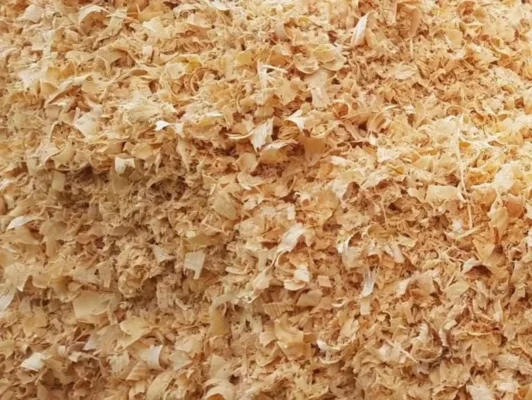
What is the best bedding for horses?
The best bedding for horses is kiln dried wood shavings or wood pellets due to high absorbency, low dust, and superior odour control.
Equine facilities demand bedding that manages moisture and reduces respiratory risks. Kiln-dried wood shavings offer a soft, cushioned surface that protects joint health while absorbing significant amounts of urine. For operations seeking longer lasting solutions, wood pellets expand upon contact with moisture, creating a highly absorbent layer that minimises mucking time. Avoid softwood shavings with high resin content, as they can irritate sensitive airways. Instead, opt for professionally processed materials like our mixed wood shavings, which guarantee consistent particle size and optimal moisture retention. Proper stable management relies on materials that clump well and neutralise ammonia odours effectively.
Which wood shavings are safest for poultry bedding?
Pine wood shavings provide the safest poultry bedding because they offer excellent moisture absorption and remain free of harmful aromatic oils.
Poultry coops require bedding that stays dry to prevent footpad dermatitis and respiratory issues in birds. Pine wood shavings are widely recognised as the gold standard for poultry environments. Unlike cedar, which contains phenols that can damage avian respiratory systems, pine provides a safe, aromatic-free alternative.
The coarse texture of quality shavings encourages natural scratching behaviour while wicking moisture away from the coop floor. For commercial hatcheries or free-range setups, sourcing dedicated wood shavings for poultry bedding ensures your flock remains healthy and productive. Regular turning of the litter combined with highly absorbent wood products significantly reduces ammonia buildup, promoting better air quality inside the enclosure.
Comparison at a glance
| Bedding | Dust | Absorbency | Cost level | Best for |
|---|---|---|---|---|
| Wood shavings (pine, spruce) | Low if dust-extracted | Good | Medium | Horses, poultry, rabbits, guinea pigs |
| Sawdust | High, fine dust | Good, but clumps and stays wet | Low | Cattle, pigs, outdoor sheds. Not for horses. |
| Wood pellets | Low until broken down | Highest per kg | Low per week | Horses, cat litter, small animal trays |
| Straw | Medium to high | Lowest | Low per bale, high per week | Cattle, pigs, some horses, outdoor poultry nesting |
Wood shavings
Shavings are planed wood curls. Dust-extracted pine and spruce shavings are soft, comfortable and absorb urine well. They compost in about 6 to 12 months. Pick bagged, kiln-dried shavings, because damp shavings grow mould. Avoid cedar for small animals and birds, since the aromatic oils can irritate airways, and never use black walnut for horses, because it can cause laminitis.
Browse pine wood shavings and wood shavings for sale. For coops, read our guide on wood shavings for poultry bedding.
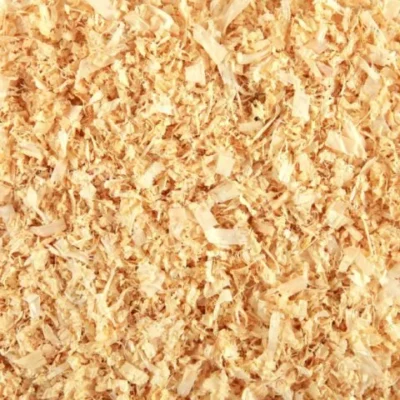
Which wood shavings are safest for poultry bedding?
Pine wood shavings provide the safest poultry bedding because they absorb moisture well and are free of harmful aromatic oils.
Poultry coops require bedding that stays dry to prevent footpad dermatitis and respiratory issues in birds. Pine wood shavings are widely recognised as the gold standard for poultry environments. Unlike cedar, which contains phenols that can damage avian respiratory systems, pine provides a safe, aromatic-free alternative.
The coarse texture of quality shavings encourages natural scratching behaviour while wicking moisture away from the coop floor. For commercial hatcheries or free-range setups, sourcing dedicated wood shavings for poultry bedding ensures your flock remains healthy and productive. Regular turning of the litter combined with highly absorbent wood products significantly reduces ammonia buildup, promoting better air quality inside the enclosure.
Sawdust
Sawdust is cheap and absorbs well, but the fine particles hang in the air and settle in the lungs. Horses are prone to respiratory trouble, so use sawdust only for animals that tolerate it in well-ventilated sheds. Wet sawdust packs into a heavy layer that is hard to muck out. Coarser sawdust is better than fine. See pine sawdust.
Wood pellets as bedding
Bedding pellets are compressed softwood. Add water, and they swell into fine, soft sawdust. The pellets absorb a lot of liquid and expand to several times their original volume, so a bag goes a long way and storage takes little space. Use unflavoured, untreated pellets with a low ash content. Fuel pellets of ENplus quality are made of the same raw material. See biomass wood pellets.
Straw
Straw is warm, natural and can be eaten, which suits some cattle and pigs. It absorbs the least, so you use more per week and muck out more often. Dusty or mouldy straw is a health risk for horses and poultry. Store bales dry and shake them out before use. Cheap straw gets expensive when you use three bales for what a bag of shavings does.
Cost per week: an example
The prices below are examples to show the method. Replace them with your own.
- Horsebox, shavings: 2 bags per week at €9 = €18.
- Horsebox, pellets: 1.5 bags (15 kg) per week at €6 = €9.
- Horsebox, straw: 1.5 bales per week at €6 = €9 plus higher muck-out time and disposal volume.
- Coop for 10 hens, shavings: 1 bag per 4 weeks at €9 = about €2.30 per week.
- Rabbit hutch, shavings: 1 small bag per month at €5 = about €1.20 per week.
Include the cost of disposal. Straw and sawdust produce the heaviest muck heaps; pellets the lightest.
Disposal
Wood bedding composts into soil improver after several months. Let heaps rot for 6 to 12 months before spreading on a garden. Check local rules for manure heaps, since limits on size and distance from water apply in many EU countries.
Which one for your animal?
- Horses: dust-extracted shavings or pellets.
- Chickens and ducks: medium pine shavings, with straw in nest boxes.
- Rabbits and guinea pigs: shavings plus hay for eating. Avoid cedar and fine dust.
- Cattle, pigs and sheep: straw or coarse sawdust.
How do wood pellets compare to traditional sawdust for small animals?
Wood pellets outperform traditional sawdust for small animals by offering lower dust levels, higher absorbency, and easier daily spot cleaning.
Small animal enclosures, such as rabbit hutches or guinea pig cages, benefit immensely from low-dust environments. While sawdust is inexpensive, fine particles can cause severe respiratory distress in small mammals. Wood pellets, conversely, are compressed under high heat, eliminating fine dust and creating a dense, highly absorbent material. When wet, these pellets break down into a soft, sawdust-like consistency, providing comfort while locking in odours. This dual action mechanism makes them a superior choice for pet owners and breeders alike. If you are looking to transition your small animal facility to a cleaner alternative, you can buy wood pellets in bulk to ensure a steady, economical supply throughout the year.
| Bedding Type | Absorbency Level | Dust Production | Odour Control | Best Suited For |
|---|---|---|---|---|
| Wood Shavings | High | Low to Moderate | Good | Horses, Poultry, General Livestock |
| Wood Pellets | Very High | Very Low | Excellent | Small Animals, Horses, High-Traffic Coops |
| Sawdust | Moderate | High | Fair | Budget Poultry Bedding, Composting Base |
| Wood Chips | Low | Very Low | Fair | Outdoor Runs, Garden Mulching, Pathways |
Where can you buy bulk wood bedding in Europe?
You can buy bulk wood bedding across Europe directly from WOOD-Břežany s.r.o., ensuring certified quality and reliable tonnage or truckload deliveries.
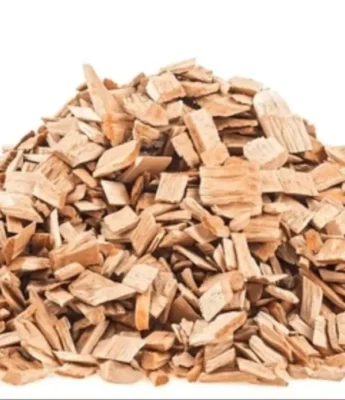
Sourcing agricultural supplies in large quantities requires a dependable partner with robust logistics. WOOD-Břežany s.r.o. specialises in the bulk supply of biomass products across European markets. We deliver wood chips, sawdust, and pellets in tonnes or full truckloads, catering to large-scale farms, equestrian centres, and agricultural cooperatives. Understanding what are wood chips used for helps facilities optimise their outdoor spaces, while our indoor bedding solutions maintain strict hygiene standards. Our commitment to quality means every shipment meets rigorous moisture and purity benchmarks. Learn more about our operations and commitment to sustainable forestry by visiting our about us page.
Why choose wood briquettes for stable and coop management?
Wood briquettes are ideal for stable management because they expand significantly when wet, providing exceptional absorbency and minimising waste disposal.
An often overlooked option for animal housing is the wood briquette. Originally designed for heating, these compressed blocks possess remarkable absorbent properties when repurposed for bedding. When exposed to moisture, a single briquette expands up to three times its original volume, creating a thick, absorbent layer. This characteristic drastically reduces the volume of waste generated, lowering disposal costs and labour requirements. For facilities seeking maximum efficiency, exploring the best wood briquettes can revolutionise daily cleaning routines while maintaining a dry, comfortable environment for livestock.
How should you store bulk wood bedding for maximum freshness?
Store bulk wood bedding in a cool, dry, and well ventilated area, elevated off the ground on pallets to prevent moisture absorption and mould growth.
Proper storage is just as important as the initial purchase. Moisture is the primary enemy of any wood based bedding product. When sawdust or wood shavings are exposed to humidity, they can develop mould spores, which pose severe respiratory threats to animals. To maintain the integrity of your supply, keep the materials in a dedicated, weatherproof shed. Always stack bags or bulk piles on wooden pallets to ensure airflow beneath the product. If you purchase loose bulk materials, cover them with breathable tarps that protect against rain while allowing trapped humidity to escape. Maintaining a dry storage environment ensures that your materials retain their superior absorbent qualities from the moment of delivery until the final scoop.
“The foundation of animal welfare begins with the floor they stand on. Proper bedding is not an expense, it is an investment in health.”
Key takeaways
- Prioritise low dust: Respiratory health is paramount for horses, poultry, and small mammals.
- Maximise absorbency: Wood pellets and kiln dried shavings offer superior moisture control compared to raw sawdust.
- Buy in bulk: Purchasing tonnage or truckloads from a dedicated supplier like WOOD-Břežany s.r.o. ensures consistent quality and better pricing.
- Avoid harmful woods: Never use cedar shavings for poultry or small animals due to toxic aromatic oils.
FAQ
Are wood shavings safe for horses?
Yes, if they come from softwood such as pine or spruce, are dust-extracted and dry. Never use black walnut.
Can I use fuel pellets as bedding?
Untreated softwood pellets work. Check that they contain no additives and no flavour. Ask us about the raw material of the pellets you want.
Is sawdust or shavings better for chickens?
Shavings. Sawdust creates dust that irritates the respiratory system of hens.
What is the most absorbent bedding for horse stables?
Kiln dried wood pellets are the most absorbent option. They expand when wet, locking in moisture and neutralising ammonia odours more effectively than traditional straw or shavings.
Are wood shavings safe for baby chicks?
Yes, large flake pine wood shavings are highly recommended for baby chicks. They provide excellent traction, warmth, and moisture absorption without the respiratory risks associated with fine sawdust or cedar.
How often should poultry bedding be changed?
The frequency depends on flock size and ventilation. However, using highly absorbent wood shavings allows for a deep litter method, where you only need to remove wet spots weekly and fully replace the bedding every few months.
Can wood pellets be used for all small animals?
Wood pellets are generally safe for rabbits, guinea pigs, and ferrets. However, ensure the pellets are 100 percent natural wood with no added chemicals, binders, or softwood resins that could cause irritation.
Does WOOD-Břežany s.r.o. deliver bedding materials internationally?
Yes, we specialise in bulk deliveries across Europe. We supply wood shavings, sawdust, pellets, and chips in tons or full truckloads to meet the demands of large agricultural and equestrian operations.