

 Čeština
 Deutsch
 Română
Which Wood Chips Are Best for the Garden? | Wood-Břežany S.R.0
Which Wood Chips Are Best for the Garden?. Compare cedar, pine, and oak varieties for vegetable beds, pathways & ornamental plantings. Premium chips from Wood-Břežany S.R.0. Transform your garden with premium wood chips from Wood-Břežany S.R.0. Our sustainably sourced chips improve soil health, retain moisture, suppress weeds naturally, while adding organic matter. Perfect for vegetable gardens, flower beds, pathways. Shop quality wood chips online today.
Transforming your garden into a thriving ecosystem starts with one fundamental decision: choosing the right wood chips for garden applications. At Wood-Břežany S.R.0, we understand that quality mulching materials make all the difference between struggling plants and flourishing landscapes.
Research from 1990 evaluated 15 organic materials, including grass clippings, leaves, composts, yard wastes, bark, and wood chips, finding that wood chips performed exceptionally well in moisture retention, temperature moderation, weed control, and sustainability. This scientific backing explains why gardeners across Europe increasingly turn to wood chip mulch for sustainable soil improvement.
Buy Quality Wood Chips for Your Garden Today
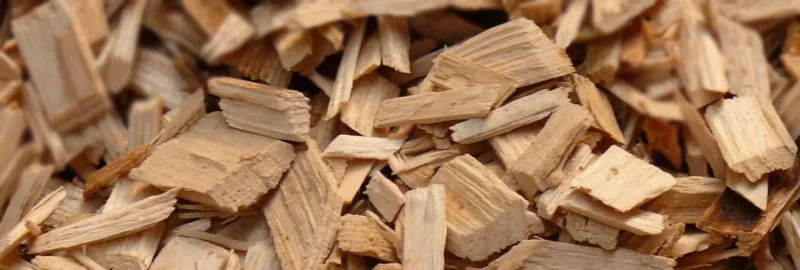
When you buy wood chips online from our collection, you’re investing in sustainable garden management. Our chips come from responsibly sourced timber, processed specifically for horticultural applications. Unlike commercial bark mulches that primarily serve aesthetic purposes, our wood chips deliver genuine soil enrichment benefits.
Pine wood chips offer exceptional value for gardeners working with acid-loving plants. Pine wood chips are readily available and often more affordable than other types. Being slightly acidic makes them ideal for acid-loving plants such as blueberries and azaleas. For European gardeners cultivating rhododendrons, camellias, or berry bushes, pine wood chips create optimal growing conditions naturally.
What Makes Cedar Wood Chips the Best Garden Mulch?
Cedar wood chips stand among the premium options for garden applications. Cedar wood chips are favored for their natural resistance to decay and pests, emitting a pleasant aroma while often being used in pathways and ornamental gardens, helping to repel insects due to their aromatic oils. This natural pest resistance transforms ordinary flower beds into protected environments.
When considering cedar wood shavings, gardeners benefit from multiple advantages. The aromatic oils within cedar naturally deter termites, ants, moths, mosquitoes, and cockroaches without chemical interventions. This makes cedar particularly valuable around roses, ornamental shrubs, and perennial borders where pest pressure typically runs high.
However, cedar’s longevity presents both advantages and considerations. Cedar mulch takes a long time to break down, which means if you use cedar mulch to top dress your soil, then you shouldn’t need to replace it again for many years. For permanent plantings like shrubs and trees, this durability proves economical. For vegetable gardens requiring annual soil cultivation, faster-decomposing options serve better.
How Long Do Different Wood Chips Last in Garden Beds?
Understanding decomposition rates helps match wood chip types to specific garden applications. Hardwood chips such as those derived from oak, maple, or hickory are dense and take longer to decompose, providing long-lasting benefits excellent for pathways and non-cultivated spaces. This extended lifespan makes hardwood chips ideal for areas where you prefer minimal maintenance.
Softwood chips follow different timelines. Softwood chips originate from coniferous trees, are generally lighter, and tend to break down faster than hardwoods. This faster breakdown means softwood chips release nutrients more quickly, benefiting annual gardens and areas where regular soil amendment proves desirable.
For composting applications, timing matters significantly. With the right techniques and care taken to compost wood chips, you can expect it to take anywhere between 3 to 6 months to fully compost into nutrient rich soil. This timeframe assumes proper moisture management, adequate nitrogen supplementation, and regular aeration of the compost pile.
Which Wood Chips Should You Avoid in Gardens?
Not all wood products suit garden applications equally. Bark nuggets do not have the carbon to nitrogen ratio that creates a good gardening mulch, while processed wood chips that are dyed or chemically treated should not be used as they will not provide the benefits of tree trimming service material. These commercial products often contain additives unsuitable for food production or beneficial soil organisms.
Black walnut chips require special consideration. Black walnut, tree of heaven, magnolia, and eucalyptus all exude allelochemicals that can prevent seed germination or even kill young plants, though they each affect only certain species. While these chemicals break down over time, sensitive plants may struggle when exposed to fresh walnut chips.
Treated lumber chips pose serious risks. Chemical preservatives containing arsenic, chromium, or other toxins can leach into soil, contaminating edible crops and harming beneficial organisms. Always verify that wood chips come from untreated, natural sources before application.
Best Wood Chips for Vegetable Gardens vs Ornamental Beds
Vegetable gardens demand specific mulching strategies. When chips are used as mulch, that interface is at the soil surface, not where the plant roots are down lower, and soil microbes don’t wander down six inches to grab nitrogen then commute back up to the surface. This explains why surface-applied wood chips don’t cause nitrogen deficiency in established plants.
The key principle: never incorporate wood chips into vegetable garden soil. When wood chips are mixed or tilled into the soil it moves the interface deeper, down to where the plant roots are, and that’s when problems arise. Surface mulching allows wood chips to suppress weeds, retain moisture, and moderate temperature without interfering with nutrient availability.
For ornamental beds featuring shrubs, perennials, and trees, wood chips excel spectacularly. Unlike uniformly textured sawdust and bark mulches, arborist wood chips include bark, wood, and often leaves, with the chemical and physical diversity of these materials resisting compaction often found in sawdust and bark mulches. This diversity creates habitat for beneficial organisms while improving soil structure gradually.
Where to Buy Premium Wood Chips for European Gardens
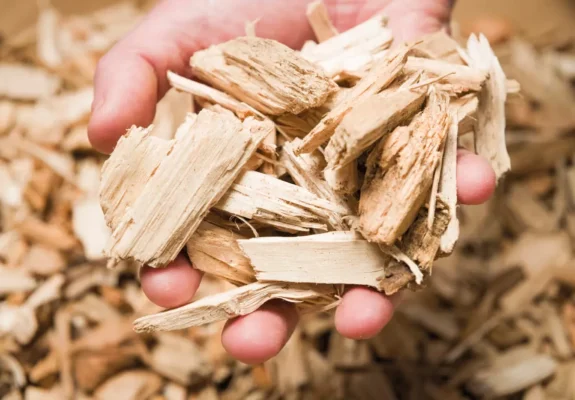
At Wood-Břežany S.R.0, we supply premium wood chips tailored for European climate conditions. Our processing ensures appropriate particle sizes for optimal performance. When you buy alder wood chips online, you receive material specifically graded for garden applications rather than industrial uses.
We offer several varieties:
Pine Wood Chips: Excellent for acid-loving plants, berry patches, and areas requiring faster decomposition. The natural resins provide moderate pest deterrence while enriching soil as they break down. Our pine wood chips come from sustainably managed forests.
Oak Wood Chips: These hardwood options deliver exceptional longevity for pathways, borders, and permanent plantings. Oak is deciduous, dense, has a moderate decomposition rate, high ecosystem support, and neutral soil impact. Oak wood chips support diverse microbial communities without significantly altering pH.
Mixed Wood Chips: Combining species provides balanced benefits. Mixed chips offer varied decomposition rates, creating continuous nutrient release while maintaining structure. The diversity supports broader beneficial organism populations.
How to Use Wood Chips in Your Garden Successfully
Proper application maximizes wood chip benefits while avoiding common pitfalls. Begin by clearing weeds from the target area. Apply a layer three to four inches thick around plants and trees, as this depth is sufficient to provide benefits without risking plant health. This thickness suppresses most weed seeds while allowing adequate gas exchange with soil.
Critical spacing guidelines: Keep the mulch a few inches away from plant stems and tree trunks to prevent moisture-related issues and potential pest problems. Creating a small gap around stems prevents bark rot and discourages pest insects from using mulch as a bridge to plants.
For vegetable production, strategic placement proves essential. In vegetable gardens, apply wood chip mulch between rows to control weeds and retain moisture. This approach keeps pathways manageable while protecting plant root zones from compaction and moisture loss.
Fresh versus aged chips present different advantages. While fresh wood chips can be used immediately, allowing them to age for a few months before application can be beneficial, especially for use around sensitive plants, as this aging process lets the chips begin to decompose, making them more effective at retaining moisture and less likely to compete with plants for nitrogen.
Why Wood Chips Transform Garden Soil Health
The soil improvement process occurs gradually but profoundly. As they decompose, they slowly blend into your soil, helping improve its structure and adding a variety of nutrients and plant matter for microbes to feed on. This organic matter incorporation happens continuously, year after year, building soil depth and fertility.
Microbial activity increases significantly under wood chip mulch. After microbes feed on the decomposing wood chips, spaces form and these tiny spaces give beneficial microbes more air pockets to breathe, resulting in less compaction and more belowground life. This biological activity creates the foundation for plant health, converting raw wood into available nutrients.
Moisture management improves dramatically with wood chip mulching. Wood chips help to retain moisture in the soil by reducing evaporation rates. For European gardeners facing summer heat waves or water restrictions, this moisture conservation can mean the difference between thriving plants and water stress.
Temperature moderation provides another crucial benefit. Wood chips insulate soil against both heat and cold extremes, protecting root systems during temperature fluctuations. This buffering effect extends the growing season and reduces transplant shock.
Best Practices for Wood Chip Garden Paths
Garden pathways benefit enormously from wood chip applications. Wood chips provide a softer walking surface compared to gravel or concrete, enhancing the garden experience while requiring minimal upkeep, needing only occasional replenishment as the chips decompose. This creates comfortable, eco-friendly pathways integrated with garden aesthetics.
For pathway construction, prepare the ground by removing perennial weeds and creating defined edges. Fill the path with a three to four inch layer of wood chips, as fresh chips are ideal for this purpose because of their larger size and slower decomposition rate. Larger chips resist compaction better than fine materials, maintaining walkable surfaces longer.
Pathway chips typically last longer than bed mulches since decomposition proceeds more slowly without direct soil contact. Annual topping up maintains depth and appearance. Consider using oak sawdust mixed with wood chips for areas requiring firmer surfaces, though pure chips generally provide better drainage.
Order Wood Chips for Sustainable Garden Management
Sustainable gardening practices increasingly center on organic matter cycling. Utilizing wood chips repurposes organic waste materials and reduces the volume of waste sent to landfills while storing carbon, helping reduce greenhouse gas emissions and combating climate change. Every cubic meter of wood chips applied represents carbon sequestered from the atmosphere.
When you order wood chips from Wood-Břežany S.R.0, you support circular economy principles. Our processing methods minimize energy consumption while delivering products that rebuild soil rather than depleting it. This contrasts sharply with synthetic mulches or chemical approaches to weed management.
European regulations increasingly favor organic growing methods, particularly for commercial production. Wood chip mulching aligns perfectly with these standards, providing certified organic growers with effective tools for weed suppression and moisture management without prohibited substances.
Frequently Asked Questions About Garden Wood Chips
How Often Should Garden Wood Chips Be Replaced?
Replacement frequency depends on chip type and application. Generally, replacing wood chip mulch every one to two years is sufficient to maintain its benefits. Cedar and hardwood chips may last three to four years in ornamental beds, while softer woods decompose within 12 to 18 months. Monitor mulch depth and replenish when it falls below two inches.
Do Wood Chips Attract Termites or Other Pests to Gardens?
Although wood chips do not attract termites or other pests, they and other mulches can act as a bridge allowing pest insects to enter houses and garages, so maintaining a narrow strip of bare soil next to foundations prevents infestations. In garden beds away from structures, wood chips actually support beneficial predator insects that control pest populations.
Can I Use Fresh Wood Chips Straight from the Chipper?
Fresh chips work excellently for most applications. Fresh wood chips created from freshly cut tree branches sourced from multiple species of trees provide the most well balanced composition for a garden, as they have been fragmented through a wood chipper and have not undergone composting. The mixture of branches and leaves creates ideal carbon to nitrogen ratios. For sensitive plants, aging chips for two to three months reduces potential concerns.
Which Wood Chips Work Best for Acid-Loving Plants?
Pine wood chips excel for acid-preferring species. Their slight acidity benefits blueberries, azaleas, rhododendrons, heathers, and camellias. However, while fresh pine needles are acidic, they become more neutral as they break down, so bringing in pine mulch from another site is unlikely to significantly affect soil pH. For substantial pH reduction, combine pine chips with elemental sulfur applications.
Should I Mix Wood Chips Into Garden Soil Before Planting?
Never incorporate wood chips deeply into planting areas. Surface application provides all benefits without nitrogen immobilization risks. Wood chips on top do not cause a lack of available nitrogen for plants because nitrogen immobilization happens at the soil surface but won’t affect nitrogen levels deeper in the soil. If concerned, apply blood meal before mulching, though this typically proves unnecessary.
Key Takeaways: Selecting Premium Wood Chips for Your Garden
Selecting appropriate wood chips transforms garden performance fundamentally. Cedar chips provide maximum pest resistance and longevity for ornamental applications. Pine chips suit acid-loving plants while offering affordability. Hardwood oak and maple chips deliver extended service life in pathways and permanent plantings.
Application technique matters as much as material selection. Maintain three to four inch depth, keep chips away from stems and trunks, and apply as surface mulch rather than incorporating into soil. These practices unlock wood chips’ full potential while avoiding problems.
At Wood-Břežany S.R.0, we provide certified quality wood chips for European gardeners committed to sustainable practices. Our products support soil health, conserve water, suppress weeds naturally, and build long-term fertility. Whether managing a small urban garden or extensive landscape, our wood chips deliver proven performance.
Visit our shop to explore our complete range of wood products including wood pellets, wood briquettes, and specialized chips for every application. For questions about which products suit your specific needs, contact our team for personalized recommendations.
Transform your garden soil health starting today with premium wood chips that nourish rather than merely cover. The investment pays dividends in healthier plants, reduced maintenance, and sustainable garden management for years ahead.
Comparison Table: Best Wood Chips for Different Garden Applications
| Wood Chip Type | Decomposition Rate | Best Applications | pH Impact | Pest Resistance | Longevity | Cost Level |
|---|---|---|---|---|---|---|
| Cedar | Very Slow | Ornamental beds, pathways, perennial borders | Neutral | Excellent (natural oils) | 3 to 5 years | High |
| Pine | Moderate to Fast | Acid-loving plants, berry gardens, annual beds | Slightly acidic | Good | 1 to 2 years | Low |
| Oak | Slow | Pathways, tree rings, permanent plantings | Neutral | Moderate | 2 to 4 years | Medium |
| Maple | Moderate | Mixed borders, vegetable pathways, general mulch | Neutral | Moderate | 1.5 to 3 years | Medium |
| Mixed Hardwood | Moderate | All-purpose gardens, diverse plantings | Neutral | Moderate | 2 to 3 years | Low to Medium |
| Alder | Moderate | Nitrogen-fixing companion, mixed beds | Slightly alkaline | Low to Moderate | 1.5 to 2.5 years | Medium |
References
-
- Epic Gardening: Wood Chip Mulch Benefits
- Learning and Yearning: Using Wood Chips for Mulch
- Back to Eden Gardening: Best Wood Chips for Garden
- Washington State University: Using Arborist Wood Chips as Landscape Mulch
- Orchard People: Best Wood Chips for Fruit Trees
- Generation Acres Farm: Are Wood Chips Good for Compost
- Farmonaut: Best Wood Chips for Compost NPK Guide
- What Are Wood Chips Used For
- Wood chips vs mulch