

 Čeština
 Deutsch
 Română
Woods Pellets Uses | Buy Quality Wood Pellets UK
Wondering what are wood pellets used for? Our certified ENplus A1 pellets offer eco-friendly solutions. Buy premium wood pellets online with fast UK delivery. Discover the main wood pellets for home heating, BBQ grills, animal bedding, and industrial energy. Learn how wood pellets provide an eco-friendly and affordable fuel solution. Our premium wood pellets serve multiple purposes across residential and commercial applications. From efficient home heating systems to animal bedding and industrial processes, our ENplus A1 certified pellets deliver consistent performance with minimal ash content and maximum heat output.
Key characteristics include:
- Low moisture content (typically under 10%)
- High energy density (4.7-5.2 MWh per tonne)
- Minimal ash production (usually around 1%)
- Uniform size and shape for consistent burning
- 100% natural composition without chemical additives
What are Wood Pellets?
Made from pure spruce and pine sawdust sourced from sustainable European forests, these pellets represent the perfect balance of quality, sustainability, and value. Available in convenient 15kg bags or bulk pallet deliveries, our wood pellets are packaged to preserve freshness and ensure optimal burning characteristics. With Wood-Břežany’s decades of expertise in biomass production, you can trust our products to perform reliably while reducing your carbon footprint. Order today and experience why thousands of customers across Europe choose our wood pellets for their heating and industrial needs.
What Are Wood Pellets Used For?
At Wood-Břežany s.r.o., we’ve witnessed the remarkable evolution of wood pellets from simple heating fuel to versatile eco-solutions across Europe. Our customers in the UK, Germany, and Poland continually surprise us with innovative applications, proving these small cylindrical granules offer far more than meets the eye. Whether you’re considering buying wood pellets online for the first time or expanding their use in your household, understanding their full potential helps maximise value.

How Are Wood Pellets Made and What Are They?
Wood pellets are compact cylindrical granules typically 6mm in diameter, manufactured from dried, untreated sawdust and wood shavings compressed under high pressure. This production process creates a dense, energy-rich fuel with consistent properties. Unlike firewood, which varies in moisture content and density, quality pellets like our ENplus A1 certified options maintain strict standards for moisture (under 10%), ash content (less than 0.7%), and energy output (minimum 18 MJ/kg).
According to the European Biomass Association, the production of wood pellets utilises waste material from sustainable forestry and wood processing industries, transforming what would otherwise be discarded into valuable energy sources. This circular approach makes pellets both economical and environmentally responsible.
Buy Wood Pellets for Residential Heating Applications
Pellet Stoves and Home Heating Systems
Pellet stoves stand out with efficiency scores ranging from the high-70s to the low-80s, making them considerably more efficient than traditional wood stoves. Wood pellet combustion has a high efficiency level, averaging about 80%, with extremely low particulate emissions.
When you buy EN Plus A1 wood pellets from our range, you’re investing in:
- Automated feeding systems that eliminate constant refuelling
- Thermostat-controlled heat for precise temperature management
- Extended burn times of 8-40 hours, depending on hopper capacity
- Cleaner combustion with minimal creosote buildup
Our customers throughout Europe appreciate how biomass wood pellets provide consistent warmth without the labour intensity of traditional firewood. According to the Pellet Fuels Institute, the average homeowner can save close to $700 per year by heating with wood pellets instead of oil or propane.
Central Heating with Pellet Boilers
Modern, well-designed pellet boilers generally operate with efficiency above 90%, making them exceptional performers for whole-home heating. These systems integrate seamlessly with existing central heating infrastructure, providing hot water and radiator heating throughout your property.
For those wondering how long 20kg of wood pellets last, consumption depends on your heating demands, but approximately 220-250 kg of pellets are needed to produce 1,000 kWh of heat under optimal conditions.
Best Wood Pellets for Commercial Applications
Industrial Power Generation
Power generation dominated the wood pellets market in 2024, accounting for 59.9% of total application consumption globally. Utility companies increasingly adopt wood pellets as a cleaner alternative to coal in power stations.
A study at a power station in the United Kingdom found that wood pellets lower greenhouse gas emissions by more than 80% compared to coal, even after accounting for fossil fuel emissions during harvesting, manufacturing, and transportation.
The industrial sector benefits from:
- Co-firing capabilities in existing coal plants
- Dedicated biomass power stations
- Combined heat and power (CHP) systems produce both electricity and heat
- Reduced carbon footprint whilst maintaining energy output
Commercial Building Heating
Schools, hospitals, hotels, and office buildings across Europe are increasingly installing pellet boiler systems. Businesses and public sector buildings use wood pellet boilers to reduce heating costs and improve sustainability credentials.
When delivered in bulk, commercial operations benefit from:
- Automated fuel delivery systems
- Lower operational costs compared to fossil fuels
- Compliance with environmental regulations
- Improved corporate sustainability profiles
Browse our DIN wood pellets specifically designed for commercial heating applications.

Where to Buy Wood Pellets for Specialised Applications
Agricultural and Animal Bedding
Beyond heating, wood pellets serve multiple purposes in agricultural settings. Pellets are used as bedding for livestock, particularly horses, due to their high absorbency and low dust levels, helping maintain a cleaner and more hygienic environment.
Our wood shavings for poultry bedding complement our pellet offerings, providing farmers with comprehensive bedding solutions. When pellets absorb moisture, they expand into soft, comfortable bedding that controls odours naturally.
Agricultural benefits include:
- Superior moisture absorption compared to traditional straw
- Reduced ammonia levels in animal housing
- Less frequent bedding changes save labour costs
- Compostable waste suitable for agricultural use
- Dust-free environment protecting respiratory health
Cooking and Food Preparation
Wood pellets are used in specialised grills and smokers for cooking, providing consistent heat and a smoky flavour to food. Pellet grills have gained popularity amongst outdoor cooking enthusiasts who appreciate precise temperature control and distinctive wood-smoked flavours.
BBQ wood pellets made from hardwoods like oak, cherry, apple, and hickory not only burn longer and provide stable heat but also produce distinctive aromas that enhance the appeal of grilled foods.
How to Buy Wood Pellets.
What is ENplus Certification?
ENplus certified over 13.3 million tonnes of wood pellets in 2024, with Germany leading production at almost 3.7 million tonnes. This certification scheme ensures consistent quality throughout the supply chain.
Learn more about what ENplus certification means for your pellet purchase. ENplus A1 ensures pellets meet strict criteria for low moisture content for maximum energy efficiency, consistent size and density for optimal burner performance, and minimal ash content to reduce maintenance.
DIN Plus Standards
The DIN Plus certification represents German engineering excellence applied to biomass fuels. When you purchase A1 wood pellets, you’re guaranteed:
- Premium grade quality meeting rigorous German standards
- Consistent calorific value around 4.8 kWh per kilogram
- Low ash content, typically under 0.7%
- Controlled particle distribution for reliable feeding systems
Wood Pellets for Sale: Cost Efficiency Analysis
Comparing Heating Costs
Understanding the economic advantages helps explain growing pellet adoption. Pellet prices have faced significantly less fluctuation than oil prices, staying at approximately 5 cents per kWh since 2000, whilst oil prices fluctuated from 5 cents per kWh up to 11 cents per kWh.
Our guide on pellet vs gas heating cost comparison provides a detailed analysis, but key considerations include:
- Stable pricing is less affected by global market volatility
- Local production reduces transportation costs
- Renewable source protecting against fossil fuel price spikes
- Government incentives in many European countries support biomass adoption
For those asking, “Is it cheaper to burn wood or pellets?” Wood pellets are often cheaper than firewood and offer a more consistent heat source.
Energy Equivalency
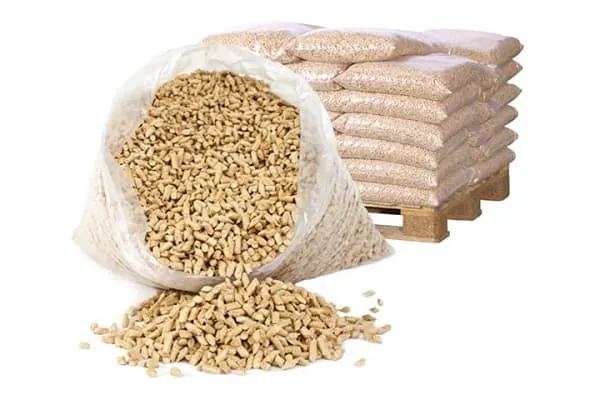
One tonne of wood pellets equals 120 gallons of oil, 170 gallons of propane, or 4,775 kWh of electricity, demonstrating remarkable energy density. When you buy wood pellets online, you’re purchasing one of the most space-efficient renewable fuels available.
Best Wood Pellets UK and Europe: Quality Matters
Choosing Premium Pellets
Not all wood pellets perform equally. At Wood-Břežany s.r.o., we emphasise quality because inferior pellets cause:
- Excessive ash production requiring frequent cleaning
- Incomplete combustion wastes fuel and money
- Clinker formation can potentially damage heating equipment
- Reduced heat output, failing to meet heating demands
Our best wood pellets UK selection ensures optimal performance through:
- Hardwood composition provides longer burn times
- Strict moisture control maximising energy output
- Minimal additives ensure clean combustion
- Consistent sizing prevents feeding issues
Safe Indoor Use
Concerns about indoor air quality are valid. Research our guide on whether our wood pellets are safe to use indoors to understand that modern pellet stoves incorporate sophisticated combustion systems producing minimal emissions when operated correctly with quality fuel.
Buy Wood Pellets Online: Sustainability and Environmental Impact
Carbon Footprint Reduction
Heating with wood pellets can cut carbon and greenhouse gas emissions by up to 5 metric tons each year. This substantial reduction stems from pellets being carbon-neutral during their lifecycle.
Trees absorb carbon dioxide whilst growing. When pellets burn, they release only the carbon previously captured, creating a closed loop. By making wood pellets from fibre that was once burned or left behind, the wood pellet sector is reducing waste and turning debris into valuable, low-carbon biofuel.
Sustainable Forestry Practices
We source our products from sustainably managed forests where:
- Replanting programmes exceed harvest rates
- Sawmill residues constitute over 90% of raw materials
- Waste reduction transforms byproducts into valuable fuel
- Local sourcing minimises transportation emissions
Our wood briquettes complement our pellet range, providing customers with comprehensive biomass fuel options.
Order Wood Pellets: Practical Considerations
Storage Requirements
Pellets conforming to European standards have less than 10% water content and are uniform in density, higher than 1 ton per cubic metre. Proper storage protects your investment:
- Dry location preventing moisture absorption
- Covered storage protecting from rain and humidity
- Ventilated space allowing air circulation
- Palletised delivery for organised storage
Maintenance and Cleaning
Pellet stoves should be cleaned at least once a week during the heating season, and more frequently if used heavily. Regular maintenance includes:
- Ash removal from burn pots and ash pans
- Glass cleaning for viewing windows
- Hopper inspection, ensuring proper pellet feeding
- Annual professional servicing maintains warranty coverage
Buy Wood Pellets for Industrial Heat Applications
Process Heat Generation
Industries use wood pellets as a renewable energy source for generating process heat needed in manufacturing processes. Manufacturing facilities requiring consistent thermal energy benefit from:
- Predictable fuel costs support budgeting
- Reduced regulatory burden compared to fossil fuels
- Positive environmental credentials attracting eco-conscious customers
- Energy independence from volatile fossil fuel markets
Combined Heat and Power Systems
Some facilities use pellets in CHP systems to produce both heat and electricity, maximising efficiency. These integrated systems capture otherwise wasted heat energy, achieving overall efficiencies exceeding 80%.
Consider our hay pellets for heating as an alternative biomass solution for specific industrial applications.
| Application | Efficiency Rate | Primary Benefits | Typical Usage |
|---|---|---|---|
| Residential Heating | 75-85% | Cost savings, automated operation, consistent heat | Pellet stoves, space heating |
| Pellet Boilers | 85-95% | Whole-home heating, hot water, high efficiency | Central heating systems |
| Commercial Heating | 80-90% | Bulk delivery, reduced emissions, sustainability credentials | Schools, hospitals, offices |
| Power Generation | 32-40% | Coal replacement, reduced CO2, scalable | Utility-scale power plants |
| CHP Systems | 75-90% | Dual energy output, maximum efficiency, waste heat utilisation | Industrial facilities |
| Animal Bedding | N/A | High absorbency, low dust, odour control | Horse stables, livestock pens |
| Cooking/BBQ | N/A | Flavour enhancement, temperature control, clean burning | Pellet grills, smokers |
Key Takeaways
- Wood pellets offer 80-90% combustion efficiency, significantly outperforming traditional wood burning methods
- The global wood pellets market is projected to reach USD 17.9 billion by 2034, indicating sustained growth
- ENplus certification guarantees quality, ensuring consistent performance and minimal emissions
- Residential heating applications provide cost savings averaging £500-700 annually compared to oil heating
- Industrial power generation accounts for nearly 60% of global wood pellet consumption
- Carbon emissions are reduced by up to 80% compared to coal when using certified wood pellets
- Multiple applications extend beyond heating to include animal bedding, cooking, and industrial processes
- Local European production ensures supply security and supports regional economies
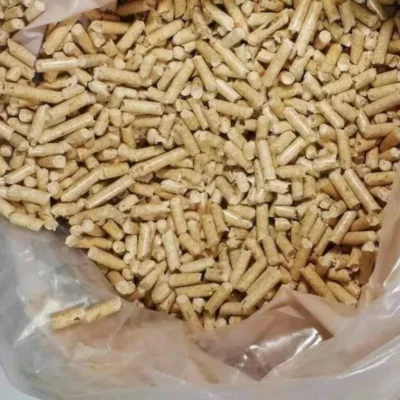
Table: Comparison of Wood Pellet Applications and Their Benefits
| Application | Primary Benefit | Best Pellet Type | Average Consumption | Cost Efficiency |
|---|---|---|---|---|
| Home Heating | Energy savings up to 50% | ENplus A1 | 3-8 tonnes/year | ★★★★★ |
| Poultry Bedding | Healthier birds, less odour | Low-dust varieties | 15-20kg/m² monthly | ★★★★☆ |
| Workshop Absorbent | Eco-friendly spill management | Standard grade | Variable as needed | ★★★★☆ |
| BBQ Cooking | Consistent heat, flavour infusion | Food-grade hardwood | 1-3kg per session | ★★★☆☆ |
| Garden Amendment | Improved soil structure | Untreated softwood | 100-200g/m² seasonally | ★★★★★ |
How Long Do Wood Pellets Last in Storage?
A frequent concern among new pellet users is shelf life. Properly stored in dry conditions with humidity below 10%, quality wood pellets maintain their properties for 6-12 months. Our guide on how long 20kg of wood pellets last explains optimal storage practices to preserve pellet integrity. Unlike liquid fuels that degrade over time, wood pellets remain stable when protected from moisture.
Safety Considerations When Using Wood Pellets
While wood pellets offer numerous benefits, proper handling ensures safety. Unlike raw firewood, quality pellets produce minimal smoke and particulate emissions when burned in appropriate equipment. Our research confirms that wood pellets are safe to use indoors when used according to manufacturer guidelines.
Carbon monoxide risks exist with any combustion process, making proper ventilation and detector installation essential. Always store pellets in well-ventilated areas away from ignition sources, and never burn pellets not specifically designed for heating applications.
Why Quality Matters: Certification Standards Explained
Not all wood pellets are created equal. Inferior products with high ash content or inconsistent sizing can damage equipment and reduce efficiency. The ENplus certification system provides consumers with guaranteed quality assurance. As explained in our detailed ENplus certification guide, this European standard verifies every aspect of production and distribution.
Our ENplus A1 certified pellets undergo rigorous testing to ensure they meet or exceed these standards. This commitment to quality translates to better performance, fewer equipment issues, and ultimately greater customer satisfaction.
Key Takeaways
- Wood pellets serve multiple purposes beyond heating, including animal bedding and spill management
- ENplus A1 certification guarantees consistent quality and performance
- Proper storage conditions preserve pellet quality for 6-12 months
- Quality pellets can reduce heating costs by up to 50% compared to gas
- Different applications require specific pellet types for optimal results
Frequently Asked Questions
What is the primary use of wood pellets? The primary use of wood pellets is as a renewable heating fuel for residential and commercial spaces. Their consistent size, low moisture content, and high energy density make them ideal for automated heating systems.
Can wood pellets be used for animal bedding? Yes, certain wood pellet varieties work well as animal bedding, particularly for poultry. When exposed to moisture, they expand into soft, absorbent material that controls odour effectively. We offer specialised wood shavings for poultry bedding with even better absorption properties.
How long do wood pellets last when used for heating? A 20kg bag of quality pellets typically lasts 10-40 hours depending on stove settings and home insulation. At medium heat output (1kg/hour consumption), you can expect approximately 20 hours of continuous heating from a standard bag.
Are wood pellets environmentally friendly? Wood pellets are considered carbon-neutral because they release only the CO2 that trees absorbed during growth. According to the UK Department for Business, Energy & Industrial Strategy, certified wood pellets produce 90% fewer emissions than fossil fuels.
Can I use wood pellets in my existing fireplace? Standard wood pellets require specialised pellet stoves or boilers with automated feeding systems. They cannot be used in conventional open fireplaces. However, wood briquettes work well in traditional fireplaces while offering similar efficiency benefits.
Why Choose Wood-Břežany for Your Wood Pellet Needs?
With over twenty years of experience in biomass production, our family business understands the nuanced requirements of different pellet applications. We source raw materials exclusively from certified European forests, ensuring sustainability throughout our supply chain.
Our commitment to quality extends beyond certification. Every batch undergoes rigorous testing before leaving our facility near Břežany. This attention to detail explains why customers across the UK, Germany, and Poland trust us for their diverse wood pellet needs.
Ready to experience the versatility of premium wood pellets? Order your ENplus A1 certified pellets online today with fast delivery across Europe.
References
- European Biomass Association. (2024). European Pellet Market Report. https://www.aebiom.org/
- UK Department for Business, Energy & Industrial Strategy. (2025). UK Energy in Brief. https://www.gov.uk/government/organisations/department-for-business-energy-and-industrial-strategy
- European Pellet Council. (2024). ENplus Certification Standards. https://epc.bioenergyeurope.org/enplus/
- Wood-Břežany s.r.o. (2025). Pellet vs Gas Heating Cost Comparison. https://woodbrezany.com/en/pellet-vs-gas-heating-cost-comparison/
- Office of Gas and Electricity Markets (Ofgem). (2025). Typical Domestic Consumption Values. https://www.ofgem.gov.uk/
- International Energy Agency. (2025). Renewable Energy Market Update. https://www.iea.org/
- Woodsure Certification Ltd. (2024). Biomass Fuel Quality Standards. https://woodsure.co.uk/