

 Čeština
 Deutsch
 Română
 Polski
 Italiano
 Español
 Nederlands
 Magyar
 Slovenčina
 Slovenščina
 Hrvatski
Wood Pellets Guide 2026: Types, Grades & Prices
Complete wood pellets guide for 2026 covering ENplus A1/A2 grades, current European prices (€250-400/ton), quality standards, storage tips, and buying advice for heating. Wood pellets are compressed biomass fuel made from sawdust and wood shavings. In 2026, the European market will reach €12.74 billion. We supply ENplus A1 certified pellets with ash content below 0.7%, moisture under 10%, and 98%+ mechanical durability.
Available grades include A1 (residential premium), A2 (commercial), and B (industrial). Prices range from €250 to €400 per ton across Europe. Buy certified wood pellets from sustainable sources for efficient home heating. Order online for delivery across the Czech Republic, Poland, Romania, Germany, and the UK.
The Ultimate Guide to Wood Pellets in 2026: Types, Grades, Prices & Buying Tips
Wood pellets have transformed European heating markets. We supply premium biomass fuel across Czech Republic, Poland, Romania, Germany, and the UK. The European wood pellet market reached €12.74 billion in 2026, growing from €12.01 billion in 2025. Global consumption surpassed 50 million metric tons in 2024, up 6.8% from the previous year.
You need reliable information before purchasing wood pellets. We specialise in delivering ENplus A1 certified products through our cumparati peleti de lemn online range. This guide explains everything you need to know about pellet types, quality grades, current pricing, and smart buying decisions for 2026.
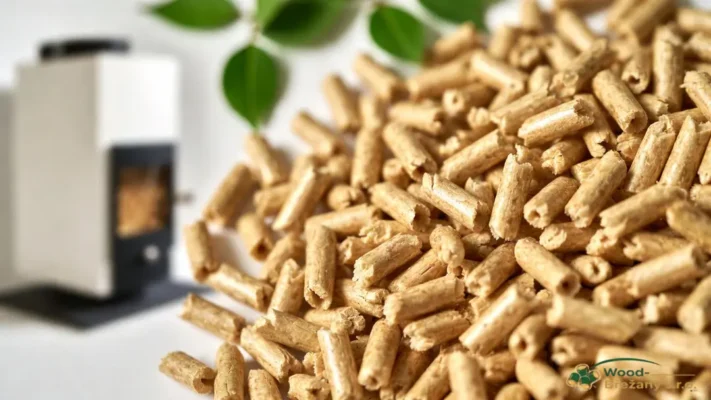
What Are Wood Pellets and How Do They Work?
Wood pellets are compressed sawdust and wood shavings bound together by natural lignin. These cylindrical fuel pieces measure 6mm to 8mm in diameter and burn efficiently in specialised heating systems. When you decide to buy wood pellets online, understanding quality certifications becomes essential. The European Pellet Council administers the ENplus certification scheme, which represents the gold standard for quality across Europe.
The pellets maintain extremely low moisture content below 10%. This allows them to burn cleanly while producing maximum heat output. Modern pellet burners introduce precise air amounts to ensure complete combustion. You get minimal smoke and maximum warmth from each kilogram burned.
What Types of Wood Pellets Can You Buy in 2026?
You can choose from three main types based on your heating requirements and budget. Each category serves specific applications and performance standards.
Residential premium pellets meet ENplus A1 certification. These pellets must contain less than 0.7% ash content when tested at 550 degrees Celsius, maintain moisture levels below 10%, and demonstrate mechanical durability exceeding 98%. We offer cumparati peleti de lemn en plus a1 for homeowners seeking optimal boiler performance. This premium quality ensures minimal maintenance requirements and maximum energy efficiency.
Commercial-grade pellets carry ENplus A2 certification. These allow slightly higher ash content up to 1.2% by mass while still meeting rigorous European standards. Medium-scale commercial heating facilities find these pellets acceptable where slightly higher ash production remains manageable. Our cumparati peleti de lemn a1 romania range includes both A1 and A2 options.
Industrial pellets fall under ENplus B classification with ash content up to 3%. Large boiler houses and combined heat and power plants use these where robust ash handling systems accommodate higher residue levels. Check our cumparati peleti industriali din selection for bulk industrial requirements.
Understanding ENplus Certification Grades for 2026
The ENplus certification system covers the entire supply chain from production through delivery. This comprehensive approach ensures consistent quality and complete traceability. You should verify certification on the official ENplus website by entering batch numbers from bags or invoices.
ENplus A2 allows slightly higher ash content (up to 1.2%), but still complies with European standard EN 14961-2. The certification includes production control, storage condition verification, and transportation monitoring. This guarantees pellets maintain quality at all stages.
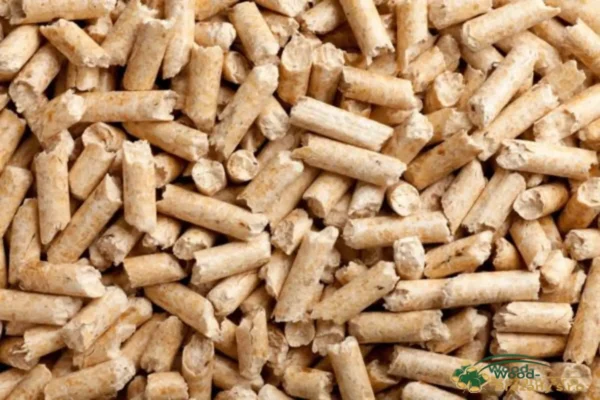
Which Wood Pellet Grade Should You Choose for Your Home?
Select ENplus A1 pellets for residential heating systems up to 100 kW capacity. The premium grade minimises ash accumulation and boiler maintenance. You clean your system every 1 to 2 weeks instead of every 3 to 5 days with lower-quality alternatives.
Industrial capacities over 500 kW benefit from ENplus A2 or B class options. These cost less while large boilers handle increased ash content effectively. Our cumparati biomase de lemn peleti products suit various capacity requirements.
Here’s a detailed comparison of the three main grades:
| Quality Grade | Ash Content | Moisture | Durability | Best Use | Price Range |
|---|---|---|---|---|---|
| ENplus A1 | ≤ 0.7% | < 10% | ≥ 98% | Residential heating, modern pellet stoves | €340-400/ton |
| ENplus A2 | ≤ 1.2% | < 10% | ≥ 97.5% | Commercial buildings, medium facilities | €290-350/ton |
| ENplus B | ≤ 3.0% | < 10% | ≥ 96.5% | Industrial boilers, district heating | €250-300/ton |
How Much Do Wood Pellets Cost in Europe for 2026?
European pellet prices range from €250 to €400 per ton depending on quality grade and location. For residential consumers purchasing bagged pellets, typical 2025 pricing ranges from 250 to 400 EUR per ton, depending on quality grade, certification level, and delivery location. Premium ENplus A1 certified pellets command higher prices reflecting superior quality and certification costs.
The average price for wood pellets across Germany in April 2025 was €343.14 per ton (based on a purchase of six tons). Prices fluctuate based on seasonal demand, production capacity, and transportation distances. Purchase during summer months typically yields better pricing than peak heating season.
Where Can You Find the Best Wood Pellet Prices?
Buy wood pellets in bulk before heating season for maximum savings. Most homes consume 2 to 4 tons annually for primary heating. Purchasing full pallets (50 bags of 40 pounds each) reduces per-unit costs significantly compared to individual bag purchases.
We supply competitive pricing through our cumparati peleti din lemn din inventory. Delivery fees range from €50 to €120 per ton depending on distance and accessibility. Curbside delivery comes standard while indoor placement may incur additional charges.
The European wood pellet market is projected to surpass USD 13.29 billion in 2026, indicating strong demand and stable supply chains. Europe is estimated to contribute 58.3% to the growth of the global market during the forecast period.
What Storage Methods Work Best for Wood Pellets?
Store wood pellets in clean, dry, airtight plastic containers away from moisture sources. Wood pellets are hygroscopic, meaning they absorb moisture from the air. Once pellets reach about 10% moisture content, they begin to swell, crumble, and lose their heating value. Proper storage protects your investment and ensures consistent heating performance.
Indoor storage remains the safest option. Use heavy-duty plastic storage bins with airtight lids in utility rooms, basements, or garages. Keep containers elevated on pallets away from walls to prevent ground moisture absorption. A year’s supply requires only about 4 square metres of floor space.
Outdoor storage presents several risks including rain exposure and temperature fluctuations. If outdoor storage becomes necessary, use waterproof containers with tight-fitting lids. Never place bags directly on concrete floors which draw moisture from the earth.
How Long Do Wood Pellets Last in Storage?
Under ideal conditions, wood pellets maintain quality for 6 to 12 months. Storage environments significantly affect longevity. Spaces with humidity below 10% allow pellets to last up to 6 months. However, humidity exceeding 10% reduces usable life to just 1 to 3 months.
Test pellet freshness by breaking one in half. Fresh pellets snap cleanly and appear shiny. Damp pellets feel soft, crumble easily, and may show discolouration or musty odours. Remove affected pellets immediately and adjust storage conditions. Visit our despre noi page to learn about our quality control processes.
Why Choose ENplus A1 Certified Pellets Over Standard Options?
ENplus A1 certification guarantees superior combustion behaviour and minimal emissions. According to research published by Biomass Conversion and Biorefinery, ENplus A1 certified pellets demonstrate superior combustion behavior in residential heating systems, producing minimal ash residue (less than 0.7% by mass). You get predictable performance from batch to batch.
The certification delivers tangible benefits including lower maintenance costs, longer boiler life, less frequent cleaning, and minimal equipment malfunction risks. Complete combustion produces minimal emissions, making certified wood pellets an environmentally responsible heating choice. Browse our magazin for certified options.
How Do You Verify Authentic ENplus Certification?
Check the official ENplus website using the producer’s identification number found on bags. The absence of the progressive number that identifies the producer or distributor (from 001 to 299 if a producer, from 301 to 999 if a distributor) next to the country’s code is one of the most conspicuous marks of counterfeiting. Legitimate bags display quality class (A1 or A2), producer name, and usage instructions.
Avoid counterfeit products by purchasing from verified suppliers. We maintain complete transparency through our certified supply chain. Contact us through our contactati wood brezany s.r.o. page for certification documentation.
What Makes 2026 Different for Wood Pellet Buyers?
Regulatory mandates and decarbonisation targets drive market growth in 2026. The EU Renewable Energy Directive mandates renewable heating adoption across member states. Gas prices in Europe stayed elevated through 2024, making wood pellets a cost-competitive option for space heating in single-family homes and small businesses.
Energy independence gained prominence following geopolitical disruptions affecting fossil fuel supplies. Wood pellets produced from local or regional forest resources reduce dependence on imported energy. Several European markets including Czech Republic, Poland, and Slovakia accelerated pellet adoption for energy security.
Where Should You Buy Wood Pellets in 2026?
Purchase from certified suppliers offering complete traceability and quality guarantees. We specialise in delivering premium cumparati peleti de lemn romania products across multiple European markets. Our comprehensive range includes biomass wood pellets, industrial-grade solutions, and residential heating pellets meeting strict European standards.
Verify supplier credentials before committing to large purchases. Request certification documents, check online reviews, and confirm delivery terms. Our intrebari frecvente section addresses common buyer concerns.
Key Takeaways
Wood pellet heating offers sustainable, cost-effective alternatives to traditional fossil fuels. You need ENplus A1 certified pellets for residential systems to ensure optimal performance and minimal maintenance. Current European prices range from €250 to €400 per ton depending on quality grade and location.
Store pellets in airtight containers away from moisture to maintain quality for 6 to 12 months. Purchase in bulk before heating season for significant savings. Verify certification authenticity through official ENplus channels to avoid counterfeit products.
The European market continues growing with industrial and utility users held 53.9% of the European wood pellet market share in 2025 and are set to grow at an 8.5% CAGR between 2026 and 2031. You invest in reliable heating while supporting environmental conservation through certified sustainable forestry practices.
How many wood pellets do you need to heat a home for one winter?
Most European homes require 2 to 3 tons of wood pellets annually for primary heating. A typical household consuming 15,000 to 20,000 kilowatt-hours of heating energy needs approximately 100 to 150 bags of 40-pound pellets. Calculate your specific needs based on home size, insulation quality, and local climate conditions.
Can you mix different wood pellet grades in your heating system?
No, you should not mix ENplus A1 with A2 or B grade pellets. When traders combine pellets from different quality classes, the resulting classification becomes the lowest grade between combined batches. Mixing grades creates inconsistent combustion, unpredictable ash accumulation, and potential equipment damage.
What happens if wood pellets get wet during storage?
Wet pellets swell, crumble, and become unusable for heating. Moisture above 10% prevents proper combustion, causes equipment jams, and dramatically reduces heat output. Damp pellets produce excessive smoke, create maintenance problems, and may damage your heating system. Always store pellets in airtight containers away from moisture sources.
How do wood pellet prices compare to natural gas for heating in 2026?
Wood pellets provide savings of 20% to 40% compared to oil heating and 10% to 30% compared to natural gas, depending on local fuel prices. These savings accumulate substantially over heating system lifespans of 15 to 20 years. Initial investment costs for pellet systems remain higher but government incentive programmes across European countries reduce net expenses.
Are wood pellets truly sustainable and carbon neutral?
Yes, when sourced from sustainably managed forests certified under FSC or PEFC schemes. Responsible forestry ensures harvest rates do not exceed regrowth, maintaining forest carbon stocks while providing renewable energy. Wood pellets capture carbon dioxide through photosynthesis during tree growth, releasing similar amounts during combustion. This creates a near-carbon-neutral cycle.
Where can you verify ENplus certification authenticity online?
Visit the official ENplus website and enter the producer’s identification number found on your pellet bags. This unique code (001 to 299 for producers, 301 to 999 for distributors) appears next to the country code. The database confirms current certification status, production facilities, and quality class authorisation.
What ash content should you expect from premium wood pellets?
ENplus A1 premium pellets produce less than 0.7% ash content by mass when combusted at 550 degrees Celsius. This means burning 5 tons of A1 pellets creates only 35 kilograms of ash annually. Lower-quality pellets with 2% to 3% ash content generate 100 to 150 kilograms, requiring significantly more frequent boiler cleaning.